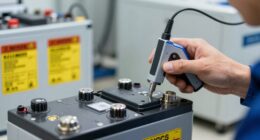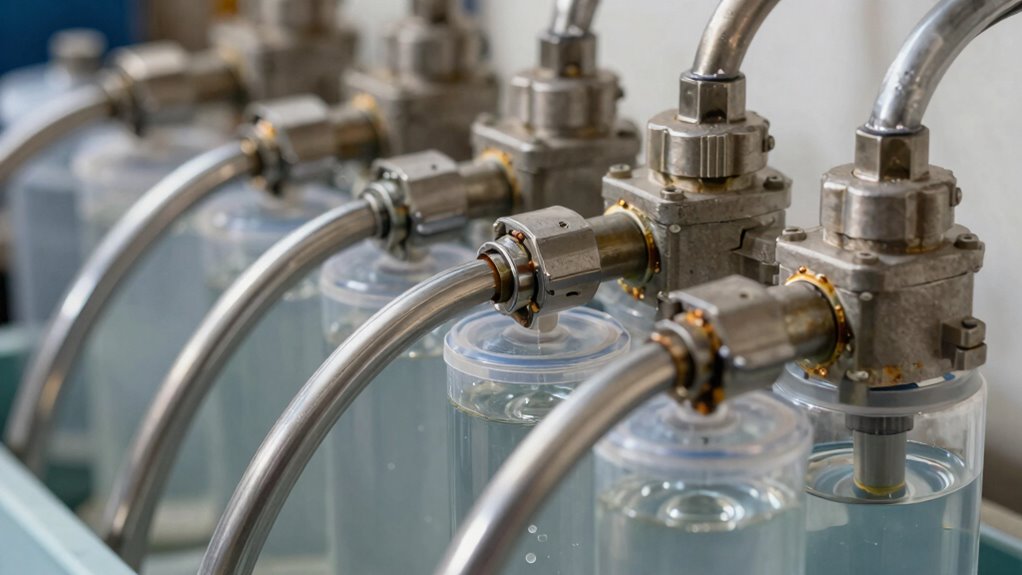

The biggest mistake that ruins battery cells is neglecting proper watering protocols. Overfilling or underfilling can cause damage—overfilling leads to electrolyte spillage, while underfilling exposes plates to air, causing sulfation. Using incompatible water or skipping regular checks accelerates degradation. Following manufacturer guidelines and maintaining correct water levels guarantees peak performance and long life. If you want to avoid costly mistakes, understanding these key procedures can make all the difference.

Get backup power and energy gear delivered free with Prime
- Fast, free delivery on millions of items
- Prime Video, Amazon Music and more included
- Member-only deals all year
Key Takeaways
- Overfilling batteries causes electrolyte spillage, leading to damage and reduced cell lifespan.
- Using incompatible or contaminated water accelerates corrosion and chemical reactions that harm cells.
- Neglecting regular water level checks results in exposed plates and sulfation, degrading battery health.
- Ignoring manufacturer guidelines on watering frequency and volume increases the risk of cell failure.
- Failing to maintain proper water quality leads to irreversible internal damage and decreased performance.
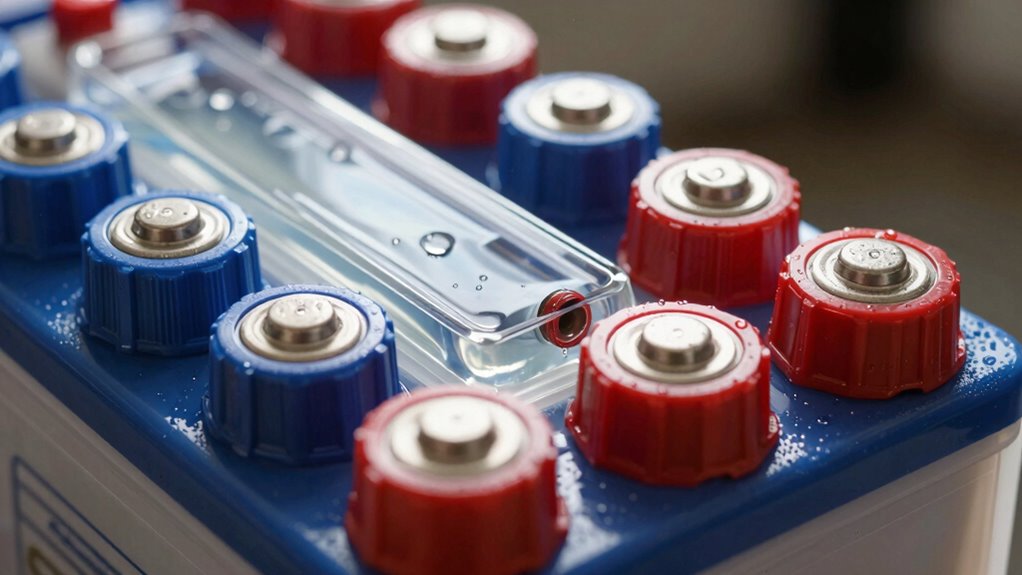
Have you ever wondered how to simplify maintaining your batteries and guarantee they stay in top condition? One of the most critical aspects often overlooked is proper watering, which directly impacts your batteries’ lifespan and performance. Implementing effective battery watering systems can make this task easier, but it’s essential to follow the right procedures. The biggest mistake you can make is neglecting the correct maintenance protocols, especially when it comes to chemical compatibility. Watering systems are designed to simplify the process, but if you don’t pay attention to the specifics, you risk damaging your cells.
Proper watering and chemical compatibility are key to maintaining battery health and longevity.
First, understand that maintenance protocols are vital to ensure your batteries function optimally. Regularly checking water levels, cleaning terminals, and confirming the integrity of watering systems helps prevent issues like sulfation or corrosion. Automatic watering systems are a great investment because they control water addition precisely, reducing human error. However, even with these systems, you need to verify that the water used is compatible with your battery’s chemical makeup. Using water that isn’t chemically compatible can lead to serious problems, such as precipitating unwanted reactions inside the cells or damaging the plates. Always opt for distilled or deionized water to avoid introducing contaminants that could compromise your battery’s chemistry.
Chemical compatibility is a crucial factor when selecting water for your batteries. If you use water with impurities or incorrect composition, it can alter the electrochemical balance inside the cells. This imbalance might cause reduced capacity, increased sulfation, or even permanent damage. To avoid this, make it a routine to test water quality and ensure it meets manufacturer specifications. Many maintenance protocols recommend monitoring water pH and conductivity regularly. This way, you catch any deviations early and prevent long-term issues. Remember, the goal is to maintain the optimal chemical environment inside your batteries, which directly correlates to their longevity and performance.
Additionally, adhering to proper maintenance protocols means scheduling regular inspections and following manufacturer guidelines for watering. This includes not overfilling or underfilling the cells, both of which can cause damage. Overfilling can lead to electrolyte spillage, while underfilling exposes plates to air, accelerating degradation. Proper battery maintenance and attention to detail can significantly extend the life of your cells. By understanding and respecting the importance of chemical compatibility, you protect your investment and ensure your batteries deliver reliable power over their lifespan. It’s a simple, effective way to avoid costly repairs or replacements caused by avoidable mistakes. Ultimately, consistent attention to these details helps you keep your batteries in prime condition, saving you time, money, and headaches down the line.
automatic battery watering system
As an affiliate, we earn on qualifying purchases.
As an affiliate, we earn on qualifying purchases.
Frequently Asked Questions
How Often Should I Check My Battery Water Levels?
You should check your battery water levels at least once a month, following your maintenance schedule. Use water level indicators to verify the electrolyte covers the plates properly, preventing damage. During colder months or heavy usage, check more frequently. Always top off with distilled water, avoiding overfilling. Regular inspections help maintain battery health, extend lifespan, and prevent costly failures caused by neglecting water levels.
Can I Use Distilled Water in All Types of Batteries?
Yes, you can generally use distilled water in all types of batteries, but it’s important to evaluate battery chemistry and water purity. Distilled water is free of contaminants that could harm the cells, making it suitable for most batteries, like lead-acid or AGM types. However, always check your manufacturer’s specifications, as some batteries might require specialized electrolyte solutions. Using pure, distilled water helps maintain peak performance and prolongs battery life.
What Are the Signs of Overwatering or Underwatering?
You’ll notice signs of overwatering or underwatering through electrolyte imbalance, which can cause the battery to lose its proper charge. Overwatering leads to spilling electrolyte, increasing corrosion on terminals and plates, while underwatering causes the electrolyte to become too concentrated, reducing efficiency. Both issues can accelerate battery corrosion and decrease lifespan. Keep an eye on fluid levels, and maintain consistent watering to prevent these problems and keep your battery running smoothly.
Are There Safety Precautions for Handling Battery Acid?
Handling battery acid is like walking a tightrope—you must stay alert. Always wear proper safety gear, including gloves and goggles, to prevent contact. Work in a well-ventilated area and keep a neutralizing agent nearby, like baking soda, for spills. Follow handling precautions strictly, avoid sparks or open flames, and never tilt the battery. Your safety depends on respecting the corrosive nature of battery acid and taking proper precautions.
How Does Temperature Affect Battery Water Consumption?
Temperature fluctuations substantially impact your battery’s water consumption. When temperatures rise, water evaporation speeds up, causing your cells to lose more water and require frequent refilling. Conversely, colder temperatures slow evaporation but can reduce battery performance. To keep your cells healthy, monitor temperature changes closely and adjust watering schedules accordingly. Staying vigilant helps prevent damage caused by improper water levels, ensuring your battery operates efficiently and lasts longer.
Conclusion
So, next time you’re tempted to overlook that one tiny mistake in your battery watering routine, remember: a little neglect can turn your cells into scrap. Skip the proper maintenance, and you’ll soon find yourself begging for a miracle—or a new battery. Don’t let a simple oversight ruin your day (and wallet). After all, who knew that watering your batteries wrong could be the blockbuster villain in your energy story? Stay vigilant, or face the fiery consequence!
Halloween Picks
halloween
As an affiliate, we earn on qualifying purchases.