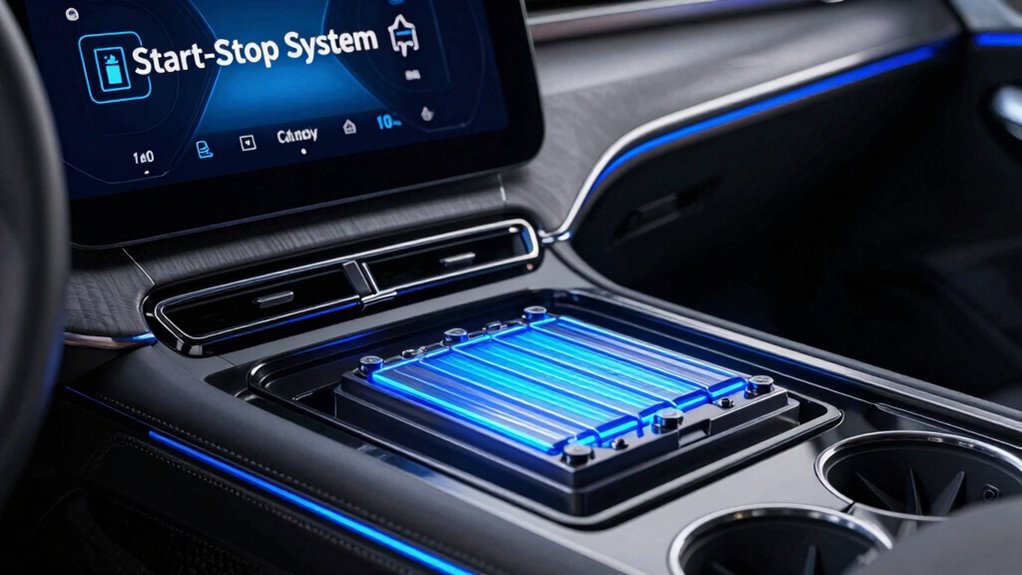

Start-stop systems change your battery expectations because they cause frequent cycling as the engine turns off and on at stops. This puts more stress on your battery, leading to faster discharges and recharges than traditional setups. Standard batteries might not handle this wear well, so you’ll need higher quality or AGM batteries designed for repeated use. Proper maintenance and monitoring are essential to keep your system reliable. If you want to understand how to meet these new demands, keep exploring further.

Get backup power and energy gear delivered free with Prime
- Fast, free delivery on millions of items
- Prime Video, Amazon Music and more included
- Member-only deals all year
Key Takeaways
- Start-stop systems cause frequent engine restarts, increasing battery cycling and wear.
- They demand higher-quality, AGM, or enhanced batteries capable of handling rapid charge and discharge cycles.
- Regular maintenance is essential to prevent premature battery failure due to increased stress.
- Battery health directly affects the start-stop system’s reliability and overall vehicle electrical performance.
- Advanced battery management systems optimize charging and extend battery lifespan under start-stop conditions.
Start-stop systems are increasingly common in modern vehicles, designed to improve fuel efficiency and reduce emissions. These systems automatically turn off the engine when you come to a stop and restart it when you press the accelerator, helping you save fuel and lower your vehicle’s carbon footprint. But their presence also impacts your vehicle’s battery, shifting what you might expect regarding battery longevity and system efficiency.
Because start-stop systems cycle your battery more frequently than traditional ignition setups, the type and quality of your battery become more critical. Standard batteries may not be built to handle the repeated, rapid discharges and recharges that these systems demand. As a result, many automakers recommend using enhanced or AGM (absorbed glass mat) batteries designed specifically for start-stop technology. These batteries are engineered to withstand frequent cycling and maintain performance over time, which directly influences system efficiency by ensuring reliable engine restarts and consistent operation.
Your battery’s longevity is now more closely tied to the quality of the battery you choose and how well you maintain it. Frequent stops mean your battery undergoes more stress, so neglecting regular maintenance—like checking terminals for corrosion or ensuring proper charging—can lead to premature failure. Properly maintained batteries prolong system efficiency by reducing instances of slow or failed starts, which can otherwise compromise your vehicle’s operation and fuel economy. Additionally, battery diagnostics can help identify potential issues before they result in failure. Understanding battery technology and how it adapts to start-stop demands can also help you make informed choices about replacements and upgrades. Staying aware of the electrical system and its requirements is essential for optimal performance.
In addition, the vehicle’s electrical system relies heavily on the battery to support its start-stop functions. When the battery isn’t up to par, the system may struggle, leading to increased wear on other components such as starters or alternators. This can create a cycle where system efficiency drops, and your vehicle’s overall performance suffers. Recognizing these changes, manufacturers often incorporate more robust batteries and sophisticated management systems that monitor battery health and optimize charging cycles, therefore extending battery life and maintaining system efficiency. Battery management systems play a crucial role in adapting to the demands of start-stop technology. Proper awareness and attention to battery maintenance can significantly impact your vehicle’s reliability and longevity in the context of start-stop systems.
AGM car batteries for start-stop systems
As an affiliate, we earn on qualifying purchases.
As an affiliate, we earn on qualifying purchases.
Frequently Asked Questions
How Long Do Batteries Last With Start-Stop Systems?
With start-stop systems, your batteries typically last around 3 to 5 years, depending on driving habits and maintenance. Because these systems increase charging cycles, batteries may wear out faster than traditional ones. To extend their lifespan, consider proper battery recycling practices and guarantee regular checks. Proper maintenance, like keeping terminals clean and ensuring the battery is well-charged, helps optimize performance and prevents premature failure.
Are There Specific Batteries Designed for Start-Stop Technology?
You’re right to wonder if there are batteries specifically designed for start-stop technology. The truth is, yes, these batteries are built with eco-friendly materials and improved durability. They’re engineered to handle frequent cycling, reducing the need for battery recycling and environmental impact. Investing in a start-stop-compatible battery guarantees your system runs smoothly, saves energy, and aligns with eco-conscious practices, making your vehicle more efficient and environmentally friendly.
How Does Climate Affect Battery Performance in Start-Stop Vehicles?
Climate impact considerably affects battery performance in your start-stop vehicle. Cold weather reduces battery resilience, making it harder to start the engine and decreasing overall efficiency. Conversely, hot climates can accelerate battery wear and cause faster capacity loss. To maintain ideal performance, you should regularly check your battery’s condition, especially in extreme climates, and consider using batteries designed to withstand harsh environmental conditions for better durability and reliability.
Can Existing Batteries Be Upgraded for Start-Stop Systems?
Yes, you can upgrade existing batteries for start-stop systems by choosing advanced AGM or EFB batteries designed for such technology. Upgrading involves considering battery recycling options to dispose of old units responsibly. Additionally, improved charging technology ensures your upgraded battery performs effectively, especially during frequent stops. This process boosts efficiency and longevity, helping you meet start-stop system demands while supporting sustainable practices.
What Maintenance Is Required for Batteries in Start-Stop Vehicles?
You need to regularly check your battery’s health, guarantee proper charging protocols, and stay on top of battery recycling. Start-stop systems demand more from your battery, so it’s essential to maintain clean terminals and monitor charge levels. Proper maintenance prevents premature failure, supports efficient recycling, and extends your battery’s lifespan. By following these steps, you keep your start-stop system running smoothly and contribute to environmentally responsible practices.
Conclusion
As you embrace start-stop systems, you might think they ease your battery worries, but they actually raise the stakes. While your car saves fuel and reduces emissions, it demands more from your battery’s resilience and longevity. The convenience of quick shutdowns contrasts sharply with the increased stress on your battery’s core. So, as you navigate this balance, remember: innovation brings benefits, yet it also reshapes your expectations—challenging what you once believed your car’s battery could endure.
Halloween Picks
halloween
As an affiliate, we earn on qualifying purchases.