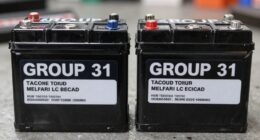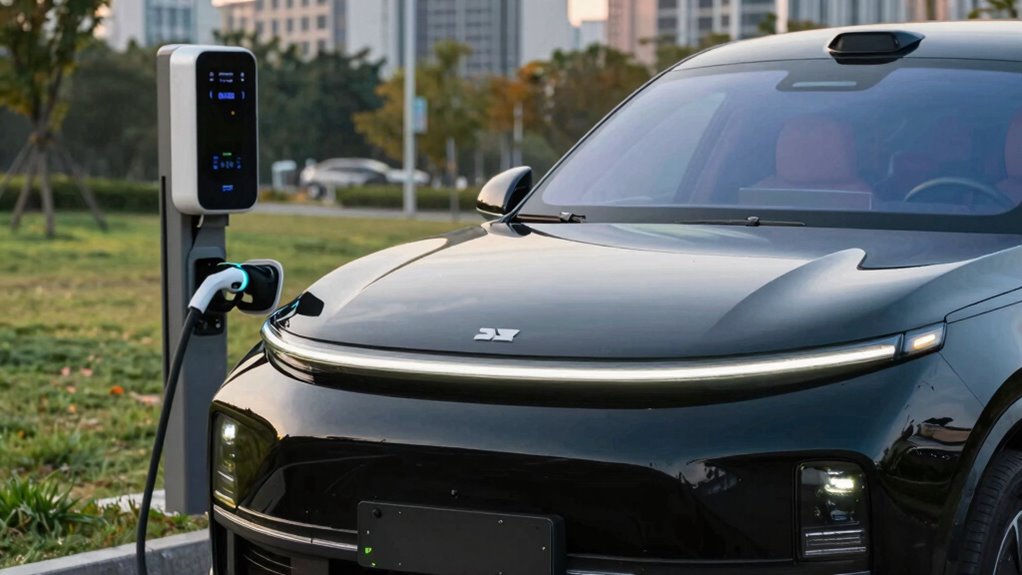
In start-stop vehicles, the critical factor isn’t the brand but the battery type and condition. You need a high-quality AGM or EFB battery designed to handle frequent starts and stops. Regular maintenance and proper inspection are key to ensuring reliability and prolonging battery life. Using the right battery technology helps your system operate smoothly and reduces unexpected failures. Want to discover how choosing the right battery can boost your vehicle’s performance? Keep going to find out more.
Key Takeaways
- The quality and type of battery (AGM or EFB) are more critical than brand for start-stop system performance.
- Proper batteries designed for start-stop technology handle frequent cycling, ensuring system reliability.
- Regular maintenance and compatibility are essential for battery longevity, regardless of brand.
- A suitable, high-quality battery reduces wear, prevents failures, and supports energy efficiency.
- Brand alone doesn’t guarantee performance; choosing the right battery type for start-stop is key.
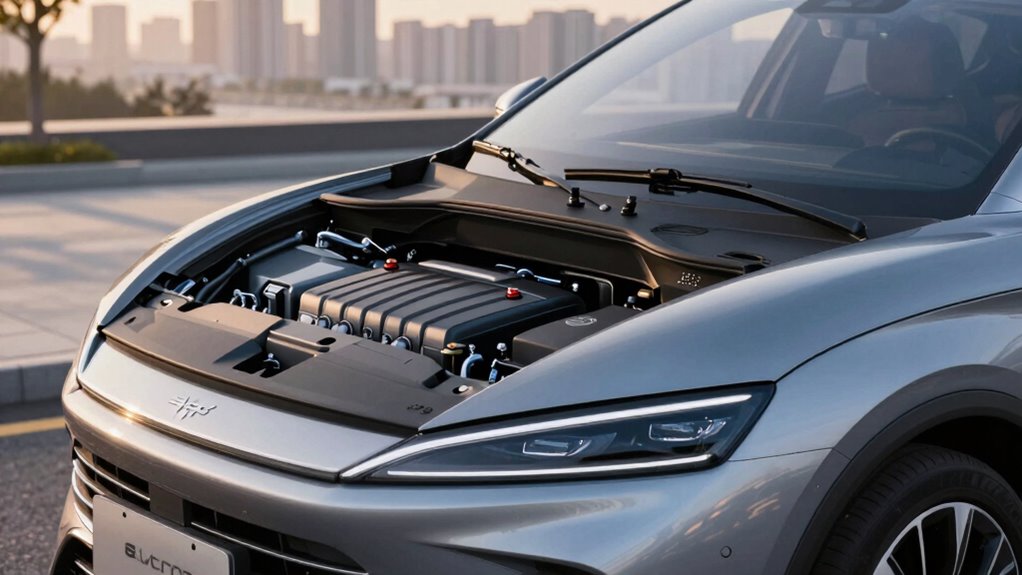
Start-stop vehicles are designed to automatically turn off their engines when idling and restart them when needed, helping you save fuel and reduce emissions. This feature is becoming increasingly common in modern cars, especially as automakers focus on improving energy efficiency. However, while the technology offers clear environmental and economic benefits, it also places additional demands on your vehicle’s battery. Understanding how start-stop systems impact battery longevity is essential when choosing a car equipped with this feature, regardless of the brand.
The primary goal of start-stop technology is to optimize energy efficiency. When your vehicle stops at traffic lights, in traffic jams, or parked with the engine running, the system cuts power to the engine, conserving fuel. When you press the accelerator or release the brake, the engine restarts seamlessly. This process reduces unnecessary fuel consumption and minimizes emissions, making your driving more eco-friendly. But this efficiency comes at a cost: your battery faces more frequent and rapid cycling, which can accelerate wear if it’s not designed to handle the demands.
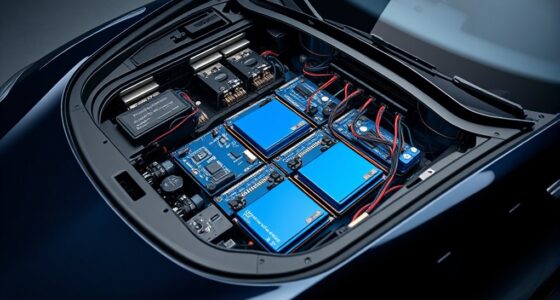
To guarantee your battery maintains its performance and longevity, manufacturers now equip start-stop vehicles with advanced AGM (Absorbent Glass Mat) or EFB (Enhanced Flooded Battery) batteries. These batteries are built to withstand the repeated starting and stopping cycles without degrading prematurely. If your vehicle’s battery isn’t designed for start-stop technology, you’ll likely see a faster decline in battery health, leading to more frequent replacements and potential breakdowns. That’s why, when shopping for a start-stop vehicle, paying attention to the battery type is just as important as considering the vehicle’s brand or features.
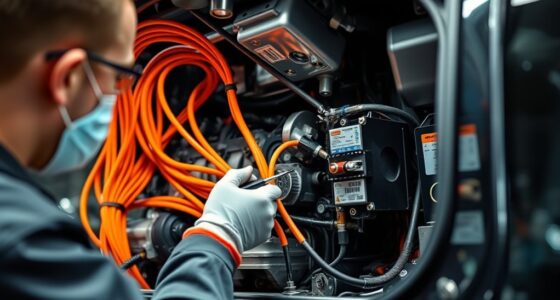
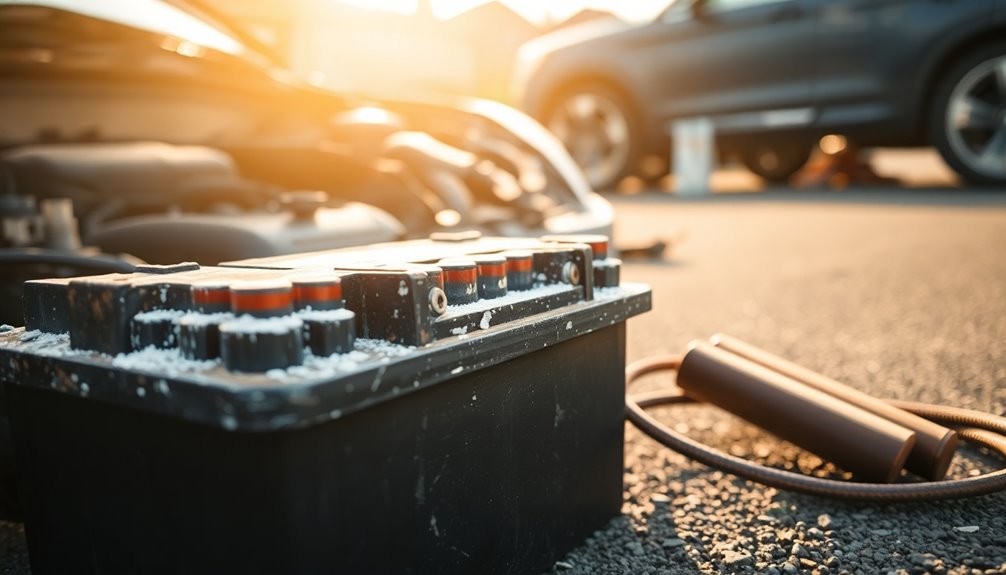
Additionally, proper maintenance plays a critical role in preserving battery longevity. Regular inspections, keeping your battery terminals clean, and ensuring your vehicle’s electrical system is in good shape can extend the life of your start-stop system’s power source. If you notice signs like difficulty starting or dimming lights, it might be time to have your battery checked or replaced. Investing in a high-quality, compatible battery can make a significant difference in how well your vehicle handles the demands of start-stop operation. Properly designed batteries, such as AGM and EFB types, are specifically engineered to endure the high cycling demands of start-stop systems, improving overall durability.
Frequently Asked Questions
How Long Do Start-Stop Batteries Typically Last?
Start-stop batteries usually last around 3 to 5 years, depending on your driving habits and maintenance. You can improve their lifespan by practicing proper battery recycling and ensuring your vehicle’s electrical system is in good shape. These batteries boost fuel efficiency, but they face more wear from frequent stops. Regular checks help prevent unexpected failures, so you get the most out of your start-stop system and extend your battery’s life.
Are There Maintenance Differences for Start-Stop Batteries?
Maintenance for start-stop batteries differs from traditional ones, requiring you to stay vigilant with regular checks. Unlike standard batteries, you should monitor charging compatibility and consider proper battery recycling practices to extend lifespan. Keep in mind, these batteries often need specialized charging and recycling procedures to guarantee peak performance. By staying proactive with maintenance, you’ll enjoy better reliability and longevity, even as the technology evolves beyond conventional expectations.
Can Existing Batteries Be Upgraded to Start-Stop Systems?
You can’t upgrade existing batteries to fully support start-stop systems, as they require advanced AGM or EFB batteries designed for frequent cycling. Instead, you’ll need to replace your battery with a compatible one. When choosing, consider the cost comparison and proper battery recycling options. Upgrading isn’t feasible, but investing in the right battery guarantees reliable start-stop performance and longevity, saving you money and environmental waste in the long run.
Do Start-Stop Batteries Impact Overall Vehicle Lifespan?
Think of start-stop batteries as the heartbeat of your vehicle—yes, they can impact lifespan. While they’re designed for durability, frequent cycling might accelerate wear, affecting battery recycling efforts and potentially increasing cost implications over time. You could see reduced longevity if the system isn’t properly maintained. To keep your vehicle running smoothly, consider regular checks and choose quality batteries, ensuring your start-stop system benefits without compromising overall lifespan.
Are Start-Stop Batteries More Environmentally Friendly?
Yes, start-stop batteries are more environmentally friendly because they reduce emissions and fuel consumption. However, you should consider recycling challenges, as these batteries contain materials that need proper disposal. Also, the cost implications can be higher initially, but the long-term environmental benefits outweigh these costs. By choosing vehicles with start-stop technology, you contribute to a greener future while understanding the importance of responsible recycling and managing expenses.
Conclusion
Don’t overlook the battery’s role in start-stop vehicles—you might think brand matters most, but the key is a high-quality, durable battery that handles frequent restarts. Some worry about increased wear, but modern batteries and technology minimize this concern. Prioritize the right battery to guarantee your vehicle runs smoothly and saves fuel. After all, a reliable battery makes all the difference, so focus on that feature—you’ll enjoy better performance and longevity, no matter the brand.