TL;DR

Get backup power and energy gear delivered free with Prime
- Fast, free delivery on millions of items
- Prime Video, Amazon Music and more included
- Member-only deals all year
Apple Home’s Energy section can display live power use and historical consumption for compatible Matter accessories that report energy data. The feature depends on supported hardware; Grid Forecast and whole-home utility data have separate location and provider limits.
Apple Home can display live power draw and historical energy-use data for compatible Matter accessories, according to a setup guide published by Matter Alpha. The tools give users a way to inspect consumption from supported smart-home devices, but they do not automatically monitor every Matter product or provide whole-home utility data everywhere.
To see live readings, users first need to add an energy-monitoring-capable Matter accessory to Apple Home. In the app, tap Energy or Grid Forecast, then tap Power. The Power screen lists compatible devices; when one is drawing power, its current consumption appears beneath its name. A live combined reading for the listed devices appears on the Energy screen’s Power button.
Historical readings are in the Energy section as well, although the guide says they may take a few moments to appear. Tap Usages, open the device menu and select a device to see consumption totals and averages in a graph. The available views span day, week, month, six months and year. The app can also mark periods as “Cleaner” or “Less Clean” based on local grid conditions.
Matter Alpha names the Inovelli White Series Smart Dimmer Switch, Aqara Thermostat Hub W200 and Eve Energy In-Wall Outlet as examples of devices it has seen working with Apple Home’s monitoring. The list is not presented as a complete compatibility catalogue. A Matter device needs energy-monitoring capabilities; Matter support alone does not establish that it will provide consumption readings.
Where Home Energy Readings Help
Device-level readings can help users identify which monitored appliances or accessories are drawing power, and historical charts can make changes in usage easier to spot over time. That information may help households decide whether to change routines or investigate a device that appears to use more electricity than expected. The app reports consumption; it does not, on the information provided, promise savings or calculate a guaranteed reduction in a bill.
Apple’s other Energy tools address different needs. Grid Forecast indicates when local electricity is expected to be cleaner or less clean, while utility-account linking can show whole-home consumption rather than only readings from connected smart accessories. The distinction matters: device monitoring is limited to compatible hardware, and the other tools have their own geographic and provider restrictions.
Products Worth Considering

LG UltraGear 34GX90SA-W 34-inch WQHD Curved OLED Gaming Monitor

Apple MacBook Air 15-inch with M5 chip, 16GB memory, 512GB SSD, and Liquid Retina display (Midnight)
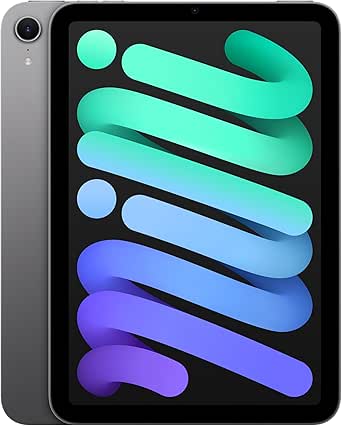
Apple iPad mini (A17 Pro), 128GB, Wi-Fi 6E, Space Gray
As an affiliate, we earn on qualifying purchases.
Three Routes to Energy Data
Matter Alpha says Apple introduced Home energy features in iOS 27. Its guide describes three forms of information: live readings and usage history from compatible accessories, Grid Forecast information tied to local grid conditions, and data supplied through a linked electricity provider account. These are separate capabilities rather than one universal measurement system.
For Grid Forecast, the guide says availability covers homes in the contiguous United States, excluding Alaska and Hawaii. Users must enable Location Services for both the Home app and Home Service in the relevant Apple device settings. To switch it on, the guide directs users to Home, the more-options menu, Home Settings, Energy, and the Show Grid Forecast toggle. A Grid Forecast button then appears in the app; users can tap its bell icon and choose Notify Me for clean-energy notifications.
Utility linking is narrower still: Matter Alpha says Apple Home’s integration is limited to Pacific Gas and Electric and Southern California Edison in the United States. To connect an eligible account, users go through Home Settings and Energy, choose Connect Account and follow the prompts. Once linked, the app can display provider data covering the home’s total electricity use, including devices that are not smart accessories.
““real-time usage tracking, historical logs, utility provider integration, and the location-based Grid Forecast feature””
— Matter Alpha
Compatibility and Coverage Limits
The guide does not provide a complete list of supported accessories, explain how often readings update, or specify whether every compatible device supplies the same detail. Users may need to check a product’s specifications or Apple’s current compatibility information before relying on it. The source also does not establish that the feature is available on every Apple device or software version, beyond its statement that energy features were introduced in iOS 27.
Grid Forecast coverage and utility integration are limited as described by Matter Alpha, and availability may depend on location and provider. The guide does not say when additional utilities or regions might be supported. It also does not quantify potential bill savings or emissions reductions; those outcomes depend on household use, local grid conditions and, for electricity costs, a plan that charges different rates at different times.
Check Device and Account Support
Users who want device readings can add a compatible accessory, then check the Home app’s Energy or Grid Forecast area and open Power. To review past consumption, they can wait for Usages to appear and select a device from the menu. If Grid Forecast is missing, the guide advises checking the feature toggle and Location Services settings. Those seeking whole-home readings should confirm that their utility is supported before trying to link an account.
Further availability details remain dependent on Apple’s support and utility coverage; Matter Alpha’s guide gives no timetable for additional providers or regions. Readers should verify current software requirements, accessory compatibility and account support in Apple Home before treating the readings as a complete view of household electricity use.
Key Questions
Does every Matter device show its energy use in Apple Home?
No. According to Matter Alpha, the accessory must have energy-monitoring capabilities as well as Matter support. The guide lists several examples it has seen working, but does not give a complete compatibility list.
Where can I find live power readings?
Open Apple Home, tap Energy or Grid Forecast, then tap Power. Compatible devices appear in a list, with current consumption shown beneath a device name when it is drawing power.
How do I view historical usage?
In the Energy area, wait for Usages to appear, tap it, open the device menu and select a device. Matter Alpha says charts can show data by day, week, month, six months or year.
Can Apple Home show total household electricity use?
The guide says users can link an eligible utility account for whole-home data, but reports support for Pacific Gas and Electric and Southern California Edison in the United States. This is separate from readings supplied by individual smart accessories.
Where is Grid Forecast available?
Matter Alpha says Grid Forecast is available in the contiguous United States, excluding Alaska and Hawaii, and requires Location Services for the Home app and Home Service. The guide does not give a timetable for wider coverage.
Source: matteralpha.com