
LFP batteries offer top safety with a stable chemistry that makes them less prone to fires or overheating. They also deliver impressive cycle life, often exceeding 2,000 charges, which means fewer replacements and lower long-term costs. Plus, they are more affordable over time thanks to their durability and safety features. If you’re curious about how these benefits impact their use and future, stay with us to find out more about their potential.
Key Takeaways
- LFP batteries offer enhanced safety due to their stable chemistry, reducing risks of thermal runaway and fires.
- They have a high cycle life, often exceeding 2,000 charge-discharge cycles, ensuring longer-lasting performance.
- LFP chemistry is less costly and involves fewer complex materials, lowering overall battery costs.
- Their durability reduces replacement and maintenance expenses over the battery’s lifespan.
- Although initial costs may be higher, long-term savings and safety advantages make LFP batteries economically attractive.
Are lithium iron phosphate (LFP) batteries the future of energy storage? If you’re considering options for reliable, long-lasting power sources, understanding their battery chemistry is essential. LFP batteries use a distinct chemistry based on lithium iron phosphate, which offers notable safety and stability advantages over other lithium-ion chemistries. This chemistry results in a stable structure that’s less prone to thermal runaway or fires, making them a safer choice for various applications, from electric vehicles to grid storage. Their inherent safety means you’re less likely to encounter risks associated with overheating or explosions, providing peace of mind for both consumers and manufacturers.
You might also be curious about the longevity of these batteries. LFP batteries are known for their impressive cycle life, often exceeding 2,000 charge-discharge cycles. This durability translates into a longer service life, reducing replacement costs over time. For applications demanding frequent charging and discharging, such as renewable energy storage or e-mobility, this extended cycle life means fewer replacements and lower maintenance. The cost advantages become evident here, as the extended lifespan helps offset the higher initial investment, making LFP batteries more economical in the long run.
However, no technology is without its challenges. Recycling LFP batteries presents some hurdles, primarily related to their battery chemistry and the materials used. Recycling challenges stem from the fact that the cathode material, lithium iron phosphate, is less complex to process than cobalt-based batteries, yet the recycling infrastructure still lags behind. Extracting valuable materials efficiently and economically remains a hurdle, and developing scalable recycling methods is vital to guarantee environmental sustainability. As demand for LFP batteries grows, addressing these recycling challenges becomes more urgent to prevent environmental impacts and recover valuable materials, which can help reduce raw material extraction pressure. Additionally, advancements in recycling techniques are critical to ensuring the sustainability of this technology.
Despite these hurdles, the overall outlook for LFP batteries remains promising. Their safety profile, long cycle life, and cost benefits position them as a strong candidate for future energy storage solutions. Continued innovation in recycling techniques will be essential to maximize environmental benefits and resource efficiency. By understanding the intricacies of their battery chemistry and addressing recycling challenges, you can better appreciate how LFP batteries might shape the future of sustainable energy storage. As technology advances, these batteries could become even more sustainable, affordable, and reliable, making them a key player in the transition to cleaner energy systems.

16pcs 3.2V 105Ah EVE LF105 Grade A Lifepo4 Battery Cells Prismatic LFP Rechargeable Lithium Ion Batteries Cell for Solar Energy Storage
★【16pcs 3.2V 105Ah】These 3.2V 105Ah Battery cells are produced by EVE, benefit from advanced equipment and strict quality…
As an affiliate, we earn on qualifying purchases.
As an affiliate, we earn on qualifying purchases.
Frequently Asked Questions
How Do LFP Batteries Perform in Extreme Temperatures?
You’ll find that LFP batteries perform well in extreme temperatures due to their excellent thermal stability and temperature resilience. They handle high heat better than many other chemistries, reducing the risk of overheating or thermal runaway. In cold conditions, they may experience some capacity loss, but overall, their stability helps guarantee safer and more reliable operation in diverse environments. This makes them a solid choice for challenging temperature conditions.
Are LFP Batteries Suitable for Electric Vehicle Fast Charging?
It might seem coincidental, but LFP batteries are quite suitable for fast charging, thanks to their stable chemistry. You’ll find that their design supports higher charging rates without compromising battery longevity. While they may not charge as quickly as some other chemistries, the balance of safety, cycle life, and durability makes them a reliable choice for rapid charging in electric vehicles. So, yes, LFP batteries can handle fast charging effectively.
What Is the Environmental Impact of Manufacturing LFP Batteries?
You should know that manufacturing LFP batteries has a moderate environmental impact, mainly due to raw material sourcing and energy use. You can reduce this impact by supporting battery recycling programs, which help recover valuable materials and decrease waste. LFP batteries use less harmful raw materials compared to other chemistries, making them more eco-friendly. However, ongoing improvements in recycling and sourcing practices are vital for minimizing their overall environmental footprint.
How Do LFP Batteries Compare in Weight to Other Lithium-Ion Types?
You’ll find that LFP batteries are generally lighter compared to other lithium-ion types like NMC or NCA, thanks to their lower material density. This weight comparison makes them an attractive choice for electric vehicles and portable devices where reducing weight is essential. Their lighter build can improve efficiency and performance, especially in applications where every kilogram counts, giving you an edge over heavier battery options with higher material density.
What Are the Maintenance Requirements for LFP Battery Systems?
You’ll find that LFP battery systems require minimal maintenance, with most experts recommending regular battery monitoring to guarantee peak performance. Typically, maintenance involves checking for signs of wear, ensuring proper cooling, and scheduling periodic inspections every few months. Unlike other batteries, LFP systems rarely need electrolyte topping or complex repairs, making them cost-effective and reliable. Staying on top of maintenance scheduling helps maximize lifespan and safety.

EVE LiFePO4 Cell 3.2V 314Ah MB31 330Ah Grade A Battery Deep Cycle Lithium Iron Phosphate Rechargeable Battery with QR Code,M6 Nuts and Bus Bars
★【Grade A EVE 3.2V 314Ah Cell】These 3.2V 280Ah Battery cells are produced by EVE. Rated Capacity: 314Ah, actual…
As an affiliate, we earn on qualifying purchases.
As an affiliate, we earn on qualifying purchases.
Conclusion
As you explore LFP batteries, you’ll notice how their safety, long cycle life, and affordability seem to align perfectly with your needs. It’s almost as if the universe conspired to bring these benefits together, making them an ideal choice for your energy solutions. When safety and cost-efficiency matter most, these batteries prove that sometimes, the best options come unexpectedly. Embrace LFP batteries, and you might just find the perfect fit for your sustainable future.
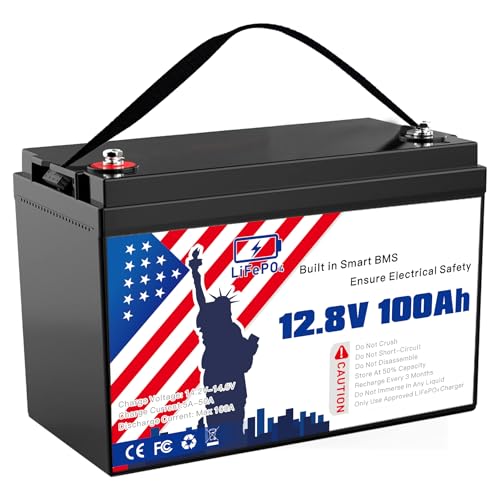
12.8V 100Ah LiFePO4 Battery, Grade A Lithium Iron Phosphate Battery Cells Group 31 Built-in 100A BMS 15000 Deep Cycles Longer Cycle Life Battery for Solar System, Home Energy, RVs, Boats
Superior Power with Protection: Our 100Ah battery uses Grade-A LiFePO4 cells for exceptional energy density and reliable performance…
As an affiliate, we earn on qualifying purchases.
As an affiliate, we earn on qualifying purchases.

12V 100Ah Lithium Battery,LiFePO4 Battery Built-in 100A BMS Protect,Group 31 Deep Cycle Portable Power,Lithium Iron Phosphate Battery for Trolling Motors,Yacht, Marine,RV, Home Energy (2Pack-100Ah)
【Longer Lifetime】Eiiev12.8V 100Ah LiFePO4 battery provides 4000~15000 cycles (10 times longer) 4000 Time Cycles at 100% DOD, 6000…
As an affiliate, we earn on qualifying purchases.
As an affiliate, we earn on qualifying purchases.