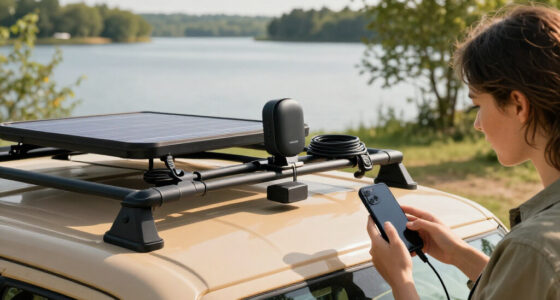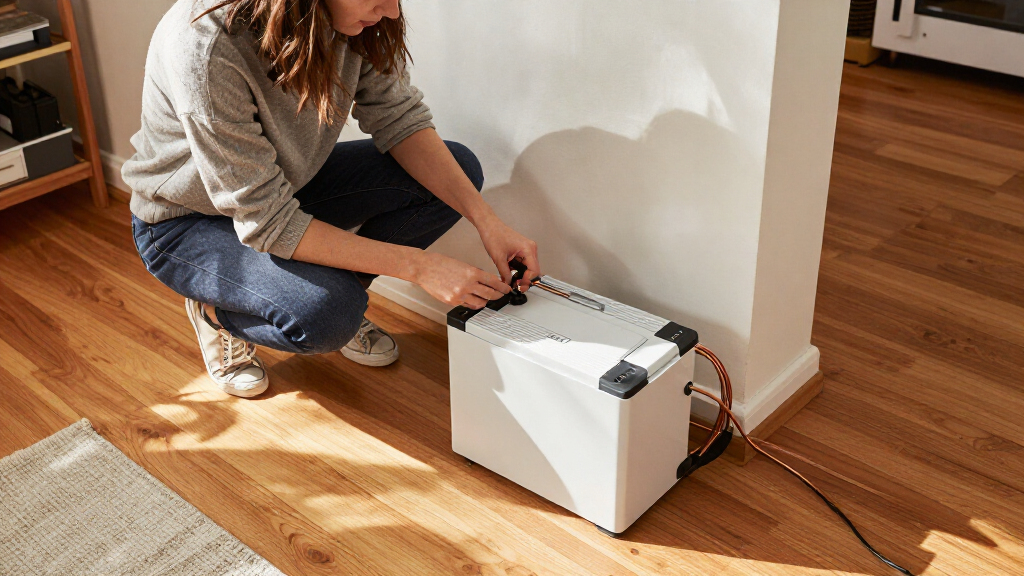

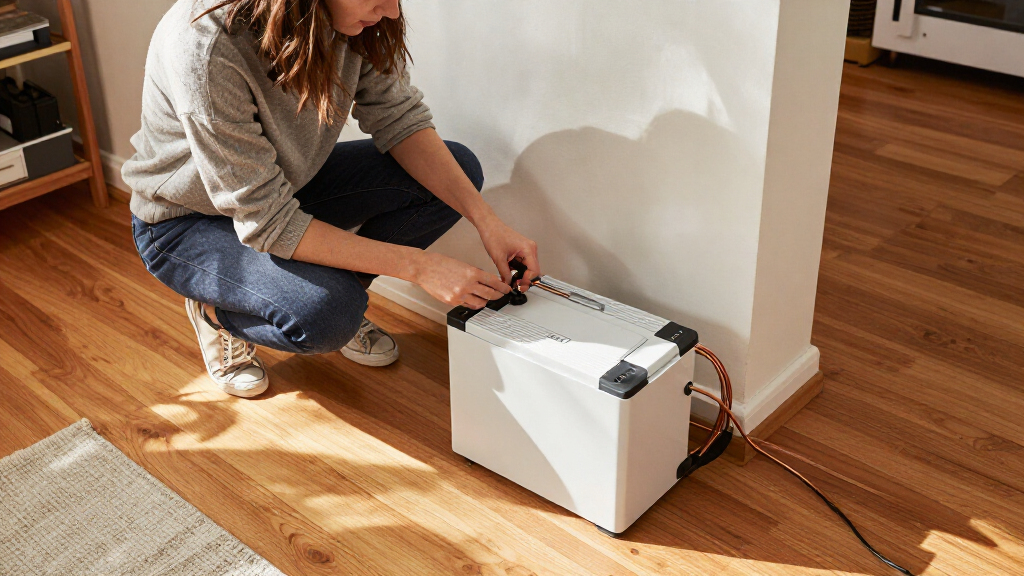
The best home energy storage batteries balance usable capacity, inverter compatibility, installation demands, and the kind of backup you need. My best overall pick is the ECO-WORTHY PowerMega 48V 314Ah system with a 10kW hybrid inverter, which combines a large battery with the equipment needed for a more integrated setup. For buyers who want substantial storage without choosing a bundled inverter, the VPauexii 16.07kWh battery and ECO-WORTHY Cubix100 system stand out for their capacity-led approaches. The main tradeoffs are between all-in-one convenience and component flexibility, and between a large fixed installation and a smaller portable unit. Read on for the full comparison, buying criteria, and guidance on matching a battery to your home.

Get backup power and energy gear delivered free with Prime
- Fast, free delivery on millions of items
- Prime Video, Amazon Music and more included
- Member-only deals all year
Key Takeaways
- The PowerMega 48V bundle leads for integrated planning: its 10kW hybrid inverter is included, while most large-capacity options here are batteries that need a compatible inverter and system design.
- Several batteries cluster around 16.07kWh: VPauexii, AOUSK, and the standalone ECO-WORTHY PowerMega share that capacity, so buyers should compare compatibility, installation support, and expansion plans rather than capacity alone.
- The Cubix100 is the capacity-focused choice: its 600Ah battery and cabinet suit buyers planning a larger fixed system, but demand more space and careful installation planning than a single rack battery.
- The 100Ah models serve a different job: WattCycle pairs a smaller battery with a 12kW split-phase inverter, while HumsiENK offers a 5120Wh rack battery; neither should be judged as a direct substitute for a 16kWh unit.
- Jackery HomePower 3600 Plus favors portability: its 3584Wh capacity and 3600W output fit compact backup needs, but it is not a like-for-like replacement for a high-capacity, permanently installed home battery.


| home energy storage batterie | Warranty | Voltage | Capacity | Battery chemistry |
|---|---|---|---|---|
| ECO-WORTHY PowerMega 48V 314Ah | 10 years | — | — | LiFePO4 |
| VPauexii 51.2V 314Ah LiFePO4 B | 5 years | 51.2V | 314Ah | LiFePO4 |
| VEVOR 51.2V 400Ah LiFePO4 Serv | — | 51.2V | 400Ah (4 × 100Ah) | LiFePO4 |
| WattCycle 48V 100Ah LiFePO4 Ba | 5 years | — | — | LiFePO4 |
| AOUSK 48V 314Ah LiFePO4 Batter | 5 years | — | 314Ah | LiFePO4 |
| ECO-WORTHY Cubix100 48V 600Ah | 10 years | 51.2 V | 600 Ah | — |
| HumsiENK 48V 100Ah LiFePO4 Ser | 5 years | 48 V | 100 Ah | — |
| ECO-WORTHY Powermega 51.2V 314 | 10 years | 51.2 V | 314 Ah | — |
| Jackery HomePower 3600 Plus Po | 5 years | 120 V; 240 V in parallel | — | — |
More Details on Our Top Picks
ECO-WORTHY PowerMega 48V 314Ah LiFePO4 Battery and 10kW Hybrid Inverter System
For buyers who want storage and power conversion in one package, the ECO-WORTHY PowerMega pairs a 16.1kWh battery with a 10kW hybrid inverter. That combination can simplify system planning compared with the standalone VPauexii battery, which still needs a compatible inverter and installation connections. Its 120V single-phase or 240V split-phase output suits a broader range of household loads, while WiFi, Bluetooth, and an LCD make system status easier to check. The long stated cycle life and 10-year warranty also give it a stronger longevity proposition than the five-year warranties on the VPauexii and WattCycle systems. The tradeoff is a less modular starting package: it includes one battery, and parallel connection cables are not included. Truck-freight delivery may also take more coordination than a smaller battery shipment.
Pros:- Combines 16.1kWh of usable storage with a 10kW hybrid inverter.
- Supports both 120V single-phase and 240V split-phase output.
- Offers WiFi and Bluetooth app monitoring alongside an LCD display.
- Includes active balancing, a circuit breaker, and an aerosol fire suppression module.
Cons:- The single-battery package does not include parallel connection cables.
- Truck-freight shipping and possible multiple-package delivery require more receiving coordination.
- The bundled inverter may be unnecessary for buyers who already have a compatible inverter.
Best for: Homeowners building a solar or backup system who want a large battery and hybrid inverter supplied together, including households that need 240V split-phase output.
Not ideal for: Buyers who already own an inverter, want to expand a battery bank immediately without sourcing extra cables, or need a lightweight system that is easy to move.
- Battery chemistry:LiFePO4
- Battery voltage:51.2V
- Battery capacity:314Ah
- Usable energy:16.1kWh
- Inverter output power:10,000W
- Output voltage:120V single-phase or 240V split-phase
- Cycle life:9,000+ cycles at 80% DoD
- Warranty:10 years
Our verdict“Choose this package if you want substantial storage and a 10kW inverter together, and can accommodate freight delivery and separately sourced expansion cables.”
VPauexii 51.2V 314Ah LiFePO4 Battery with 16.07kWh Capacity
The VPauexii is a standalone 16.07kWh battery for buyers planning a bank that can grow well beyond a single unit. Its stated support for up to 15 batteries in parallel gives it a scale advantage over the WattCycle system, which lists expansion to 20 batteries but is built around its own inverter configuration. With a 200A BMS, 250A breaker, and RS485, CAN, and RS232 ports, this battery is aimed at installations where inverter communication and higher-capacity storage matter. An LCD plus WiFi and Bluetooth monitoring also gives owners several ways to check status. Compared with the bundled ECO-WORTHY PowerMega system, though, VPauexii does not include an inverter, so buyers must verify compatibility and plan the rest of the electrical setup. Its five-year warranty is shorter than ECO-WORTHY’s 10-year coverage, and cycle-life claims depend on operating conditions.
Pros:- Stores 16.07kWh in one battery and supports parallel expansion up to 15 units.
- 200A BMS and 250A breaker support a substantial battery installation.
- Provides LCD, WiFi, and Bluetooth monitoring.
- RS485, CAN, and RS232 ports support communication with compatible inverters.
Cons:- A compatible inverter and system connections must be supplied separately.
- The five-year warranty is shorter than the ECO-WORTHY PowerMega system’s 10-year warranty.
- The stated 10,000+ cycle life depends on recommended operating conditions.
Best for: Solar homeowners and off-grid system builders who already have, or are selecting, a compatible inverter and want a path to a multi-battery bank.
Not ideal for: Buyers looking for a ready-to-connect battery-and-inverter package, or those who want a longer stated warranty than five years.
- Battery chemistry:LiFePO4
- Voltage:51.2V
- Capacity:314Ah
- Energy:16.07kWh
- BMS:200A
- Parallel expansion:Up to 15 units; up to 241kWh total capacity
- Cycle life:10,000+ cycles at 80% DOD
- Warranty:5 years
Our verdict“Pick the VPauexii if scalable standalone storage matters more to you than getting an inverter in the same package.”
VEVOR 51.2V 400Ah LiFePO4 Server Rack Battery with 100A BMS
The VEVOR stands apart from the 314Ah batteries in this lineup with 400Ah of capacity, organized as four 100Ah units in a server-rack format. That higher capacity can suit a rack-based solar or backup setup where storage is the priority, although it does not come with the inverter supplied in the ECO-WORTHY PowerMega bundle. Monitoring is handled through an LCD and mobile app, with Bluetooth, WiFi, RS485, and CAN connections for system visibility and integration. Its listed UL1973 and UL9540 safety standards are useful details for buyers comparing rack batteries. The main compromise is output: the 100A maximum charge and discharge current limits power flow compared with systems built around higher-current arrangements. At 103.6 pounds, it is also a substantial lift, so rack placement and handling need planning.
Pros:- Provides 400Ah through four 100Ah units.
- Designed to fit standard server racks.
- Includes LCD and app monitoring with Bluetooth, WiFi, RS485, and CAN.
- Lists UL1973 and UL9540 safety standards and multiple BMS protections.
Cons:- Maximum charge and discharge current is 100A.
- At 103.6 pounds, installation and rack placement require careful handling.
- A compatible inverter is not included.
Best for: Solar and backup-power owners with a compatible inverter and standard server rack who value higher amp-hour capacity over a bundled inverter.
Not ideal for: Buyers who need high charge or discharge current, want an inverter included, or cannot safely position a 103.6-pound battery.
- Battery chemistry:LiFePO4
- Voltage:51.2V
- Capacity:400Ah (4 × 100Ah)
- Maximum charge/discharge current:100A
- Cycle life:Over 6,000 cycles
- Rack compatibility:Standard server racks
- Weight:103.6 lbs
- Safety standards:UL1973 and UL9540
Our verdict“Choose the VEVOR for a rack-based system that needs 400Ah of storage, provided its 100A current limit fits your power demands.”
WattCycle 48V 100Ah LiFePO4 Battery and 12kW Split-Phase Inverter System
WattCycle makes the strongest case here for a home with substantial solar production: its dual MPPT controllers accept up to 24,000W, and the included 12kW inverter supplies 120V/240V split-phase output. The package includes two 48V 100Ah rack batteries, totaling 10.24kWh, so it starts with less storage than the 16.07kWh VPauexii or ECO-WORTHY options. In exchange, it offers a UPS transfer time under 10ms, a useful feature for backup loads that should not experience a long interruption. Expansion is supported, with the system listing up to six inverters and 20 batteries. The package is more integrated than a standalone battery, but the five-year warranty is shorter than ECO-WORTHY’s, and its 48V architecture may not suit buyers building around other battery voltages.
Pros:- Includes a 12kW split-phase inverter and two rack batteries totaling 10.24kWh.
- Dual MPPT controllers support up to 24,000W of solar input.
- UPS transfer time is under 10ms for backup loads.
- Supports expansion to six inverters and 20 batteries.
Cons:- Initial storage is lower than the 16.07kWh VPauexii and 16.1kWh ECO-WORTHY battery systems.
- The five-year warranty is shorter than the ECO-WORTHY PowerMega system’s 10-year warranty.
- Designed around a 48V battery architecture, which may not match other system designs.
Best for: Homeowners with a large solar array who want a bundled split-phase inverter, fast backup transfer, and room to expand the system.
Not ideal for: Buyers whose first priority is maximum storage in the initial package, who need a warranty longer than five years, or whose system is not built around 48V batteries.
- Battery chemistry:LiFePO4
- Battery configuration:Two 48V 100Ah rack batteries
- Total battery capacity:10.24kWh
- Inverter output:12kW
- Output voltage:120V/240V split-phase
- Solar input:Up to 24,000W
- UPS transfer time:Under 10ms
- Warranty:5 years
Our verdict“Choose WattCycle if solar input capacity and fast split-phase backup matter more than maximizing the storage included at the outset.”
AOUSK 48V 314Ah LiFePO4 Battery, 16.07 kWh
The AOUSK pairs 16.07kWh of storage with a practical feature that many large batteries lack: built-in handles and wheels. That can make positioning a 291-pound unit less awkward, though it remains too heavy to treat as an easy one-person lift. Like the VPauexii, it is a standalone 314Ah battery that supports expansion to 15 units and offers RS485, CAN, and RS232 connections; unlike the bundled ECO-WORTHY PowerMega system, it does not include an inverter. Its display, app, and PC monitoring options give buyers several ways to check system status, while dual breakers and a 200A BMS add electrical protection. The tradeoff is a stated cycle life of up to 6,000 cycles at 80% state of health, below the VPauexii’s 10,000+ cycle claim, plus a five-year warranty.
Pros:- Provides 16.07kWh of storage and supports parallel connection of up to 15 units.
- Built-in handles and wheels aid positioning.
- Offers display, app, and PC monitoring, plus RS485, CAN, and RS232 interfaces.
- Includes a 200A BMS and breakers on both poles.
Cons:- Weighs 291 pounds despite the handles and wheels.
- Requires a compatible inverter and system connections, unlike the bundled ECO-WORTHY PowerMega package.
- The stated cycle life is up to 6,000 cycles at 80% state of health, and the warranty is five years.
Best for: Homeowners or installers adding a large standalone battery who need to maneuver it into position and want multiple monitoring options.
Not ideal for: Buyers who need an inverter included, cannot accommodate a 291-pound battery, or prioritize the highest stated cycle-life figure in this group.
- Battery chemistry:LiFePO4
- Nominal voltage:51.2V
- Capacity:314Ah
- Energy storage:16.07kWh
- Cycle life:Up to 6,000 cycles at 80% state of health
- Parallel connection:Up to 15 units
- Weight:291 lb
- Warranty:5 years
Our verdict“Pick the AOUSK if you want expandable 16.07kWh storage with easier positioning aids and already have a compatible inverter plan.”
ECO-WORTHY Cubix100 48V 600Ah LiFePO4 Battery System with RACK6 V3 Cabinet
With 30.72 kWh across six batteries, the Cubix100 is the largest ready-to-rack system in this group, suited to homes that need substantial backup or off-grid storage rather than a small emergency reserve. Its cabinet, 600A busbar, and included installation accessories make it a more complete package than the single-battery HumsiENK, though the HumsiENK is easier to scale one 5.12 kWh unit at a time. CAN and RS485 support inverter communication, while Bluetooth and Wi-Fi give owners monitoring options. The tradeoff is substantial: the system weighs 636 lb, so delivery, placement, and electrical work need planning. Inverter compatibility and inspection requirements also depend on the installation; this is not a plug-in portable station like the Jackery HomePower 3600 Plus.
Pros:- Provides 30.72 kWh from six LiFePO4 batteries in one cabinet package.
- CAN, RS485, Bluetooth, and Wi-Fi support inverter communication and app monitoring.
- Includes cabinet, cables, grounding wires, terminal covers, and mounting hardware.
- Supports parallel expansion up to 32 units.
Cons:- The 636 lb system is difficult to transport and position without suitable equipment and planning.
- Inverter compatibility and inspection requirements depend on the specific installation.
- Its large installed capacity may exceed the needs of households seeking only limited outage backup.
Best for: Homeowners or off-grid property owners with a compatible 48V inverter who need a large, cabinet-based battery bank and have professional installation planned.
Not ideal for: Renters, buyers seeking a portable backup unit, or households without space and access for a 636 lb cabinet system.
- Chemistry:LiFePO4
- Battery count:6
- Voltage:51.2 V
- Capacity:600 Ah
- Energy capacity:30.72 kWh
- Communications:CAN, RS485, Bluetooth, Wi-Fi
- Maximum parallel units:32
- System weight:636 lb
- Warranty:10 years
Our verdict“Choose the Cubix100 for a substantial, expandable home battery bank if you have the room, compatible inverter, and installation support to handle its size.”
HumsiENK 48V 100Ah LiFePO4 Server Rack Battery, 5120Wh
The HumsiENK suits buyers who want to build a battery bank in 5.12 kWh increments instead of committing to a large cabinet system upfront. Its 3U metal enclosure, included parallel and communication cables, and support for up to 20 batteries make it a practical fit for a rack-based installation. The Bluetooth and Wi-Fi app monitoring and CAN, RS232, and RS485 connections offer flexibility across compatible setups. Compared with the six-battery ECO-WORTHY Cubix100, this unit is easier to expand gradually, but it starts with far less stored energy and carries a shorter five-year warranty than the Cubix100’s ten years. At 96.45 lb, it is still a heavy component, and it requires dedicated rack space rather than offering the portability of the Jackery.
Pros:- Modular 5.12 kWh capacity can be expanded to as many as 20 parallel batteries.
- CAN, RS232, and RS485 protocols support a range of compatible inverter setups.
- Bluetooth and Wi-Fi app monitoring provide access to battery status.
- 3U metal enclosure and included parallel and communication cables support rack installation.
Cons:- Each battery weighs 96.45 lb and needs rack space.
- A single unit provides substantially less storage than the ECO-WORTHY Cubix100 or Powermega.
- Five-year warranty is shorter than the ten-year warranties listed for those ECO-WORTHY systems.
Best for: DIY-minded homeowners and installers assembling a compatible 48V rack system who prefer to add storage in smaller increments.
Not ideal for: Buyers who need high capacity immediately, lack a suitable rack, or want a lightweight, portable backup battery.
- Chemistry:LiFePO4
- Voltage:48 V
- Capacity:100 Ah
- Energy:5.12 kWh
- Output power:5,120 W
- BMS:100 A
- Rack size:3U
- Maximum parallel connections:20
- Warranty:5 years
Our verdict“Pick the HumsiENK if you want a rack-mounted system that can grow one 5.12 kWh battery at a time and can accept its weight and shorter warranty.”
ECO-WORTHY Powermega 51.2V 314Ah LiFePO4 Battery, 16.07kWh
The Powermega combines 16.07 kWh of storage with details that make a large stationary battery easier to monitor and manage: a 7-inch touchscreen, wireless app access, integrated wheels, and an included circuit breaker. Its 200A active-balancing BMS and aerosol fire-suppression modules add safety features beyond the basic monitoring offered by the HumsiENK rack battery. The Powermega also expands to 15 units, while the Cubix100 offers a larger six-battery system out of the box. That makes this a middle ground for buyers who want substantial capacity without starting at 30.72 kWh. The tradeoffs are its bulk—delivery is specified by pallet truck—and high-current terminals that call for careful installation. It is a battery, not a complete inverter system, and the listed included component is the battery itself.
Pros:- 16.07 kWh capacity provides substantially more storage per unit than the HumsiENK’s 5.12 kWh.
- 200A active-balancing BMS, circuit breaker, and aerosol fire-suppression modules provide multiple safety layers.
- Touchscreen and Wi-Fi/Bluetooth monitoring offer local and remote status checks.
- Integrated wheels and expansion support up to 15 units help with movement and future capacity growth.
Cons:- Large size and weight require pallet-truck delivery.
- High-current battery terminals require careful installation and compatible equipment.
- The listed package includes the battery only, so buyers must provide a compatible inverter and other system components.
Best for: Homeowners with a compatible inverter who want a high-capacity battery with onboard controls, wireless monitoring, and added fire-suppression features.
Not ideal for: Buyers needing a lightweight or plug-and-play portable station, or those who want an inverter included in the same package.
- Chemistry:LiFePO4
- Voltage:51.2 V
- Capacity:314 Ah
- Energy capacity:16.07 kWh
- BMS:200 A with active cell balancing
- Display:7-inch HD touchscreen
- Connectivity:Wi-Fi, Bluetooth, RS485, CAN
- Parallel expansion:Up to 15 units
- Warranty:10 years
Our verdict“Choose the Powermega if you want a large standalone battery with prominent monitoring and safety features and already have a compatible inverter plan.”
Jackery HomePower 3600 Plus Portable Power Station, 3584Wh, 3600W
The Jackery HomePower 3600 Plus is the portability pick: its 3,584 Wh capacity and 3,600 W output come in a wheeled unit with a telescopic handle, so it can serve outages, workshops, or outdoor use without a permanent battery rack. It also accepts AC, solar, gas-generator, and hybrid charging, giving it more charging flexibility than the fixed-install ECO-WORTHY Powermega. The tradeoff is capacity: one Jackery stores far less energy than the Powermega’s 16.07 kWh or Cubix100’s 30.72 kWh. Its 240V operation and higher parallel output require connecting units, so buyers should not treat those capabilities as available from a single station. At 77.2 lb, it is movable but not light to lift, and its five-year warranty is shorter than the ECO-WORTHY systems’ ten-year terms.
Pros:- 3,600 W output can support a range of household devices within the station’s capacity.
- AC, solar, gas-generator, and hybrid charging give owners several recharge routes.
- Wheels and a telescopic handle make it easier to move than rack batteries such as the HumsiENK.
- LFP battery is specified for 6,000 cycles and a 10-year lifespan.
Cons:- 3.584 kWh capacity is much lower than the ECO-WORTHY Powermega and Cubix100 systems.
- 240V operation and 7,200 W parallel output require connecting units.
- At 77.2 lb, it can still be awkward to lift, and the warranty is five years.
Best for: Households that want a movable outage backup for selected appliances, with multiple charging options and no fixed rack installation.
Not ideal for: Buyers planning whole-home, high-capacity storage from a single battery or needing 240V output without connecting multiple units.
- Battery type:LFP
- Battery capacity:3,584 Wh
- Output wattage:3,600 W
- Parallel output:7,200 W
- Voltage:120 V; 240 V in parallel
- Charging options:Hybrid AC+DC, AC, solar, gas generator
- Expandable capacity:Up to 21 kWh per unit or 43 kWh with multiple units
- Weight:77.2 lb
- Warranty:5 years
Our verdict“Choose the Jackery for movable, multi-source backup for selected loads; choose a fixed system like the Powermega or Cubix100 for far more stored energy.”
How We Picked
I ranked these products around the needs behind a home battery purchase: how much energy a system can store, how readily it can connect to a suitable inverter, how much of the system is included, and whether its form factor suits a permanent installation or portable backup. I also weighed stated power and capacity against the likely scale of the job. A bundled inverter can reduce component-matching work, while a battery-only product offers more freedom but leaves compatibility and system design to the buyer.
The ranking reflects those differences rather than treating the largest capacity as an automatic winner. The PowerMega bundle ranks first for combining substantial storage with a hybrid inverter; large standalone batteries follow for buyers who already have a plan for power conversion. The Cubix100 earns a distinct role for larger installations, while the smaller rack batteries and Jackery are positioned for narrower backup needs. Before purchase, buyers should confirm electrical compatibility, installation requirements, warranty terms, and local code requirements directly with the manufacturer or a qualified installer.
Factors to Consider When Choosing Best Home Energy Storage Batteries
A battery’s headline capacity is only one part of a home storage decision. I would start with the loads you want to keep running, the way the battery will connect to your electrical system, and the space and installation work the setup requires. These checks can prevent a large-capacity battery from becoming an expensive mismatch.
Size Storage Around the Outage You Need to Cover
List the appliances you expect to run during an outage, then estimate both their energy use over time and their startup demands. A battery’s kilowatt-hour figure describes stored energy, while an inverter’s kilowatt rating describes how much power it can supply at once; confusing the two is a common planning mistake. A large battery can still struggle with several high-demand appliances if its inverter or output limits do not suit them. Decide whether you need overnight essentials, a full day of selected circuits, or longer backup before choosing a capacity class. Leave room for real-world losses and avoid assuming every stated unit of capacity will reach every load. This helps explain why the 16.07kWh models and the 3584Wh Jackery belong to different backup plans rather than competing on one number.
Treat the Inverter and Battery as One System
Battery voltage, inverter input range, communication protocols, and charging limits must work together. A bundled system such as the PowerMega 48V package can simplify component selection, but it still needs a suitable installation and confirmation that its functions match your home. Battery-only options give a buyer more choice, though that flexibility shifts the burden of compatibility checks onto the owner or installer. Ask whether the system supports the charging sources you plan to use and how it behaves when grid power is unavailable. Do not assume two products with similar voltage will communicate or operate as a matched system. Get model-specific confirmation before buying, especially if you are adding storage to existing solar equipment.
Choose Between Portable Backup and a Fixed Installation
A portable power station is easier to move and can suit essential devices or a small backup zone, but it has a different role from a rack battery installed as part of a home electrical system. Fixed systems can serve larger loads and may support a more deliberate home backup design, yet they bring space, wiring, ventilation, and professional installation questions. Check where the equipment can be safely placed and whether the location meets manufacturer requirements. A compact unit is not automatically a simpler whole-home solution, and a large rack battery is not automatically right for a renter or a household with limited utility space. Match the form factor to how you expect to use backup power, not just to the capacity label.
Plan for Expansion Before Buying the First Battery
Some buyers start with one battery and add capacity later, but expansion depends on approved configurations, compatible hardware, and the system’s control limits. Ask the manufacturer how many units can be connected, whether batteries must be the same model, and whether later additions require settings or equipment changes. A large cabinet system such as the Cubix100 may suit a planned, higher-capacity build, while a single 100Ah rack battery may be a more measured starting point. Buying a smaller unit with no confirmed path to expansion can cost more effort than choosing an adequately sized system at the outset. Conversely, paying for capacity you will rarely use ties up space and resources. Base the decision on a written load plan and the manufacturer’s supported configurations.
Compare Safety, Warranty, and Service Details
LiFePO4 chemistry is common across this lineup, but the chemistry alone does not answer questions about protection, certification, warranty coverage, or service access. Check the battery management system’s stated protections and confirm whether the complete system—not just the cells—has documentation relevant to your installation. Read warranty conditions for installation rules, operating limits, and who handles a claim. Ask how replacement parts or technical support are handled, especially for a system that combines separate battery and inverter brands. A familiar capacity specification should not replace a review of the manual and written support terms. These details matter most when the battery will be installed permanently and relied on during outages.
Pay for Integration or Flexibility, Not Just a Bigger Number
A bundled inverter can be worth choosing when it reduces the time and uncertainty involved in selecting compatible components. A standalone battery can make more sense when you already own suitable equipment or need a specific inverter configuration. Compare the full system requirements, including mounting, wiring, protection equipment, and installation labor, rather than comparing battery capacities alone. A high-capacity model is poor value if it forces a costly redesign or exceeds your actual backup needs. At the other end, a compact portable station may be a practical choice when mobility and simple use matter more than whole-home coverage. The best spending decision follows the system you need, not the largest specification on a product page.
Frequently Asked Questions
Can I connect one of these batteries to my existing solar inverter?
Possibly, but voltage compatibility alone is not enough to confirm a safe or functional pairing. Check the inverter’s approved battery list, voltage range, charge and discharge limits, and communication requirements. Some batteries may operate with compatible equipment without full data communication, but that can affect monitoring or supported functions. Ask both manufacturers or a qualified installer to confirm the exact model combination in writing. If the answer is unclear, a battery-and-inverter bundle may reduce component-matching work.
How do I know whether 16.07kWh is enough for my home?
Start by adding the energy use of the specific circuits you want to back up over the duration you have in mind. A battery’s stored energy does not tell you whether its inverter can start or run every appliance at once, so check power demand separately. Include expected system losses and avoid planning to run every household load as usual during an outage. If your goal is only refrigeration, lighting, communications, and a few outlets, your needs may differ greatly from a plan that includes heating or cooking equipment. An electrician or installer can help turn utility usage and appliance data into a backup estimate.
Should I choose a bundled inverter system or a battery-only model?
A bundle can make sense when you are building a new system and want fewer separate components to select. It does not remove the need to confirm installation requirements, electrical compatibility, and whether the inverter supports your intended loads. A battery-only model may suit a home that already has a compatible inverter or needs a particular system design. Compare the complete installed setup rather than the battery and inverter specifications in isolation. If you cannot verify compatibility or system behavior, get installer guidance before choosing the battery-only route.
Is a portable power station suitable as my only home backup battery?
It can cover a limited backup role, such as keeping selected devices running, but its capacity and output must match those loads and their runtime needs. A portable unit such as the Jackery in this lineup is not equivalent to a high-capacity rack battery or a permanently integrated home system. Check how it can be charged, what it can power at once, and whether the connection method suits your home. If you want selected household circuits or longer backup, compare fixed-system options and installation needs. Choose portable storage when portability and a smaller backup scope are the point, not as a shortcut to whole-home coverage.
What should I check before adding a second battery later?
Confirm the manufacturer supports parallel or expanded operation for the exact model and specifies how many units can be connected. Ask whether added batteries must match the original model, age, capacity, or firmware, and whether the inverter needs changes. Check that the existing wiring, protection equipment, and installation location can accommodate the planned system size. A product described as expandable should still have a documented configuration that fits your setup. Getting these answers before the first purchase can prevent a later expansion from requiring replacement equipment.
Conclusion
For most buyers planning a substantial fixed system, I recommend the ECO-WORTHY PowerMega 48V 314Ah bundle as the best overall because it pairs a large battery with a 10kW hybrid inverter. For a battery-focused value choice, compare the VPauexii 16.07kWh and AOUSK 16.07kWh against your inverter and installation plan; the right fit depends on verified compatibility and support, not capacity alone. Buyers planning a larger installation should look at the ECO-WORTHY Cubix100 as the premium, capacity-oriented pick. For beginners who want a smaller, portable backup format, the Jackery HomePower 3600 Plus is the more approachable form factor, though it is not a whole-home substitute. Choose WattCycle if the included split-phase inverter suits your design, or HumsiENK if a 5120Wh rack battery better fits a limited backup plan. Before ordering any fixed system, have an installer verify the electrical design, local requirements, and manufacturer-approved component pairing.