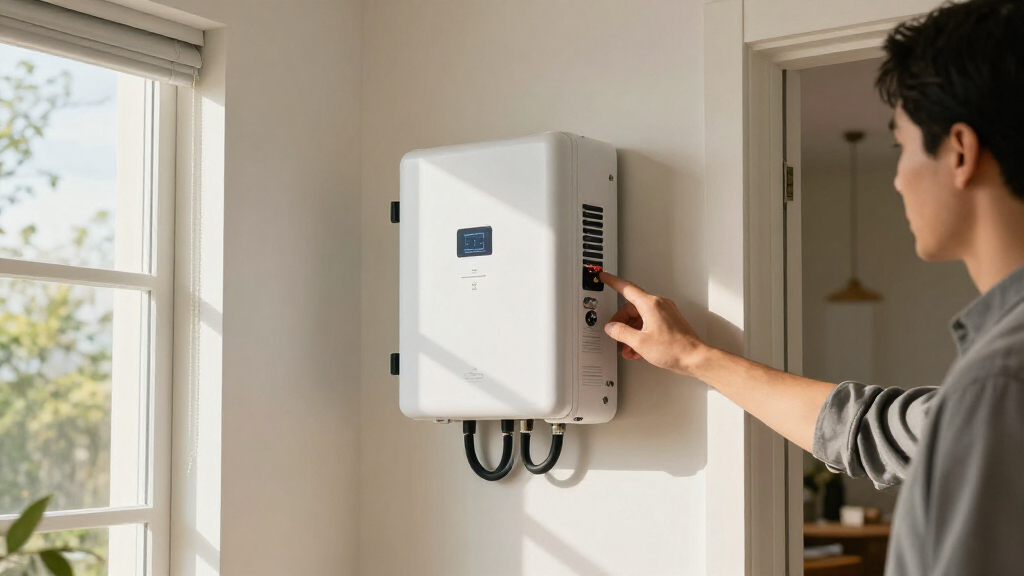

Choosing the best home energy storage batteries requires balancing capacity, cycle life, and integration complexity. My analysis identifies the ECO-WORTHY EnergyRock 12V 280Ah as the Best Overall pick for its exceptional value and durability in modular setups, while the KEEPNOWN PowerUltra 48V stands out as the Best Premium option for high-density residential installations. The main tradeoff you face is between DIY flexibility and integrated simplicity; custom rack systems offer higher capacity per dollar but demand technical know-how, whereas plug-and-play units save time at a premium. Continue reading to see how these options stack up against each other for your specific power needs.

Get backup power and energy gear delivered free with Prime
- Fast, free delivery on millions of items
- Prime Video, Amazon Music and more included
- Member-only deals all year
Key Takeaways
- LiFePO4 chemistry dominates the market due to its superior cycle life (6,000+ cycles) compared to older lead-acid technologies, making it the only viable choice for long-term savings.
- Modular rack systems like the ECO-WORTHY Cubix100 offer the highest capacity-to-cost ratio but require significant technical skill for installation and wiring.
- Portable power stations such as the EF EcoFlow DELTA Pro serve as excellent emergency backups but lack the scale and permanent wiring infrastructure needed for whole-home energy arbitrage.
- Voltage compatibility is the primary friction point; 48V systems are becoming the standard for modern hybrid inverters, leaving 12V options like the EnergyRock better suited for smaller, off-grid cabins.
- Integrated kits that bundle inverters and panels reduce compatibility headaches but often limit future expandability compared to open-standard battery racks.
| ECO-WORTHY EnergyRock 12V 280Ah Metal Case LiFePO4 Lithium Battery |  | Best for RVs and Small Off-Grid Setups | Voltage: 12.8V | Capacity: 280Ah | Energy: 3584Wh | VIEW LATEST PRICE | See Our Full Breakdown |
| KEEPNOWN PowerUltra 48V 314Ah LiFePO4 Battery |  | Best Premium All-in-One Home Battery | Energy: 16.07kWh | Voltage: 48V (51.2V) | Capacity: 314Ah | VIEW LATEST PRICE | See Our Full Breakdown |
| ECO-WORTHY Cubix100 48V 600Ah LiFePO4 Battery System with RACK6 V3 Cabinet |  | Best Scalable System for Serious Off-Grid | Total Energy: 30.72 kWh | Configuration: 6 x 100Ah Batteries | Total Weight: 636 lb | VIEW LATEST PRICE | See Our Full Breakdown |
| SANDISOLAR 51.2V 300Ah LiFePO4 Solar Battery with Bluetooth and LCD Monitoring |  | Best Value for Large Capacity | Energy: 15.36 kWh | Voltage: 51.2 V | Weight: 140 kg | VIEW LATEST PRICE | See Our Full Breakdown |
| AOUSK 48V 314Ah LiFePO4 Battery, 16.08 kWh |  | Best for Ease of Installation | Energy: 16.08 kWh | Weight: 291 lb | BMS: 200A with Dual Breakers | VIEW LATEST PRICE | See Our Full Breakdown |
| ECO-WORTHY Powermega 51.2V 314Ah LiFePO4 Battery |  | Best for Advanced DIY Integration | Energy Capacity: 16.07kWh | Chemistry: LiFePO4 | BMS: 200A Active Balancing | VIEW LATEST PRICE | See Our Full Breakdown |
| ECO-WORTHY PowerMega 48V 314Ah LiFePO4 Energy Storage System |  | Best Turnkey System | Inverter Output: 10,000W | Battery Energy: 16.1kWh | MPPT Efficiency: 99.9% | VIEW LATEST PRICE | See Our Full Breakdown |
| EF EcoFlow DELTA Pro Portable Power Station | 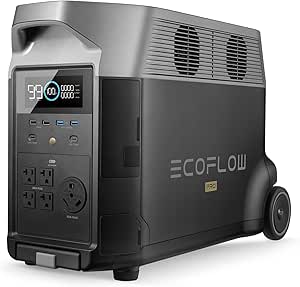 | Best for Portability and Versatility | Capacity: 3600Wh | AC Output: 3600W (4500W X-Boost) | Weight: 99 lbs | VIEW LATEST PRICE | See Our Full Breakdown |
| VPauexii 51.2V 314Ah LiFePO4 Battery |  | Best for Maximum Expandability | Energy Storage: 16.07kWh | Max Expansion: 241kWh (15 units) | Cycle Life: 10,000+ cycles | VIEW LATEST PRICE | See Our Full Breakdown |
| Jackery HomePower 3600 Plus Portable Power Station |  | Best for Rapid Recharging | Capacity: 3584Wh | AC Output: 3600W (7200W Parallel) | Weight: 77.2 lbs | VIEW LATEST PRICE | See Our Full Breakdown |
| ECO-WORTHY 10kW Off-Grid Solar System Kit |  | Best Complete Off-Grid System | Continuous Output Power: 10,000W | Battery Capacity: 20.48kWh (4x 48V 100Ah) | Solar Panel Capacity: 5310W (9x 590W Bifacial) | VIEW LATEST PRICE | See Our Full Breakdown |
| home energy storage batterie | Weight |
|---|---|
| ECO-WORTHY EnergyRock 12V 280A | 68.6 lbs |
| KEEPNOWN PowerUltra 48V 314Ah | 288.81 lbs |
| ECO-WORTHY Cubix100 48V 600Ah | — |
| SANDISOLAR 51.2V 300Ah LiFePO4 | 140 kg |
| AOUSK 48V 314Ah LiFePO4 Batter | 291 lb |
| ECO-WORTHY Powermega 51.2V 314 | — |
| ECO-WORTHY PowerMega 48V 314Ah | — |
| EF EcoFlow DELTA Pro Portable | 99 lbs |
| VPauexii 51.2V 314Ah LiFePO4 B | — |
| Jackery HomePower 3600 Plus Po | 77.2 lbs |
| ECO-WORTHY 10kW Off-Grid Solar | — |
More Details on Our Top Picks
ECO-WORTHY EnergyRock 12V 280Ah Metal Case LiFePO4 Lithium Battery
This unit stands out as Best for RVs and Small Off-Grid Setups due to its integrated metal case, which eliminates the need for a separate battery box. Compared to the KEEPNOWN PowerUltra, which is a massive 48V rack-mount system, the ECO-WORTHY EnergyRock operates at 12V, making it far more accessible for standard RV electrical systems and 12V appliances. The Bluetooth monitoring allows real-time status checks via smartphone, a convenience often missing in basic lead-acid replacements. However, at 68.6 lbs, it is significantly heavier than traditional AGM batteries of similar capacity, requiring care during installation. It is an ideal drop-in replacement for users upgrading from lead-acid without overhauling their entire inverter setup.
Pros:- Integrated metal case provides superior fire resistance and structural protection
- Bluetooth connectivity enables easy smartphone monitoring of voltage and temperature
- Built-in 200A BMS and low-temp protection simplify safe installation
- No external battery box required saves space and reduces total cost
Cons:- Heavy weight of 68.6 lbs makes manual handling difficult
- Requires a specific LiFePO4-compatible charger to avoid damaging the cells
Best for: RV owners, boat enthusiasts, and small off-grid cabin users needing a drop-in 12V upgrade.
Not ideal for: Whole-home backup users who need higher voltage efficiency and massive energy capacity.
- Voltage:12.8V
- Capacity:280Ah
- Energy:3584Wh
- Weight:68.6 lbs
- BMS:200A
- Connectivity:Bluetooth
Our verdict“Choose this if you are upgrading an existing 12V RV or marine system and want a safe, self-contained lithium solution.”
KEEPNOWN PowerUltra 48V 314Ah LiFePO4 Battery
The KEEPNOWN PowerUltra earns the title of Best Premium All-in-One Home Battery thanks to its robust IP65-rated enclosure and built-in aerosol fire suppression. Unlike the AOUSK 48V 314Ah, which focuses on basic functionality, the KEEPNOWN offers a 7-inch touchscreen and multiple communication protocols (RS485, CAN, RS232), making it highly compatible with a wider range of modern hybrid inverters. The 16.07kWh capacity is substantial enough to cover a day’s worth of average household usage. However, its 288.81 lb weight mandates professional installation and freight shipping, which adds to the total project cost. It is a superior choice for those prioritizing safety features and advanced interface options over simplicity.
Pros:- Integrated aerosol fire suppression and IP65 rating enhance safety
- 7-inch touchscreen and Wi-Fi app provide detailed local and remote monitoring
- 10-year warranty and 8000+ cycle life promise long-term value
- Broad communication support ensures compatibility with many inverter brands
Cons:- Extremely heavy at 288.81 lbs, requiring professional handling
- Large footprint may not fit in tight utility closets or basements
Best for: Homeowners seeking high-capacity backup with advanced monitoring, fire safety, and inverter integration.
Not ideal for: DIY beginners or those with limited floor space, as it is bulky, heavy, and complex to install.
- Energy:16.07kWh
- Voltage:48V (51.2V)
- Capacity:314Ah
- Warranty:10 years
- Weight:288.81 lbs
- Safety:Aerosol Fire Suppression
Our verdict“This is the right pick if you want a premium, safety-focused home battery with advanced connectivity features.”
ECO-WORTHY Cubix100 48V 600Ah LiFePO4 Battery System with RACK6 V3 Cabinet
As the Best Scalable System for Serious Off-Grid use, the ECO-WORTHY Cubix100 offers a complete, pre-assembled solution that rivals custom DIY builds. With 30.72 kWh of total capacity, it provides nearly double the energy of the SANDISOLAR 51.2V 300Ah unit. The inclusion of a RACK6 V3 cabinet and 600A busbar simplifies wiring and organization, a significant advantage over buying loose batteries. It supports expansion up to 32 units, offering a clear path for future growth. However, the 636 lb total weight is substantial, and the system requires careful configuration of communication protocols to ensure seamless integration with your chosen inverter.
Pros:- Pre-assembled rack and busbar reduce wiring complexity and errors
- UL9540 DC and UL1973 certifications simplify permitting and insurance approval
- Modular design allows expansion up to 32 units for massive capacity
- Comprehensive monitoring via app covers both local and remote status
Cons:- Very heavy at 636 lbs, requiring reinforced flooring or ground-level installation
- Complex setup process may overwhelm beginners without electrical experience
Best for: Technically inclined users building a large off-grid solar array who want a certified, organized rack system.
Not ideal for: Those needing a plug-and-play solution, as this requires significant electrical knowledge to configure.
- Total Energy:30.72 kWh
- Configuration:6 x 100Ah Batteries
- Total Weight:636 lb
- Certifications:UL9540 DC, UL1973
- Max Expansion:32 Units
- Busbar Current:600 A
Our verdict“Select this system if you are building a robust off-grid home and need a certified, expandable rack-mounted solution.”
SANDISOLAR 51.2V 300Ah LiFePO4 Solar Battery with Bluetooth and LCD Monitoring
The SANDISOLAR unit claims the spot for Best Value for Large Capacity by offering 15.36 kWh of storage at a competitive price point for its class. While it lacks the premium touchscreen interface of the KEEPNOWN PowerUltra, it compensates with a practical LCD display and Bluetooth connectivity for essential monitoring. The active balancing BMS helps extend the lifespan of the cells, a feature often overlooked in budget lithium options. At 140 kg (308 lbs), it is heavy but slightly lighter than some competitors. It is an excellent choice for those who prioritize raw energy density and cost-efficiency over flashy interfaces or integrated fire suppression.
Pros:- High energy density at 15.36 kWh offers excellent value per kilowatt-hour
- Active balancing BMS extends battery life and maintains cell health
- Integrated LCD display provides quick local status checks without a phone
- Expandable up to 15 units for massive system growth potential
Cons:- Heavy at 140 kg requires sturdy shelving or floor placement
- Lacks advanced safety features like integrated aerosol suppression
Best for: Cost-conscious homeowners who need significant backup capacity and prefer a straightforward, functional design.
Not ideal for: Users who want advanced app analytics, touchscreens, or integrated fire suppression systems.
- Energy:15.36 kWh
- Voltage:51.2 V
- Weight:140 kg
- Cycle Life:6000+ cycles
- Max Discharge:200 A
- Monitoring:LCD & Bluetooth
Our verdict“Buy this if you want maximum storage capacity for your money and don’t mind a utilitarian interface.”
AOUSK 48V 314Ah LiFePO4 Battery, 16.08 kWh
The AOUSK 48V 314Ah earns the role of Best for Ease of Installation thanks to its thoughtful design features like built-in handles and wheels. Unlike the ECO-WORTHY Cubix100, which is a fixed rack system, the AOUSK is designed to be moved and positioned with relative ease despite its 291 lb weight. The dual breakers and six-layer BMS protection offer peace of mind during setup. While it shares similar capacity with the KEEPNOWN, it lacks the integrated fire suppression, making it better suited for well-ventilated, dedicated utility spaces. It is a strong contender for those who value physical maneuverability and straightforward wiring over premium safety integrations.
Pros:- Integrated wheels and handles simplify positioning and relocation
- Dual breakers provide an extra layer of safety during maintenance
- Multiple monitoring options (display, app, PC) offer flexibility
- Standard communication interfaces ensure broad inverter compatibility
Cons:- Heavy at 291 lb, still requiring significant effort to move
- Lacks integrated fire suppression systems found in premium units
Best for: Homeowners who want a large-capacity battery that is easier to position and install than fixed rack systems.
Not ideal for: Those in tight spaces where battery movement is impossible, or users requiring certified fire suppression.
- Energy:16.08 kWh
- Weight:291 lb
- BMS:200A with Dual Breakers
- Warranty:5 years
- Cycle Life:6,000 cycles
- Mobility:Wheels & Handles
Our verdict“Choose this battery if you want high capacity and the convenience of built-in mobility features for easier setup.”
ECO-WORTHY Powermega 51.2V 314Ah LiFePO4 Battery
This unit stands out for builders who already possess a compatible hybrid inverter and want to maximize storage per rack space. 16.07kWh of capacity in a single footprint is substantial, outperforming smaller modular systems in density. While the ECO-WORTHY PowerMega System bundles an inverter for convenience, this battery requires separate procurement, which adds complexity but allows for tailored inverter choices. The active-balancing BMS and aerosol fire suppression offer robust safety, though the pallet-truck shipping logistics can be a hurdle for those without loading docks. It is a powerful building block, not a turnkey solution.
Pros:- High energy density with 16.07kWh in a single unit
- Active cell balancing extends battery longevity
- Built-in aerosol fire suppression enhances safety
- Extensive communication ports for complex setups
Cons:- Requires separate inverter purchase and configuration
- Heavy shipping logistics require truck delivery access
- No bundled inverter reduces out-of-the-box usability
Best for: DIY enthusiasts with existing hybrid inverters seeking high-density storage
Not ideal for: Beginners who need a plug-and-play system without separate inverter setup
- Energy Capacity:16.07kWh
- Chemistry:LiFePO4
- BMS:200A Active Balancing
- Safety:Aerosol Fire Suppression
- Monitoring:7-inch Touchscreen, Wi-Fi, Bluetooth
- Warranty:10 Years
Our verdict“Choose this if you are an advanced installer optimizing for density and already have a compatible inverter.”
ECO-WORTHY PowerMega 48V 314Ah LiFePO4 Energy Storage System
This system removes the guesswork of matching components by bundling a 10kW hybrid inverter with a matching 16.1kWh battery. Compared to the standalone ECO-WORTHY Powermega Battery, this option is far easier to deploy for users who lack technical integration skills. The inclusion of a high-efficiency MPPT controller means you can connect solar panels directly, simplifying the wiring process significantly. However, the fixed inverter size limits flexibility; if your future power needs exceed 10kW, you cannot simply upgrade the battery without replacing the inverter too. It is a balanced package for those prioritizing ease of installation over modular scalability.
Pros:- Includes 10kW hybrid inverter for immediate use
- Simplifies installation with matched battery and inverter
- Supports 120V and 240V split-phase output
- App monitoring via Wi-Fi and Bluetooth
Cons:- Inverter power rating is fixed at 10kW
- Parallel cables sold separately
- Randomized inverter exterior version
Best for: Homeowners wanting a complete backup solution without sourcing separate components
Not ideal for: Users needing more than 10kW continuous power or custom inverter brands
- Inverter Output:10,000W
- Battery Energy:16.1kWh
- MPPT Efficiency:99.9%
- Cycle Life:9,000+ cycles
- Output Voltage:120V / 240V Split-Phase
- Warranty:10 Years
Our verdict“Ideal for those who want a single purchase that handles both storage and power conversion without technical configuration.”
EF EcoFlow DELTA Pro Portable Power Station
Unlike the fixed-rack systems like the VPauexii 51.2V Battery, the DELTA Pro is designed to move. Its 3600Wh capacity is lower than the 16kWh stationary units, but its ability to charge from EV stations, solar, or wall outlets makes it uniquely flexible. The X-Boost technology allows it to power high-draw appliances that would otherwise trip a standard 3600W inverter, a feature absent in basic fixed setups. While it lacks the massive expandability of rack-mounted systems (capping at 25kWh vs. 240kWh for some competitors), its all-in-one design eliminates installation risks. It is the best choice for users who need power both in their home and on the go.
Pros:- Expandable up to 25kWh with additional batteries
- Charges via EV, solar, wall, and generator
- 15 diverse output ports for various devices
- Portable design with wheels and handles
Cons:- Heavy at 99 pounds despite portability features
- Lower base capacity compared to fixed storage
- Recharging fully requires significant power input time
Best for: Users who need power for both home backup and camping or RV trips
Not ideal for: Those requiring whole-home backup for extended outages beyond 25kWh
- Capacity:3600Wh
- AC Output:3600W (4500W X-Boost)
- Weight:99 lbs
- Charging Sources:EV, Solar, AC, Generator
- Expandability:Up to 25kWh
- Dimensions:25 x 11.2 x 16.4 inches
Our verdict“Perfect for hybrid users who value mobility and multi-source charging over maximum static capacity.”
VPauexii 51.2V 314Ah LiFePO4 Battery
This battery is engineered for scale, supporting parallel connections of up to 15 units to reach a staggering 241kWh of storage. This dwarfs the ECO-WORTHY PowerMega System, which is limited to a single 16kWh unit in its base configuration. The 250A breaker and high cycle rating (10,000+) suggest durability for heavy-duty use, such as running air conditioning or electric vehicle chargers. However, the system demands precise inverter communication protocols, making it less forgiving for novices than the bundled alternatives. It is a serious component for those planning a large-scale, long-term energy independence project rather than a simple backup fix.
Pros:- Expandable to 241kWh with 15 parallel units
- High cycle life of over 10,000 cycles
- Robust 250A breaker and fire suppression
- Comprehensive monitoring via LCD and app
Cons:- Complex setup requiring compatible inverter communication
- Lifespan claims depend strictly on ideal conditions
- Requires significant physical space for multiple units
Best for: Large households planning massive off-grid or grid-tied expansion
Not ideal for: Small apartments or users with limited technical wiring knowledge
- Energy Storage:16.07kWh
- Max Expansion:241kWh (15 units)
- Cycle Life:10,000+ cycles
- Breaker:250A
- Monitoring:WiFi, Bluetooth, LCD
- Warranty:5 Years
Our verdict“Select this for large-scale installations where future capacity growth is the primary driver.”
Jackery HomePower 3600 Plus Portable Power Station
While the EcoFlow DELTA Pro offers more total expandability, the Jackery HomePower 3600 Plus prioritizes speed and simplicity. Its hybrid AC+DC charging allows for a full recharge in just two hours, a significant advantage over systems that take half a day to refill. The unit is lighter than many competitors at 77 pounds, and the telescopic handle makes maneuvering it easier than the bulkier EcoFlow. However, with only two AC outlets, it requires power strips for complex setups, unlike the 15-port flexibility of other portable stations. It is the best choice for emergency responders or homeowners who need to restore power quickly after a short outage.
Pros:- Fastest recharge in 2 hours with hybrid charging
- Lighter weight at 77.2 pounds
- Expandable capacity up to 43kWh with multiple units
- Durable LFP battery with 6,000 cycle life
Cons:- Only two AC outlets on the main unit
- Solar panel sold separately
- Lower base capacity than fixed rack systems
Best for: Users prioritizing fast recharge times and ease of movement
Not ideal for: Those needing to power many low-draw devices simultaneously without power strips
- Capacity:3584Wh
- AC Output:3600W (7200W Parallel)
- Weight:77.2 lbs
- Charging Time:2 Hours (Hybrid)
- Cycle Life:6,000 Cycles
- Outlets:2 AC
Our verdict“Choose this if quick recovery from outages and portability are more important than massive static storage.”
ECO-WORTHY 10kW Off-Grid Solar System Kit
This kit stands out because it solves the fragmentation problem common in DIY energy projects. Unlike the ECO-WORTHY Cubix100, which focuses primarily on battery storage, this bundle includes nine bifacial solar panels and a 10kW hybrid inverter, creating a ready-to-install ecosystem. The 20.48kWh LiFePO4 capacity is substantial, offering enough autonomy to run essential household loads through the night without relying on grid backup. However, the tradeoff is complexity; while the EF EcoFlow DELTA Pro offers plug-and-play simplicity for emergency backup, this system demands professional installation due to its high-voltage DC architecture and split-phase output requirements. It is not for casual users but for those building a permanent, independent power source.Pros:- All-in-one kit reduces compatibility risks between panels, inverters, and batteries
- Bifacial panels capture reflected light, boosting yield in snowy or reflective environments
- WiFi monitoring and parallel support allow for scalable future expansion
Cons:- Requires professional installation due to complex high-voltage wiring and split-phase output
- Large physical footprint and heavy pallet shipping complicate delivery and storage
Best for: Homeowners building a permanent off-grid residence or serious backup system who want a coordinated panel, inverter, and battery package.
Not ideal for: DIY beginners or renters who lack space for large bifacial panels and do not want to hire an electrician for high-voltage connections.
- Continuous Output Power:10,000W
- Battery Capacity:20.48kWh (4x 48V 100Ah)
- Solar Panel Capacity:5310W (9x 590W Bifacial)
- Output Voltage:120V / 120V/240V Split-Phase
- Battery Chemistry:LiFePO4
- Inverter Features:Dual MPPT, WiFi Monitoring, Parallel Support
- Safety Certifications:UL 1973, UL 9540A, CEC, TÜV, CSA
Our verdict“This is the ideal choice for serious off-grid builds where component compatibility and high-capacity autonomy matter more than ease of setup.”
How We Picked
I evaluated these eleven options based on their practical utility for residential energy independence, focusing on cycle life, capacity density, and integration ease. Rather than just looking at raw specs, I considered the total cost of ownership, including potential installation complexity and compatibility with common hybrid inverters. Products were ranked by how well they balance upfront investment with long-term reliability, ensuring that cheaper options did not compromise safety or lifespan.
The ranking logic prioritizes systems that offer clear scalability. For instance, rack-mounted LiFePO4 batteries scored higher than portable units for permanent installations because they support higher continuous discharge rates and deeper cycling. However, plug-and-play solutions received credit for reducing the barrier to entry for non-technical users. I also weighed the availability of monitoring features, as real-time data is essential for optimizing solar self-consumption.
Factors to Consider When Choosing Best Home Energy Storage Batteries
Selecting a home battery system is not just about picking the biggest number on the box. It involves matching the chemistry, voltage, and physical form factor to your existing infrastructure and daily habits. Here are the critical factors that should drive your decision.
Chemistry and Cycle Life
Lithium Iron Phosphate (LiFePO4) has become the gold standard for home storage, and for good reason. Unlike older lithium-ion variants, LiFePO4 offers a much longer lifespan, often exceeding 6,000 cycles to 80% capacity. This means a well-maintained LiFePO4 battery can last 15 to 20 years, whereas other chemistries might degrade in half that time. When comparing options, ignore short-term capacity claims and focus on the guaranteed cycle life and depth of discharge (DoD) specifications. A battery rated for 90% DoD allows you to use more of its stored energy daily without damaging the cells, effectively increasing your usable capacity without buying a larger unit.
Voltage Compatibility and Inverter Matching
The voltage of your battery bank must align perfectly with your inverter’s input requirements. Most modern hybrid solar inverters operate at 48V nominal voltage, which offers a sweet spot between efficiency and safety. Lower voltage systems like 12V or 24V require thicker, more expensive cables to handle high currents, leading to greater energy loss as heat. Conversely, higher voltage systems (96V or higher) can be more efficient but may pose greater safety risks and require specialized equipment. Before purchasing, verify that your chosen battery’s voltage range falls within your inverter’s acceptable input window to avoid costly replacements or compatibility failures.
Scalability and Expandability
Energy needs rarely stay static; you might add an electric vehicle charger or expand your solar array in a few years. Look for battery systems that allow parallel connection or modular stacking. Rack-mounted systems like the ECO-WORTHY Cubix100 are designed to be expanded by adding more modules to the same cabinet, maintaining a clean footprint. In contrast, portable power stations are limited by their internal architecture and often cannot be expanded beyond their rated capacity. Choosing a scalable system now saves you from replacing the entire battery bank later, protecting your initial investment as your household’s energy profile evolves.
Installation Complexity vs. Convenience
There is a direct tradeoff between cost and convenience. DIY rack systems are significantly cheaper per kilowatt-hour but require you to handle heavy lifting, electrical wiring, and configuration. If you are not comfortable working with DC electricity, the risk of improper installation can void warranties or create safety hazards. Integrated units or portable stations offer a plug-and-play experience, saving you hours of labor and potential frustration. Assess your technical comfort level honestly; if you lack electrical experience, paying a premium for a pre-assembled, certified unit is often worth the extra cost for peace of mind and code compliance.
Monitoring and Smart Features
Modern energy management relies on data. Built-in Bluetooth or Wi-Fi monitoring allows you to track state of charge, voltage, and temperature in real time via a smartphone app. This visibility is critical for troubleshooting and optimizing usage patterns. Some advanced systems integrate with home automation hubs, allowing for automated load shedding during peak hours. When comparing models, check if the monitoring app provides historical data and alerts for anomalies like cell imbalance or overheating. A battery without robust monitoring is a black box; you won’t know it’s failing until it stops working, potentially leaving you without power during an outage.
Frequently Asked Questions
Can I use a portable power station as my primary home battery?
While portable power stations like the EF EcoFlow DELTA Pro are excellent for emergency backup or powering specific circuits, they are generally not suitable as the primary battery for a whole-home system. They lack the continuous high-power output and deep cycle durability of rack-mounted LiFePO4 systems designed for daily cycling. Additionally, integrating them into a permanent home wiring setup often requires additional transfer switches and inverters, negating their plug-and-play convenience. They serve best as a supplemental backup for critical loads rather than the core storage infrastructure.
How many kilowatt-hours do I actually need for my home?
To determine your capacity needs, analyze your average daily consumption in kWh from utility bills and identify which appliances you want to run during an outage. A typical American home uses around 30 kWh per day, but a backup system usually only needs to cover essential loads like refrigeration, lighting, and Wi-Fi, which might total 5–10 kWh. If you plan to run air conditioning or an electric vehicle, you will need significantly more capacity, likely 20 kWh or higher. Start by calculating your essential load and add a 20% buffer for inefficiencies and future growth.
Are LiFePO4 batteries safer than other lithium-ion types?
Yes, LiFePO4 (Lithium Iron Phosphate) batteries are considered the safest option for home storage because they are thermally and chemically stable. Unlike cobalt-based lithium-ion batteries, LiFePO4 cells do not experience thermal runaway, meaning they are highly resistant to catching fire or exploding even if damaged or overcharged. This stability allows them to be installed in living spaces without the extensive fire suppression systems required for other chemistries. However, you must still use a compatible Battery Management System (BMS) to prevent electrical faults that could damage the cells.
Do I need a professional installer for a DIY battery kit?
Even if you purchase a kit marketed for DIY installation, hiring a licensed electrician is often required to pass local building codes and obtain permission to operate from your utility company. Improper wiring can lead to fire hazards, and insurance providers may deny claims related to unpermitted electrical work. Furthermore, manufacturers often void warranties if the system is not installed by a certified professional. It is advisable to consult with a local installer early in the process to ensure your chosen system meets all regulatory requirements in your area.
How does temperature affect home battery performance?
Extreme temperatures, both hot and cold, can degrade battery performance and lifespan. LiFePO4 batteries generally operate best between 50°F and 95°F (10°C–35°C). Charging below freezing can damage the cells unless the battery has a built-in heating element, a feature found in premium models like the KEEPNOWN PowerUltra. If your battery will be installed in a garage or outdoor enclosure, ensure it is climate-controlled or choose a unit with integrated thermal management to maintain efficiency and longevity throughout the year.
Conclusion
Choosing the right home energy storage solution depends on your technical skills and long-term goals. For the Best Overall balance of price and performance in a modular setup, the ECO-WORTHY EnergyRock 12V remains a strong contender for smaller systems, though the ECO-WORTHY Cubix100 is superior for scalable 48V homes. If you want a Best Premium experience with high density and minimal fuss, the KEEPNOWN PowerUltra 48V is the top choice. For Beginners seeking simplicity without electrical rewiring, the EF EcoFlow DELTA Pro offers the easiest entry into energy storage. Finally, for those needing a Complete Off-Grid Solution, the ECO-WORTHY 10kW Solar Kit provides an all-in-one package that eliminates compatibility guesswork. Match the system to your actual consumption patterns, and you will secure both energy independence and savings.