TL;DR

Get backup power and energy gear delivered free with Prime
- Fast, free delivery on millions of items
- Prime Video, Amazon Music and more included
- Member-only deals all year
California has put in place reliability and data-sharing rules for EV charging projects receiving state or regulated-utility funding. The requirements include a common communications standard for certain new fast chargers, while repair experts say gaps in diagnostic data and coordination still make failures difficult to fix.
California’s Energy Commission has put reliability and data-sharing rules in place for EV charging projects funded by state agencies or regulated utilities, following laws passed in 2022 and 2023. The rules set requirements for covered chargers, including a common communications standard for certain new fast chargers, but repair specialists say important data and coordination gaps remain.
One requirement applies to publicly funded direct-current fast chargers installed on or after Sept. 28: they must support OCPP 2.0.1, the latest version of the Open Charge Point Protocol. The protocol lets chargers and network-management systems from different vendors communicate. The source report does not specify the year attached to the Sept. 28 start date.
Obrie Hostetter, director of fleet decarbonization programs at the nonprofit Center for Sustainable Energy, said performance data helps establish whether publicly funded charging projects are serving the public reliably. She acknowledged concerns that the rules could impose burdens on operators, but argued that public funding comes with an obligation to provide dependable service.
Michael Bakunin, CEO of charging-software vendor Epic Charging, said migrating some chargers to new software had been difficult and that the commission’s OCPP requirements were strict. The aim, according to the report, is to make it easier for owners to change software providers if a manufacturer or network operator exits the market, reducing the risk that equipment becomes unusable.
Public Funding Comes With Reliability Rules
The rules give California a way to set conditions on charging projects supported by public money, rather than relying solely on individual network operators to address reliability. That matters to drivers who depend on public stations and to agencies responsible for spending the funds: a charger that is installed but often unavailable may not deliver the service the investment was intended to support.
The shared protocol may also make chargers less dependent on a single software provider. If operators can switch systems when a provider fails or leaves the market, the equipment may remain usable. But a technical standard is not by itself a guarantee that a charger will work consistently. The report describes the requirements as one part of a longer effort, not a complete solution to outages or failed charging sessions.
California’s experience is relevant beyond its borders because it has more EVs than any other state, according to the report, and thus a large public charging network to support. Its approach combines regulation with efforts to let companies test equipment and train workers. Whether that combination improves day-to-day availability remains to be seen.
Products Worth Considering

EcoFlow Smart Home Panel 2 Whole-Home Backup System Hub

Bose Lifestyle Ultra Wireless Home Speaker

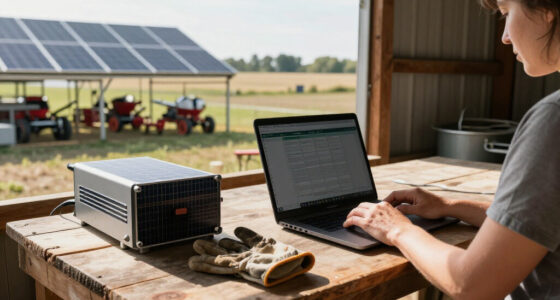
Jackery HomePower 3000 Portable Power Station with Two 200W Solar Panels
As an affiliate, we earn on qualifying purchases.
From State Laws to Charger Testing
Federal policy helped put charger reliability on the agenda. The report says the Biden administration attached reliability requirements to its $5 billion EV-charger program. It also says changes under the Trump administration weakened federal leadership on the issue, leaving states to take on more of the work. These characterizations are the report’s assessment of federal policy.
California’s laws in 2022 and 2023 directed the California Energy Commission to establish reliability and data-sharing standards for charging installers receiving money from state agencies or regulated utilities. The resulting rules took years to put in place. Industry reactions have been mixed: one charging-network employee, speaking anonymously in the report, called the regulations “largely an onerous data-reporting exercise” and questioned whether they would materially improve reliability.
The state is also supporting a testing effort. A $4 million CEC grant helped fund the Capital Charge Yard, a Sacramento testing lab that opened in August, according to the report. The facility involves companies including ABB, ChargePoint, EVgo, Hubject, Rivian and Tesla, and is managed by the nonprofit California Energy, Power, and Innovation Collaborative. The report says it hosts technician training and can test whether charging equipment works as expected before wider deployment.
“They have very strict requirements.”
— Michael Bakunin, CEO of Epic Charging
Data and Repairs Remain Open Problems
The report does not provide data showing whether the new rules have reduced outages, increased charger uptime or shortened repair times. It also does not establish how many chargers are covered, how compliance will be measured in practice, or what penalties may apply when requirements are not met.
Terry said repair crews still cannot access all the diagnostic information they need. She also pointed to unclear responsibilities when a charging session fails across a chain of systems: charger diagnostics, vehicle communications, payment authorization and other software. The report does not identify a finalized set of rules governing those handoffs or explain whether the CEC plans to create one.
It is also unclear how much the testing lab will change performance once equipment is installed in the field. The source describes the facility’s purpose and participating organizations, but offers no results from its testing or a timetable for measurable improvements.
Testing and Compliance Will Be Watched
The next test is how the CEC’s requirements are applied to future publicly funded installations and whether the data collected can reveal recurring failures. The source does not give a schedule for additional rules or a formal review of the standards, so those steps remain uncertain.
The Capital Charge Yard is expected to continue technician training and testing work, according to the report. Its practical value will depend on whether testing catches compatibility problems before chargers reach drivers and whether lessons are shared across vendors and operators.
Repair firms and charging providers will also need to address the gaps Terry described, particularly access to useful diagnostic data and clear handling of failures that cross hardware, software, vehicle and payment systems. Until those problems are addressed and results are reported, California’s rules mark a policy step—not proof that public EV charging has become reliable.
Key Questions
What has California changed about public EV chargers?
The California Energy Commission has put reliability and data-sharing requirements in place for charging projects funded by state agencies or regulated utilities, following laws passed in 2022 and 2023.
Which chargers must support OCPP 2.0.1?
The source says publicly funded direct-current fast chargers installed on or after Sept. 28 must support OCPP 2.0.1. It does not specify the year associated with that date.
How could OCPP 2.0.1 help drivers?
The protocol allows chargers and network-management systems from different vendors to communicate. The intended benefit is to make it easier for owners to change software providers if a company exits the market, helping keep equipment in service.
Will the rules stop public chargers from breaking down?
The source does not show that the rules have reduced failures. Repair specialists say missing diagnostic data and unclear coordination among hardware, software, vehicles and payment systems remain problems.
What is the Capital Charge Yard?
It is a Sacramento testing lab that opened in August with support from a $4 million CEC grant. The report says it hosts technician training and can test EV charging equipment, but does not provide results showing how much the lab has improved reliability.
Source: canarymedia.com