
TL;DR

Get backup power and energy gear delivered free with Prime
- Fast, free delivery on millions of items
- Prime Video, Amazon Music and more included
- Member-only deals all year
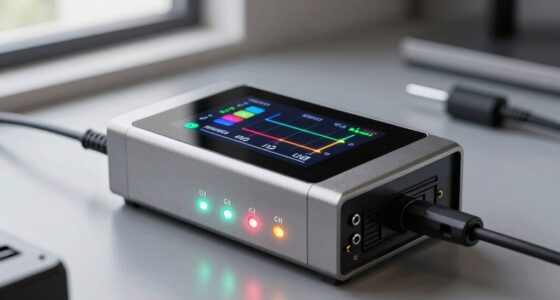
The Kode Dot is a small, programmable device designed for makers, pentesters, and geeks. It offers customizable features for hacking, development, and experimentation. Its launch signals a new tool for security professionals and hobbyists alike.
The Kode Dot is a new, compact, programmable device designed for makers, pentesters, and tech enthusiasts. Its launch offers a versatile tool capable of supporting various hacking, development, and experimentation tasks, making it a notable addition to the toolkit of security professionals and hobbyists alike.
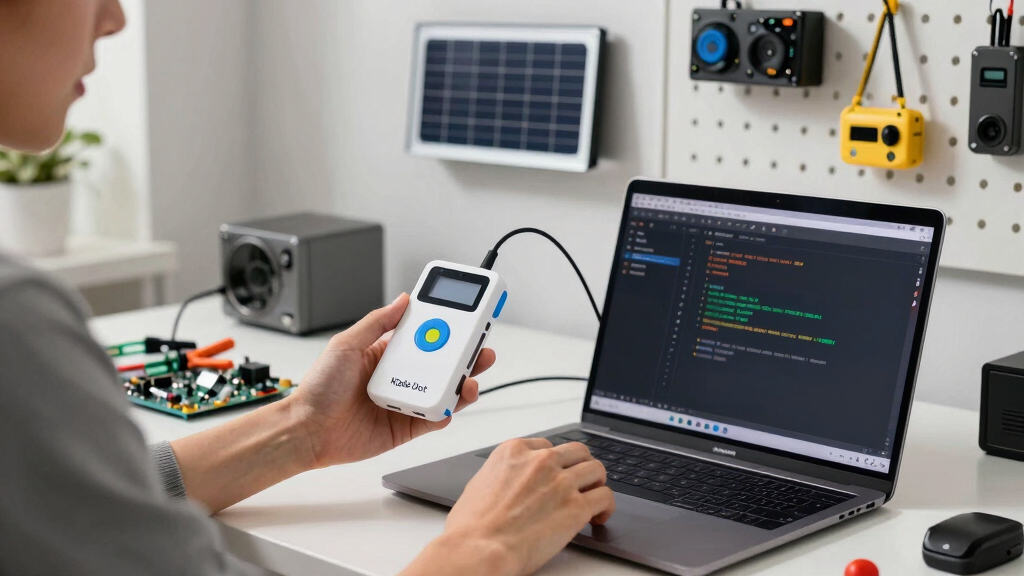
The Kode Dot is a pocket-sized device featuring a customizable hardware platform that includes multiple ports, programmable firmware, and support for various scripting languages. It is designed to be easily programmable via a dedicated app, enabling users to develop and deploy custom scripts for network testing, device hacking, or DIY projects.
According to the manufacturer, Kode Dot supports popular protocols and interfaces such as UART, USB, Wi-Fi, and Bluetooth, making it suitable for a range of applications from penetration testing to hardware hacking. The device is reportedly powered by a low-power ARM processor, ensuring portability and extended battery life.
While the device has been officially announced, detailed specifications, pricing, and availability dates are still being finalized. The company behind Kode Dot has indicated that it aims to target both professional security researchers and hobbyist makers, emphasizing ease of use and customization.
Potential Impact on Security and Maker Communities
The Kode Dot could significantly influence security testing workflows by providing a portable, customizable tool for pentesters and security researchers. It also offers makers and hackers a flexible platform for DIY projects, hardware hacking, and experimentation. Its compact design and support for multiple protocols make it a versatile addition to the toolkit of anyone involved in hardware or network security.
By lowering the barrier to entry for sophisticated hacking tools, Kode Dot might encourage more widespread security testing and learning, but it also raises concerns about misuse or malicious activity. Its impact will depend on how the device is adopted and regulated in the community.
Products Worth Considering

Jackery Explorer 300 Portable Power Station, 292Wh

Bose SoundLink Flex (2nd Gen) Portable Bluetooth Speaker

Anker SOLIX S2000 Portable Power Station, 2,010Wh, 1,500W
As an affiliate, we earn on qualifying purchases.
Background on Portable Hacking Devices and Maker Tools
Portable hacking devices such as the Raspberry Pi, HackRF, and Wi-Fi Pineapple have long served security professionals and hobbyists for testing and experimentation. These tools have evolved to become more user-friendly and accessible, fueling a growing community of makers and pentesters.
The emergence of compact, programmable devices like the Kode Dot continues this trend, aiming to combine power, portability, and ease of use. Previous devices have faced scrutiny over potential misuse, prompting ongoing discussions about regulation and responsible use within the security community.
The Kode Dot enters a competitive landscape but distinguishes itself with its focus on programmability and support for multiple protocols in a pocket-sized form factor.
“Tools like Kode Dot could democratize security testing, but also demand responsible use and awareness of potential risks.”
— John Smith, cybersecurity researcher
Unconfirmed Details About Release and Capabilities
Specific details about the final specifications, pricing, and release date of Kode Dot are still under wraps. It is not yet clear how much the device will cost or when it will be widely available. Additionally, the full extent of its capabilities and compatibility with various protocols remains to be confirmed by the manufacturer.
There is also uncertainty regarding potential regulatory concerns or restrictions that could impact its distribution and use, especially in regions with strict cybersecurity laws.
Next Steps for Kode Dot Launch and Community Adoption
The manufacturer is expected to announce pricing, availability, and detailed specifications in the coming weeks. Meanwhile, security researchers and maker communities will likely begin testing and evaluating the device once it becomes accessible. Discussions around responsible use and potential regulations are also anticipated to intensify as the device gains attention.
Further updates on user reviews, community projects, and potential security implications are expected in the months ahead.
Key Questions
What can the Kode Dot do?
The Kode Dot is designed to support hacking, development, and experimentation with multiple protocols such as Wi-Fi, Bluetooth, UART, and USB. It allows users to run custom scripts and develop tools for security testing or DIY projects.
Who is the target audience for Kode Dot?
The device targets makers, penetration testers, security researchers, and tech enthusiasts interested in hardware hacking, network testing, and portable development tools.
When will the Kode Dot be available for purchase?
The manufacturer has not announced an exact release date yet, but plans to reveal more details, including pricing and availability, in the coming weeks.
Is the Kode Dot legal to use?
Usage legality depends on local laws and regulations. Users should ensure they use the device responsibly and within legal boundaries, especially when performing security testing.
How does Kode Dot compare to existing tools?
Compared to devices like Raspberry Pi or HackRF, Kode Dot emphasizes portability and programmability with support for multiple protocols in a pocket-sized form factor, aiming for ease of use for both professionals and hobbyists.
Source: hn