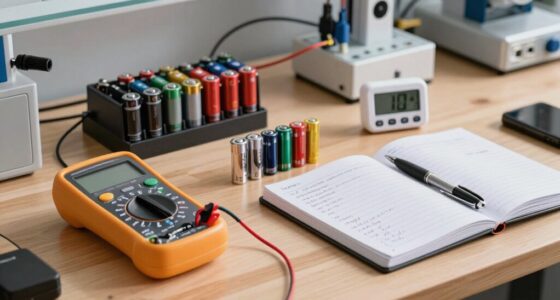
Underestimating runtime calculations can ruin your portable power planning. When you overlook how long your devices will really run, you risk unexpected downtime and frustration. Remember, battery capacity and energy efficiency are key. A device drawing more power than anticipated can cut your runtime drastically. By understanding your equipment and its consumption patterns, you can better prepare. Want to guarantee your devices last longer and avoid surprises? There’s more you need to know to get it right.

Get backup power and energy gear delivered free with Prime
- Fast, free delivery on millions of items
- Prime Video, Amazon Music and more included
- Member-only deals all year
Key Takeaways
- Failing to calculate runtime accurately can lead to unexpected device downtime and power shortages during use.
- Ignoring energy efficiency reduces runtime estimates, as devices often operate below 100% efficiency.
- Not accounting for varying power draw patterns complicates accurate runtime calculations and can lead to planning errors.
- Overlooking battery capacity limits can result in underestimating how long devices can actually run.
- Neglecting to incorporate real-world energy consumption data can lead to unreliable power management and frustration.
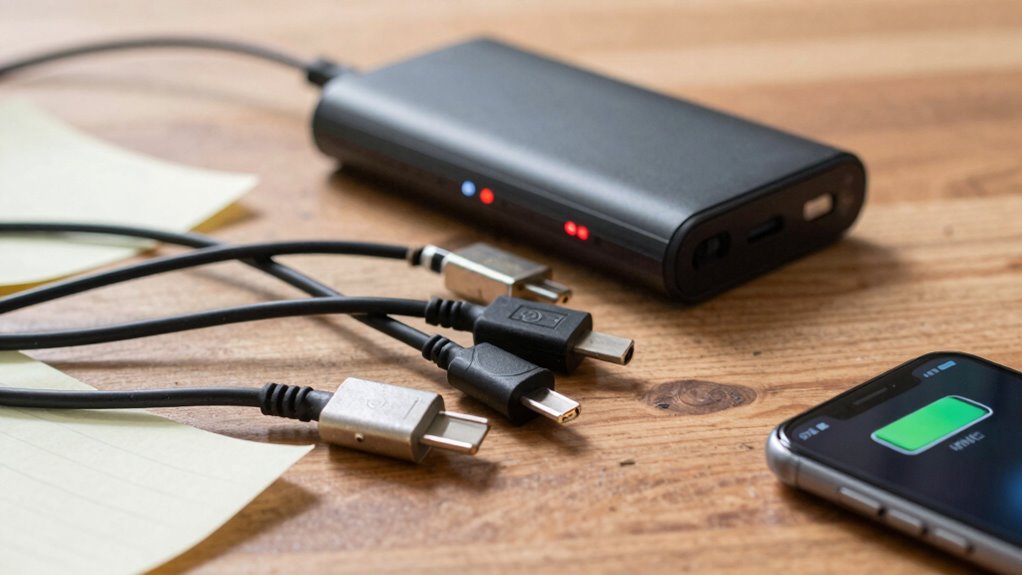
When planning for portable power, you might overlook an essential aspect: runtime calculations. It’s easy to get caught up in the excitement of choosing the latest gadgets or the most powerful generator, but without a clear understanding of how long your devices will run, you could find yourself in a bind. Battery capacity plays a key role here, and knowing how to calculate it can save you from unexpected downtime.
First, think about what battery capacity means for your devices. Each battery has a specific capacity, usually measured in watt-hours (Wh) or amp-hours (Ah). This figure indicates how much energy the battery can store and deliver over time. If you’re powering a device that consumes a certain amount of watts, you can determine how long the battery will last by dividing the battery capacity by the device’s wattage. For instance, a 500Wh battery powering a device that draws 100W will last for about five hours. Simple, right? But if you don’t factor in the energy efficiency of your device, this calculation might lead you astray.
Understanding battery capacity is key; it determines how long your devices will run based on their wattage and efficiency.
Energy efficiency isn’t just a buzzword; it’s crucial for maximizing your runtime. Many devices aren’t 100% efficient, meaning they draw more power than you might expect. This loss can happen due to heat, poor circuitry, or simply the design of the device. If your device has an energy efficiency rating of 80%, it’s only using 80% of the energy drawn from the battery for its intended purpose. So, in the earlier example, instead of lasting five hours, the runtime drops considerably, and you could find yourself with a device that shuts off sooner than planned. Additionally, understanding the power consumption patterns of your devices can help you better estimate their actual runtime.
Another aspect to think about is how different devices interact with your battery. Some devices might draw power in bursts, while others may require a steady flow. This variance complicates your calculations. Always err on the side of caution and assume lower efficiency rates and higher power draws than you expect. Incorporating accurate energy consumption data into your planning can help you create more reliable estimates and avoid surprises. Recognizing the importance of battery management can further improve your planning accuracy.
In short, don’t let runtime calculations ruin your portable power planning. By understanding battery capacity and factoring in energy efficiency, you can guarantee your devices run longer than anticipated. Always do the math before heading out, and you’ll avoid the frustration of running out of power when you need it most. Understanding battery capacity can help you make more accurate predictions and better prepare for your needs.
portable power station with high capacity
As an affiliate, we earn on qualifying purchases.
As an affiliate, we earn on qualifying purchases.
Frequently Asked Questions
What Is the Ideal Battery Capacity for Portable Power Devices?
The ideal battery capacity for portable power devices depends on your needs. Generally, you want at least 20,000 mAh for reliable performance, especially if you’re charging multiple devices. When calculating capacity, consider the battery types you’re using and their efficiency. Lithium-ion batteries are popular for their lightweight and long-lasting power. Always factor in your device’s power consumption to guarantee you’ve got enough capacity for your adventures without running out of juice too soon.
How Can I Extend the Lifespan of My Portable Power Station?
To keep your portable power station humming like a well-tuned engine, focus on battery maintenance. You should avoid deep discharges; instead, charge it regularly to manage those charging cycles wisely. Store it in a cool, dry place, away from extreme temperatures, which can age the battery faster. By treating it with care, you’ll guarantee it lasts longer, providing reliable energy when you need it most. Your adventures will be powered without a hitch!
What Safety Features Should I Look for in Portable Power Units?
When choosing a portable power unit, look for essential safety features like battery management systems that prevent overcharging and overheating. Confirm it has a suitable load capacity for your needs, so it can handle your devices without risk. Additionally, consider units with short circuit protection and surge protection to safeguard against unexpected issues. These features not only enhance performance but also enhance the longevity and reliability of your portable power station.
How Do Weather Conditions Affect Portable Power Performance?
Weather conditions greatly influence portable power performance. For instance, battery efficiency can drop by up to 20% in extreme temperatures. Cold weather affects chemical reactions in batteries, leading to reduced capacity, while excessive heat can cause overheating and shorten lifespan. You need to take into account these temperature impacts when planning your power needs. Always check the manufacturer’s guidelines for ideal operating conditions to guarantee you get the best performance from your portable units.
Can I Use a Portable Power Station Indoors Safely?
Yes, you can use a portable power station indoors safely, but you need to guarantee proper indoor ventilation. Many power stations are designed to be safe, but if you’re using gas-powered models, they can emit carbon monoxide, which is dangerous. Always keep windows open or use fans to circulate air. It’s vital to read the manufacturer’s guidelines and prioritize safety to prevent any risks while enjoying your portable power.
Conclusion
In the dance of portable power planning, overlooking runtime can trip you up like a hidden stone. Don’t let your dreams flicker out like a candle in the wind. Instead, embrace the rhythm of your devices, harmonizing their needs with your energy sources. With careful steps and a keen eye, you’ll waltz through your power needs, ensuring every moment shines bright. So, keep your plans grounded, and let your power flow like a river—steady and strong.
Halloween Picks
halloween
As an affiliate, we earn on qualifying purchases.