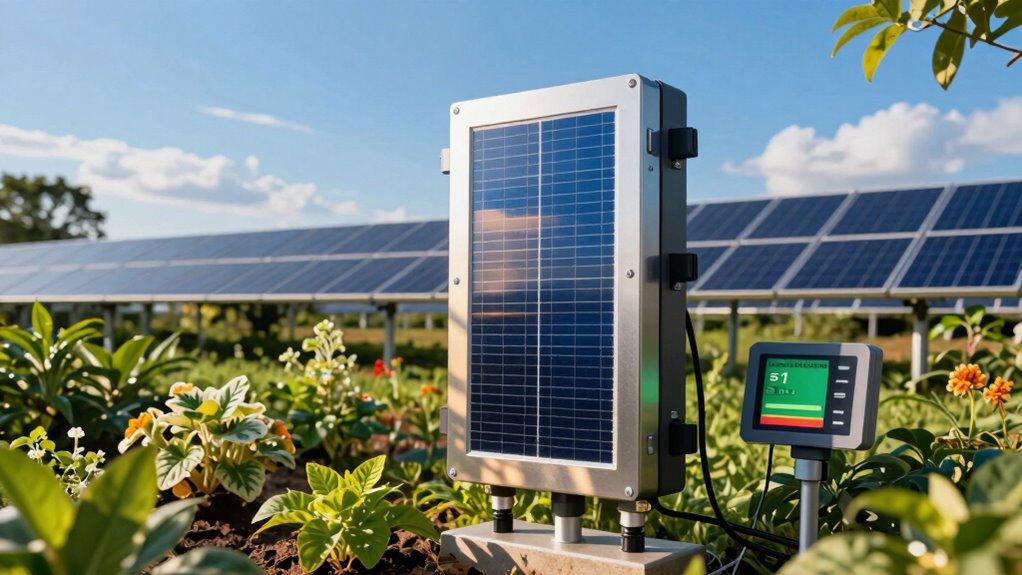

Oversized solar charge controllers aren’t wasteful; they’re smart investments for your energy future. They boost compatibility for system expansions and help you avoid costly replacements down the line. By managing energy fluctuations effectively, they guarantee your batteries last longer and perform reliably, even in bad weather. Plus, they maximize energy production and maintain efficiency during peak hours. By choosing an oversized controller, you’re setting yourself up for long-term savings and enhanced reliability. Learn more about their benefits!

Get backup power and energy gear delivered free — and shop member deals
- Fast, free delivery on millions of items
- Access to Prime Big Deal Days deals on October 6–7
- Prime Video, Amazon Music and more included
Key Takeaways
- Oversized charge controllers enhance compatibility and allow for future system expansions without needing costly replacements.
- They optimize performance by effectively managing fluctuations in solar input and improving energy harvesting efficiency in poor weather.
- Initial investment costs are offset by long-term savings from reduced maintenance and component replacement needs.
- These controllers maximize energy production during peak hours and efficiently manage excess energy for later use.
- Their durability and reliability contribute to a stable energy system, accommodating upgrades and varying energy demands.
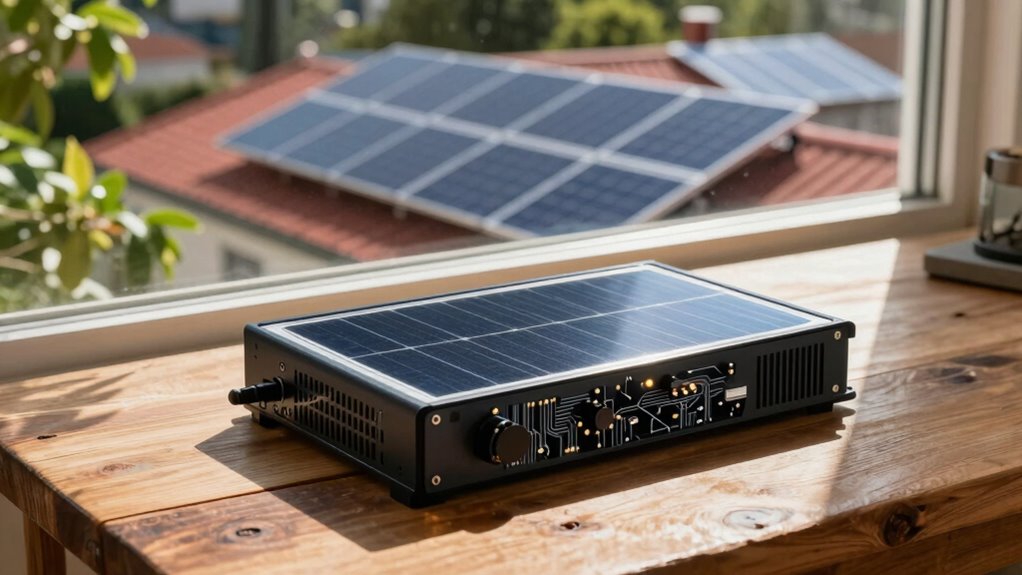
When you’re investing in solar energy, choosing the right charge controller can make a significant difference. Oversized solar charge controllers often get a bad rap, but understanding their advantages can change your perspective. While you might worry about efficiency benefits and cost considerations, an oversized controller can actually enhance your system’s overall performance.
One of the key advantages of an oversized charge controller is its ability to improve system compatibility. If you plan to expand your solar setup in the future, having a larger charge controller can save you from the hassle of replacing equipment later. It allows for capacity planning, ensuring that your system can accommodate additional solar panels or batteries as your energy needs grow. This foresight can lead to long-term savings that far outweigh the initial investment.
An oversized charge controller enhances compatibility, allowing future expansions without the need for costly equipment replacements.
Performance optimization is another area where oversized controllers shine. They can handle fluctuations in solar input more effectively, which means your energy harvesting remains efficient even in less-than-ideal weather conditions. By managing the charge process more effectively, these controllers reduce the risk of overcharging or undercharging your batteries, which can lead to longer battery life and improved reliability. Additionally, energy efficiency can be maximized through proper controller sizing, ensuring you get the most out of your solar investment. Properly sized controllers can also mitigate issues related to system stability, especially during variable weather. Moreover, their ability to accommodate future system upgrades makes them a smart, long-term choice. Investing in an appropriately oversized controller can also help in managing peak energy production****, ensuring your system can handle rapid increases in energy flow without issues.
When considering cost, it’s important to think beyond the upfront price tag. While an oversized controller may seem like an unnecessary expense at first, the durability and flexibility it offers can translate into savings over time. You won’t have to replace components as frequently, and you’ll likely see a decrease in maintenance costs. This is particularly beneficial if you’re in an area with fluctuating energy demands.
Additionally, oversized charge controllers can maximize energy production during peak sunlight hours. If your solar panels produce more energy than your system can currently use, the controller manages this excess efficiently. This capability means you can capture and store more energy for later use, which is essential for energy independence. Considering system capacity when selecting a charge controller ensures your entire solar setup functions optimally.
oversized solar charge controller
As an affiliate, we earn on qualifying purchases.
As an affiliate, we earn on qualifying purchases.
Frequently Asked Questions
Can Oversized Solar Charge Controllers Improve Battery Lifespan?
Yes, oversized solar charge controllers can improve battery lifespan. When you use one, you often get better charge efficiency, which enhances battery performance. They regulate charging more effectively, preventing overcharging and minimizing stress on the battery. This means your batteries maintain peak health for longer periods. By ensuring a steady and appropriate charge, you’re not just boosting efficiency; you’re also protecting your investment and extending the life of your batteries.
What Are the Risks of Under-Sizing a Solar Charge Controller?
Under-sizing your solar charge controller can lead to serious issues. You risk charge controller failure, which can damage your batteries and reduce their lifespan. Insufficient capacity means your system may not handle peak energy loads, resulting in overheating and inefficient charging. You might also face overcharging, leading to battery swelling or leaks. To avoid these problems, it’s essential to choose a charge controller that matches your solar array’s output.
How Do Temperature Variations Affect Oversized Charge Controllers?
Temperature variations can considerably impact oversized charge controllers. Did you know that for every 10°C rise in temperature, a solar charge controller’s efficiency can drop by 10%? This temperature sensitivity affects performance stability, meaning your system might not operate at peak efficiency under extreme conditions. By choosing an oversized controller, you can mitigate some of this risk, ensuring better performance even when temperatures fluctuate, ultimately leading to a more reliable solar setup.
Can Oversized Controllers Handle Multiple Solar Panel Systems?
Yes, oversized controllers can definitely handle multi panel compatibility. They provide the installation flexibility you need for larger setups, allowing you to connect several solar panels without worrying about overloading the system. This versatility means you can easily expand your solar array in the future. Just make certain to check the specifications to guarantee they meet your system’s requirements, and you’ll maximize efficiency and performance with your solar energy setup.
Are There Efficiency Losses With Oversized Solar Charge Controllers?
Absolutely, oversized solar charge controllers can lead to efficiency losses. When you push power beyond the ideal output, you’re not maximizing efficiency enhancement. Instead, you might face diminished returns and potential heat generation, which can undermine cost effectiveness. So, while it seems like a smart choice, it’s essential to match your controller’s capacity with your system’s needs. Balancing size and performance guarantees you enjoy maximum benefits without unnecessary drawbacks.
Conclusion
In the grand orchestra of solar energy, oversized charge controllers can be the unexpected maestro. They might seem like a clumsy instrument at first, but they harmonize with your system’s rhythm, ensuring every ray is captured and converted. Rather than waste, they offer a safety net, a cushion against the unpredictable whims of nature. So, don’t dismiss their presence; they’re the silent guardians, ensuring your solar symphony plays on without a hitch.
Fall Picks
fall essentials
As an affiliate, we earn on qualifying purchases.