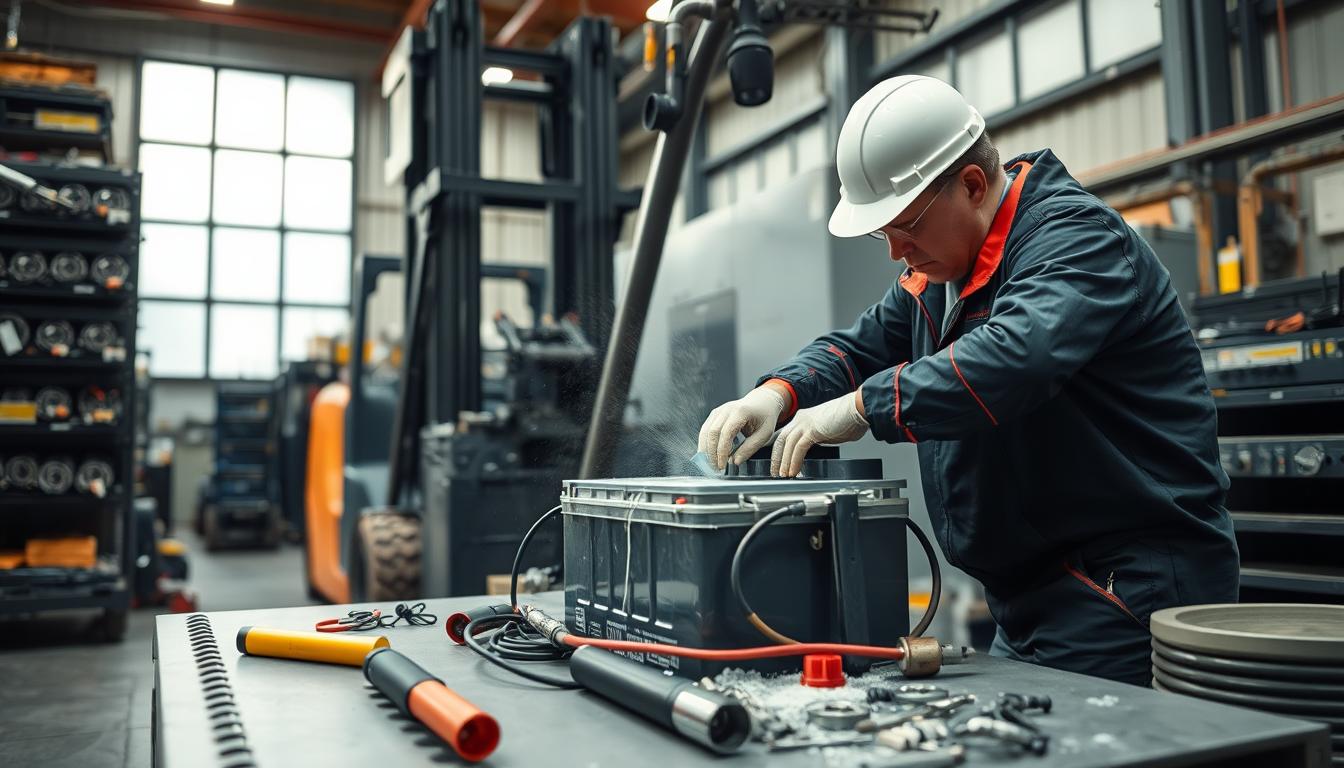
Sodium-ion batteries are a cost-effective and sustainable energy storage option, especially for large-scale applications like grid storage. They shine because sodium is abundant and inexpensive, offering an eco-friendly alternative to lithium. However, they struggle with electrolyte instability and electrode durability, which affect safety, capacity, and lifespan. Ongoing research is focused on overcoming these challenges to realize their full potential. Curious to see how these advances are shaping the future? Keep exploring.

Get backup power and energy gear delivered free — and shop member deals
- Fast, free delivery on millions of items
- Access to Prime Big Deal Days deals on October 6–7
- Prime Video, Amazon Music and more included
Key Takeaways
- Sodium-ion batteries are cost-effective and abundant, making them promising for large-scale energy storage applications.
- Electrolyte instability and electrolyte decomposition pose significant safety and longevity challenges.
- Hard carbon anodes can store sodium but suffer from lower capacity and stability compared to lithium counterparts.
- Addressing capacity fade and improving cycle life are critical areas of ongoing research.
- Advances in electrolyte formulations and durable anode materials are essential to enhance performance and safety.
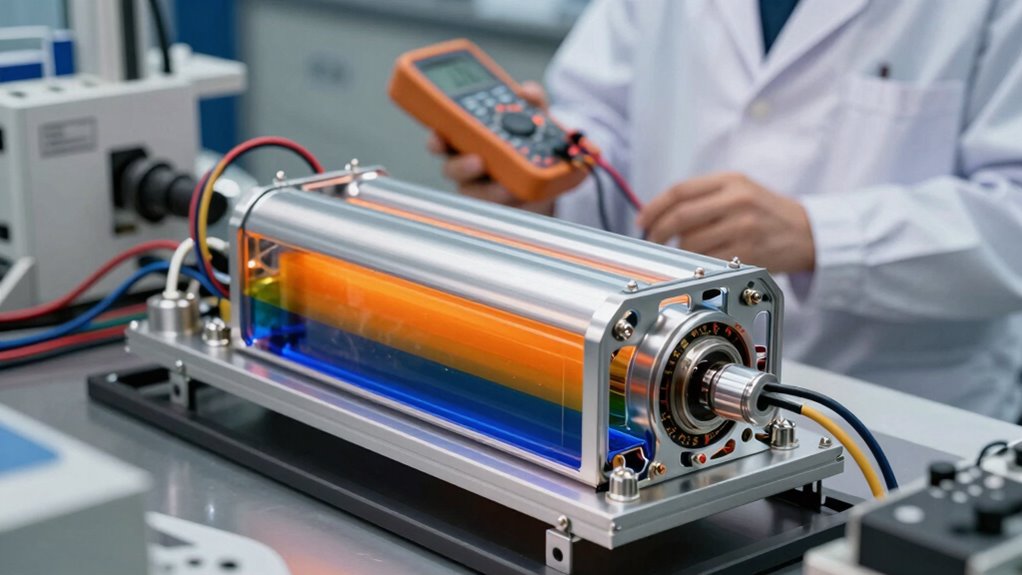
Have you ever wondered if there’s a more sustainable alternative to lithium-ion batteries? Sodium-ion batteries are gaining attention as a promising option, but they still face hurdles before they can truly compete. One of the key challenges lies in electrolyte stability. Unlike lithium, sodium is more reactive, which can cause the electrolyte to decompose or form unstable layers over time. This instability hampers battery longevity and safety, making it essential to develop electrolytes that can withstand sodium’s reactivity. Researchers are exploring new formulations and additives that enhance electrolyte stability, aiming to prevent decomposition and improve cycle life. Achieving this could make sodium-ion batteries more reliable and safer for large-scale applications.
Another critical aspect is the choice of anode materials. In lithium-ion batteries, graphite is the standard anode, but sodium ions don’t intercalate into graphite as efficiently. This means that finding suitable anode materials for sodium-ion batteries is essential. Current options include hard carbon, which can accommodate sodium ions more effectively, but it often comes with drawbacks like lower capacity and limited cycle stability. Scientists are investigating alternative anodes, such as alloying materials like antimony or phosphorus, which can store more sodium but tend to expand and contract substantially during charge and discharge cycles. This expansion can cause material degradation over time, reducing battery lifespan. Developing flexible, durable anodes that can handle these volume changes is indispensable for improving sodium-ion battery performance.
Despite these challenges, sodium-ion batteries have distinct advantages. Sodium is abundant and inexpensive, making it a more sustainable choice compared to lithium. Their potential for large-scale energy storage, especially in grid applications, makes them attractive for future energy systems. However, for sodium-ion batteries to truly shine, advancements in electrolyte stability and anode materials are essential. These improvements will help overcome current limitations, such as capacity fade and safety concerns, and enable the batteries to operate more efficiently over many cycles.
In essence, sodium-ion technology holds promise, but it’s still in the developmental stage. If researchers can optimize electrolyte formulations and identify better anode materials, these batteries could become a viable, eco-friendly alternative to lithium-ion counterparts. For now, understanding and addressing the issues related to electrolyte stability and anode materials remains the key to revealing their full potential. Additionally, the development of high-performance electrolytes is vital for ensuring operational safety and efficiency in real-world applications.
As an affiliate, we earn on qualifying purchases.
Frequently Asked Questions
How Do Sodium-Ion Batteries Compare to Lithium-Ion in Lifespan?
You’ll find sodium-ion batteries generally have a shorter lifespan than lithium-ion ones due to lower cycle stability. They typically endure fewer charge-discharge cycles before their capacity drops markedly, impacting overall battery longevity. While advancements are improving their durability, lithium-ion batteries still lead in longevity, making them more reliable for long-term use. If lifespan matters most, lithium-ion remains the better choice, but sodium-ion batteries are catching up as technology develops.
What Are the Environmental Impacts of Sodium Mining?
You should know that sodium mining has a relatively lower environmental footprint compared to lithium, but it still impacts ecosystems. Unsustainable mining practices can cause habitat destruction, water pollution, and soil degradation. However, sodium is more abundant and easier to extract, which reduces environmental pressure. To minimize harm, adopting responsible mining practices is essential, ensuring that sodium extraction remains environmentally friendly and sustainable for future use.
Are Sodium-Ion Batteries Suitable for Electric Vehicles?
Sure, sodium-ion batteries are great for electric vehicles—if you don’t mind slower charging and temperature fluctuations. While they handle rapid charging and temperature stability better than some alternatives, they still lag behind lithium-ion tech in energy density and longevity. So, if you’re dreaming of quick stops and long drives, sodium-ion batteries might not yet be your ideal match, despite their eco-friendly appeal.
What Are the Safety Concerns With Sodium-Ion Battery Use?
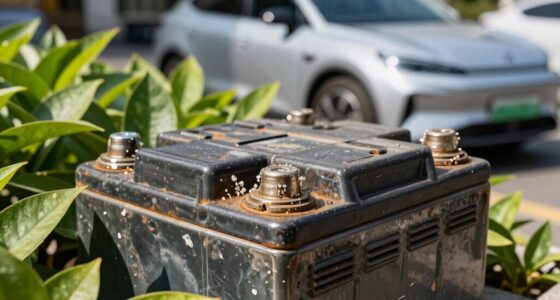
You should be aware that sodium-ion batteries pose safety concerns related to electrolyte stability, which can lead to leaks or fires. If the battery overheats, thermal runaway might occur, causing rapid temperature increases and potential explosions. Proper design and thermal management are essential to mitigate these risks. While they’re promising, understanding these safety aspects helps you handle and use sodium-ion batteries more securely.
How Cost-Effective Are Sodium-Ion Batteries Long-Term?
You’ll find sodium-ion batteries to be quite cost-effective long-term, especially when considering the cost analysis of raw materials and manufacturing. Their abundance makes them cheaper than lithium counterparts, boosting market potential in large-scale energy storage. While initial investments might be higher, their durability and lower material costs can lead to significant savings over time, making them a promising option for sustainable, affordable energy solutions.
Conclusion
So, as you explore sodium-ion batteries, you’ll notice they shine in affordability and abundance—like stumbling upon a hidden gem. Yet, just when you think they’re perfect, technical challenges pop up unexpectedly, reminding you that no technology is flawless. It’s almost like discovering that sometimes, the most promising innovations come with a few surprises. Keep an eye on their progress; who knows, maybe one day they’ll surprise us all, just when we least expect it.
Fall Picks
fall essentials
As an affiliate, we earn on qualifying purchases.