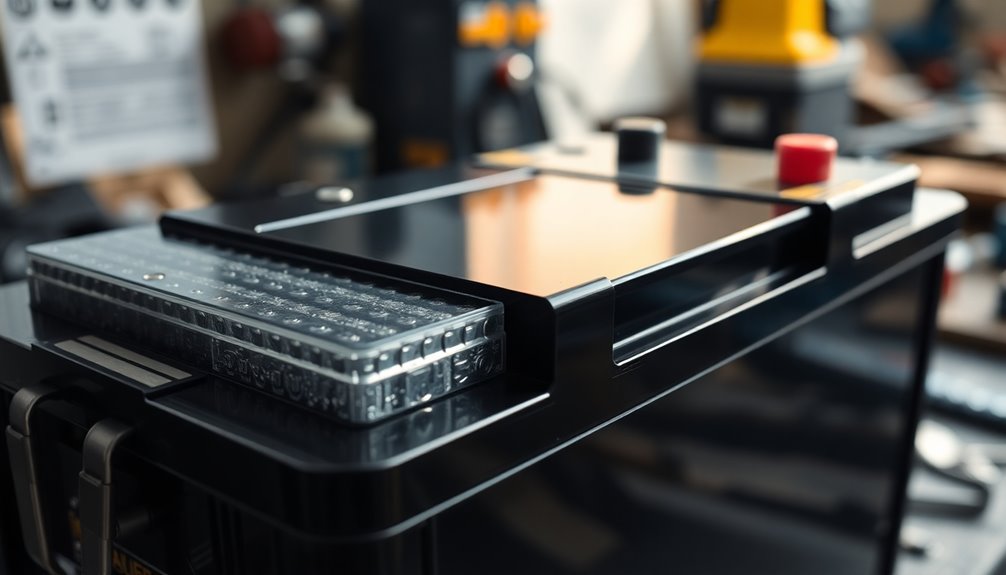
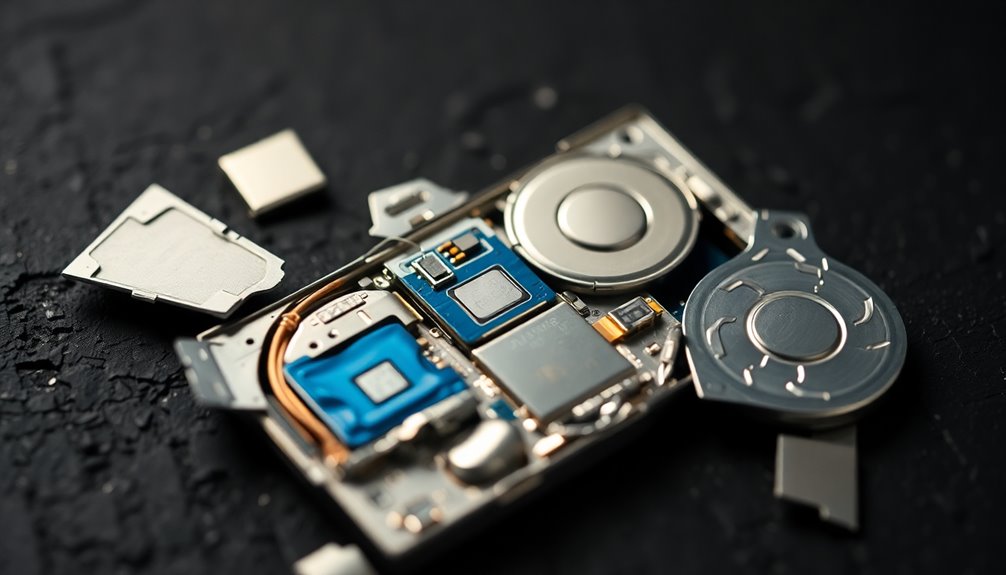
Lithium titanate batteries claim a “10x cycle life” because their robust chemical structure and high thermal stability enable them to endure many more charge and discharge cycles than standard lithium-ion batteries. They resist heat buildup and maintain performance over time, making them safer and more durable for demanding applications. This longevity reduces replacement costs and increases reliability. To discover how this innovative technology achieves such impressive durability, keep exploring the details behind their design and benefits.

Get backup power and energy gear delivered free with Prime
- Fast, free delivery on millions of items
- Prime Video, Amazon Music and more included
- Member-only deals all year
Key Takeaways
- Lithium titanate batteries have a chemical structure that allows for significantly more charge-discharge cycles, supporting the ‘10x cycle life’ claim.
- Their high thermal stability reduces degradation caused by heat, extending overall battery lifespan.
- The robust chemical composition prevents capacity loss over repeated cycles, ensuring long-term performance.
- Reduced heat generation during use minimizes wear and tear, contributing to increased cycle longevity.
- Their durability and resistance to degradation make them suitable for demanding applications, justifying the extended cycle life claim.
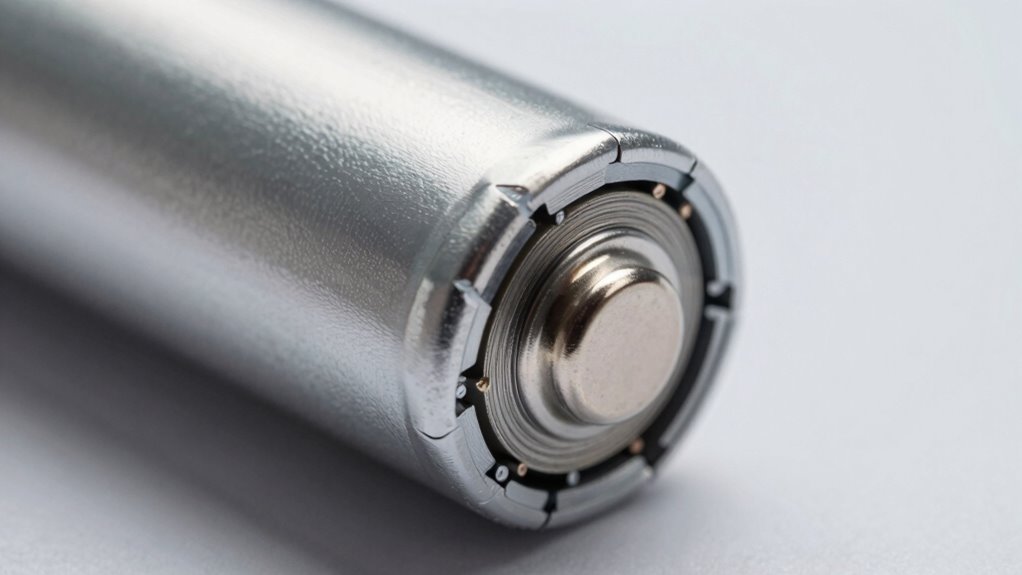
Have you ever wondered how lithium titanate batteries stand out from other energy storage options? One of their most impressive features is their ability to handle fast charging without compromising safety or performance. Unlike traditional lithium-ion batteries, which can become unstable or degrade rapidly when charged too quickly, lithium titanate batteries excel in this area. Their unique chemistry allows them to accept high current loads, enabling rapid charging times that can be completed in minutes rather than hours. This makes them ideal for applications where quick turnaround times are essential, such as public transportation, emergency backup systems, and grid stabilization. You don’t have to worry about the heat buildup that typically accompanies fast charging with other batteries. Lithium titanate’s thermal stability is a key advantage here, as it resists overheating during rapid charge and discharge cycles. This stability ensures safer operation, reduces the risk of thermal runaway, and extends the overall lifespan of the battery. Additionally, their ability to maintain performance under demanding conditions stems from their robust chemical structure, which supports long-term durability.
When you’re considering long-term durability, lithium titanate batteries truly shine. They are often marketed with a “10x cycle life” claim, meaning they can endure roughly ten times the number of charge-discharge cycles compared to standard lithium-ion batteries. This isn’t just a marketing gimmick; it’s rooted in their chemical structure and thermal resilience. Because they generate less heat and are more resistant to degradation, these batteries can sustain repeated use over many years without significant capacity loss. If you’re deploying energy storage solutions in demanding environments or for critical applications, this longevity can translate into lower total cost of ownership and fewer replacements. The combination of fast charging capability and high cycle life makes lithium titanate batteries a compelling choice for situations where reliability and performance are non-negotiable.
In essence, you benefit from a technology that provides rapid energy replenishment without sacrificing safety or lifespan. The thermal stability of lithium titanate batteries not only protects against overheating but also ensures consistent performance over countless cycles. This means you can charge your batteries quickly, knowing they’ll stay safe and reliable for years to come. Whether you’re managing a renewable energy system, electric vehicle fleet, or backup power, these batteries deliver a balance of speed, safety, and durability that’s hard to match. Their ability to withstand demanding conditions without deteriorating makes them a smart investment for future-proof energy solutions. By choosing lithium titanate, you’re opting for a technology that redefines what’s possible in energy storage, offering both rapid recharge capabilities and exceptional longevity.
As an affiliate, we earn on qualifying purchases.
Frequently Asked Questions
How Does Temperature Affect Lithium Titanate Battery Lifespan?
You might find that temperature substantially impacts your lithium titanate battery’s lifespan. High temperatures reduce thermal stability, accelerating degradation mechanisms like electrode wear and electrolyte breakdown. Conversely, low temperatures can hinder performance but generally cause less long-term damage. To maximize your battery’s cycle life, keep it within recommended temperature ranges, avoiding extreme heat or cold. Proper thermal management helps slow degradation and preserves overall battery health.
Are Lithium Titanate Batteries Environmentally Friendly?
You’ll be pleased to know lithium titanate batteries are considered environmentally friendly because they’re more durable, reducing waste and replacement needs. They also support battery recycling efforts, which lessen environmental impact by recovering valuable materials. Significantly, their extended lifespan means fewer batteries end up in landfills, making them a sustainable choice. By choosing these batteries, you help promote greener energy solutions and minimize ecological footprints.
What Are the Safety Considerations for Lithium Titanate Batteries?
You should know that lithium titanate batteries are safer due to their thermal stability, which reduces the risk of overheating. They’re less likely to catch fire or experience thermal runaway, making fire hazards minimal. However, you ought to still handle them with care, avoid physical damage, and make certain proper cooling systems are in place. Regular maintenance and following manufacturer guidelines help maximize safety and prevent potential issues.
How Do Lithium Titanate Batteries Perform in Cold Climates?
You might be surprised to find that lithium titanate batteries excel in cold weather, maintaining high performance where other batteries falter. Unlike typical lithium-ion batteries, they experience minimal performance decline in cold climates, ensuring reliable power even in freezing temperatures. This resilience makes them ideal for cold environments, giving you peace of mind that your energy source remains steady, no matter how harsh the weather gets.
Can Lithium Titanate Batteries Be Recycled Effectively?
Yes, lithium titanate batteries can be recycled effectively through specialized battery recycling processes. You should know that recycling reduces environmental impact by recovering valuable materials like lithium and titanium, minimizing waste and pollution. Proper recycling guarantees these batteries are disposed of responsibly, preventing harmful chemicals from contaminating ecosystems. By supporting efficient battery recycling, you help protect the environment and promote sustainable use of resources.
Conclusion
While lithium titanate batteries promise a tenfold cycle life, remember that longevity isn’t everything. You might enjoy fewer replacements, but the higher cost and lower energy density mean you’re trading convenience for endurance. It’s like choosing between a marathon runner’s stamina and a sprinter’s speed—you get more miles, but at what expense? Ultimately, understanding these trade-offs lets you make smarter decisions about your energy choices, balancing durability with practicality.
Fall Picks
fall essentials
As an affiliate, we earn on qualifying purchases.