Before shipping batteries for recycling, thoroughly inspect each pack for damage like swelling, leaks, or corrosion, and isolate any hazardous units immediately. Discharge batteries to safe levels or cover terminals with insulative tape to prevent accidental contact. Use proper, labeled containers made from non-conductive materials to pack batteries securely and prevent short circuits. Make certain your packaging complies with transportation regulations for hazardous materials. Continuing with these steps ensures safety and smooth handling through the recycling process.

Get backup power and energy gear delivered free with Prime
- Fast, free delivery on millions of items
- Prime Video, Amazon Music and more included
- Member-only deals all year
Key Takeaways
- Inspect batteries thoroughly for damage such as swelling, leaks, or corrosion, and isolate or dispose of damaged units immediately.
- Discharge batteries to a safe level or insulate terminals with tape to prevent accidental contact or short circuits.
- Package batteries in designated, sturdy, leak-proof containers labeled clearly with chemistry and hazard information.
- Use compatible, non-conductive materials and arrange batteries by chemistry and voltage to prevent dangerous reactions.
- Ensure packaging and labeling comply with transportation regulations for hazardous materials, and verify carrier protocols.
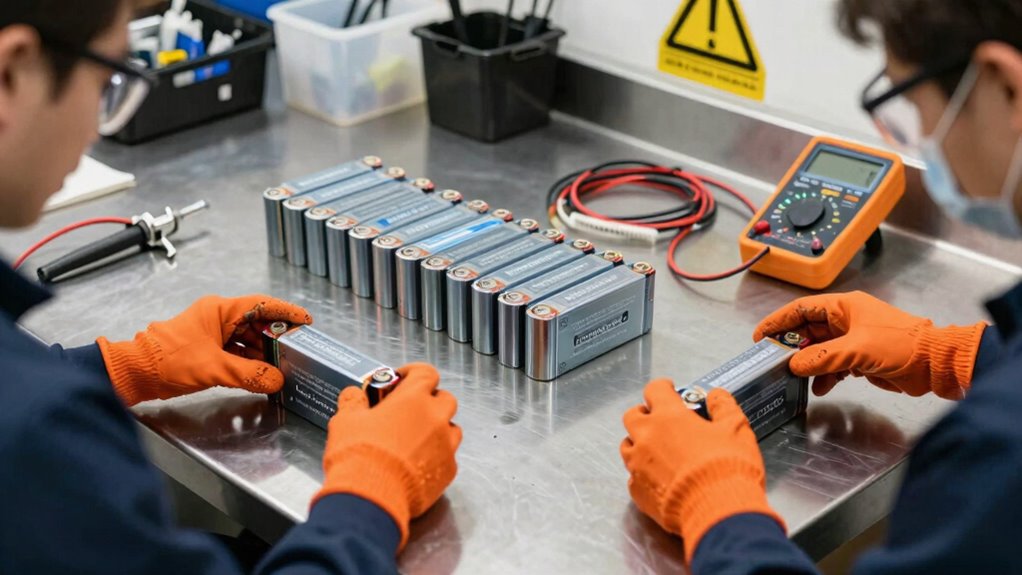
Are you ready to recycle your batteries responsibly? Proper preparation is vital to guarantee safety and compliance during the recycling process. First, you need to understand the importance of battery safety and adhering to recycling standards. Batteries, especially lithium-ion and other rechargeable types, can pose significant risks if not handled correctly. They can overheat, leak hazardous chemicals, or even catch fire if damaged or improperly packed. That’s why guaranteeing they meet strict safety protocols before leaving your site is essential.
Start by inspecting each battery thoroughly. Look for signs of damage, such as swelling, corrosion, leaks, or broken casings. Damaged batteries are more prone to safety hazards and should be isolated immediately. For intact batteries, check the manufacturer’s specifications and safety data sheets to understand proper handling requirements. When collecting batteries for recycling, always wear appropriate personal protective equipment—gloves, goggles, and protective clothing—to prevent exposure to harmful substances.
Inspect each battery for damage and wear before handling to ensure safety and proper recycling.
Next, arrange the batteries according to their chemistry and voltage. Mixing different types or sizes can lead to dangerous reactions during transport or storage. Use designated containers that are compatible with battery materials, guaranteeing they are sturdy, leak-proof, and clearly labeled. Many recycling standards mandate the use of approved packaging to prevent short circuits or accidental activation. It’s wise to use non-conductive materials like plastic or specially designed battery containers that prevent contact between terminals.
Before packing, discharge batteries to a safe level if possible, following recommended procedures. This reduces the risk of thermal runaway or fire during transportation. If discharging isn’t feasible, ensure the terminals are insulated or taped over to prevent accidental contact. Label each pack with clear information about the battery type, quantity, and any known hazards. Proper labeling helps recycling facilities handle your batteries safely and efficiently.
Additionally, understanding battery chemistry and associated risks enhances the safety measures you implement during preparation. Proper labeling and documentation are essential to facilitate safe handling and regulatory compliance. Proper labeling helps recycling facilities handle your batteries safely and efficiently. When your batteries are packed and ready, confirm that transportation complies with all relevant regulations for hazardous materials. This includes using certified carriers and following shipping protocols for dangerous goods.
battery safety and recycling containers
As an affiliate, we earn on qualifying purchases.
As an affiliate, we earn on qualifying purchases.
Frequently Asked Questions
What Are the Legal Requirements for Battery Recycling Facilities?
You need to follow legal requirements for waste disposal and record keeping at battery recycling facilities. This includes properly handling hazardous materials, complying with local, state, and federal regulations, and maintaining detailed records of waste disposal procedures. Ensuring proper documentation helps demonstrate compliance and supports safety standards. Regular audits and training are also essential to stay up-to-date with evolving laws and to prevent violations.
How Can I Identify Hazardous Battery Types Before Recycling?
You can identify hazardous battery types through hazardous identification and proper battery classification. Start by examining labels and markings for hazard symbols and classification codes like UN numbers. Check manufacturer datasheets and safety data sheets (SDS) for specific hazard information. Additionally, look for signs of damage, leaks, or swelling. Proper training in battery classification helps you distinguish between hazardous and non-hazardous batteries, ensuring safe handling and recycling.
What Safety Gear Is Recommended During Battery Prep?
Imagine you’re a modern knight prepping for a quest—grab your personal protective equipment like gloves, safety goggles, and a face shield to shield against sparks or leaks. Wear flame-resistant clothing and sturdy gloves, and verify you follow emergency response protocols in case of a battery breach. This gear keeps you safe from hazardous spills or fires, letting you handle batteries confidently while minimizing risks during prep.
How Should I Handle Damaged or Leaking Batteries?
When handling damaged or leaking batteries, you should wear proper safety gear and avoid direct contact. Store the batteries in a secure, well-ventilated area, using leak-proof containers to prevent spill spread. Focus on leak prevention by isolating the damaged batteries from others and monitoring for further leaks. Proper battery storage and careful handling help minimize risks, ensuring safety during transport and recycling processes.
What Training Is Necessary for Staff Involved in Battery Prep?
You need to guarantee your staff involved in battery prep receive proper training in battery handling and staff certification. This training covers safe handling procedures, recognizing hazards, and emergency response. Certified staff are better prepared to manage damaged or leaking batteries safely. Regular refresher courses are essential to keep everyone updated on safety protocols, reducing risks and ensuring compliance with safety standards during battery recycling processes.
Conclusion
By properly preparing your batteries for recycling, you help prevent fires and environmental harm. Did you know that over 85% of lithium-ion batteries could be safely recycled if handled correctly? Taking these simple steps guarantees your site stays safe and compliant. Remember, a proactive approach not only protects your team but also contributes to a greener planet. So, stay vigilant and make battery safety a top priority before they leave your site.
Halloween Picks
halloween
As an affiliate, we earn on qualifying purchases.