
Performing a quick 60-second alternator test helps you catch charging problems early, saving you from being stranded and calling a tow truck. Start your engine, turn on high electrical accessories, and observe if lights flicker or dim. Then, use a multimeter to check the voltage; it should be between 13.8 and 14.4 volts. If your readings are off, your alternator might be failing. Keep going, and you’ll discover more simple ways to keep your vehicle running smoothly.
Key Takeaways
- A quick 60-second test can identify alternator issues before complete failure occurs.
- Monitoring voltage during the test helps determine if the alternator is delivering proper power.
- Turning on accessories increases load, revealing potential alternator weaknesses.
- Voltage below 13.8 volts indicates the alternator may need repair or replacement.
- Early detection through this test can prevent unexpected breakdowns and costly tow truck calls.
Testing your alternator is a essential step to guarantee your vehicle’s electrical system functions properly. Your alternator plays a key role in keeping your car’s battery charged and powering necessary components like your lights, radio, and ignition system. If it fails, your vehicle can break down unexpectedly, leaving you stranded. That’s why knowing how to quickly assess whether your alternator is working correctly can save you a lot of trouble—and potentially prevent a tow truck call.
One of the first things to check is your battery health. A weak or declining battery can mimic the symptoms of a failing alternator, so it’s important to rule out battery issues first. If your battery is old, shows signs of corrosion, or doesn’t hold a charge well, it might be the culprit rather than the alternator. Warning signs of a bad alternator often overlap with those of a poor battery, so paying close attention to these signs can help you identify the root cause early. Common warning signs include dimming headlights, dashboard warning lights, or a slow engine crank. If you notice your vehicle’s electrical components flickering or if your battery warning light suddenly illuminates, it’s time to perform a quick test.
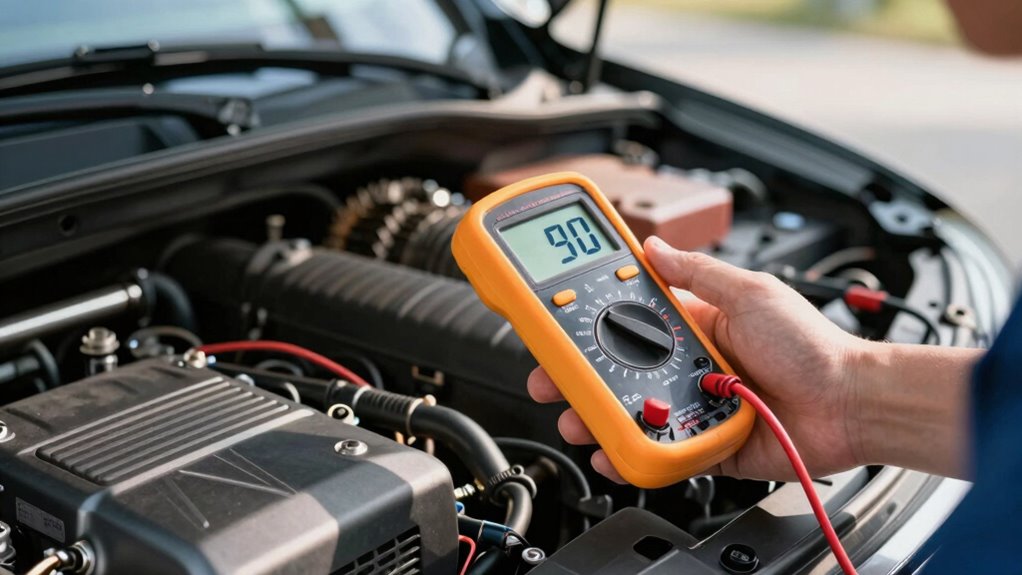
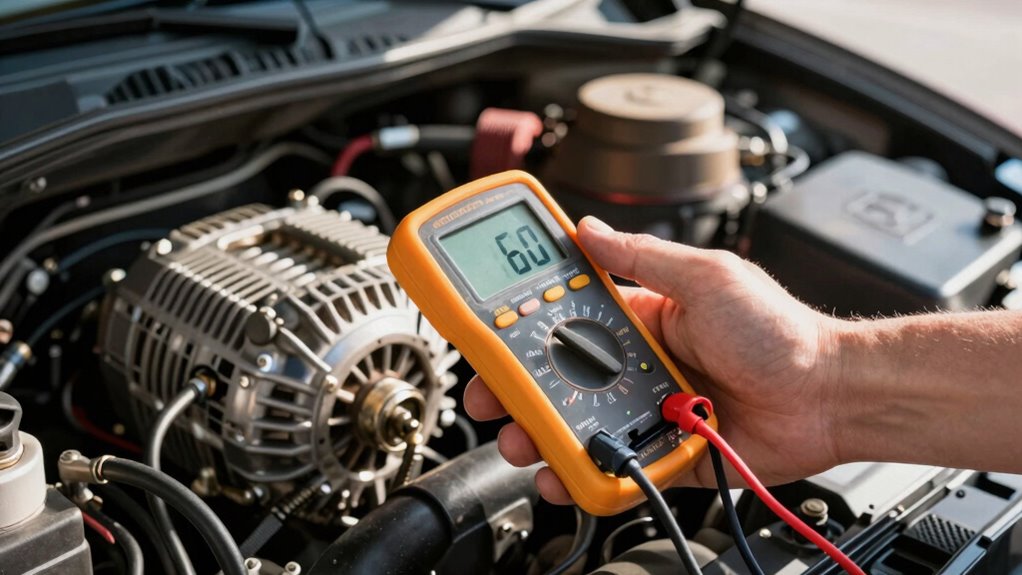
To perform a simple 60-second alternator test, start your engine and observe your dashboard. With the engine running, turn on high-consuming electrical accessories like the headlights, radio, and windshield wipers. If these accessories dim noticeably or flicker, it indicates the alternator might not be providing enough power. You can also check the voltage with a multimeter—set it to DC volts and place the probes on your battery terminals. A healthy charging system should read between 13.8 and 14.4 volts. If it falls below this range, your alternator may be failing to charge the battery properly, and you’ll want to get it checked out immediately. Additionally, regular electrical system checks can help catch issues early before they become serious.
Keep in mind that warning signs of alternator failure don’t always appear in a predictable order, so trust your instincts and pay attention to odd electrical behaviors. If your vehicle stalls or the battery warning light stays on after starting, that’s a clear sign that you need to investigate further. Regularly testing your alternator, especially if your car is older or if you’ve noticed warning signs, can help you catch issues early. This quick check can save you time, money, and the inconvenience of being stranded. Ultimately, staying vigilant about your vehicle’s electrical health ensures smooth rides and peace of mind, preventing minor problems from turning into costly repairs or roadside emergencies.

ANCEL BA101 Car Battery Tester, 12V Digital Automotive Alternator Meter Diagnostic Tool,100-2000 CCA Load Capacity, Charging & Cranking Analyzer for Truck, Boat, RV, Marine Vehicle, and More
- Early Battery Issue Detection: Identifies problems before breakdowns
- Comprehensive Battery Analysis: Displays SOH, SOC, voltage, current, CCA
- Reliable and Accurate Results: High-quality clips and smart chip ensure dependability
As an affiliate, we earn on qualifying purchases.
As an affiliate, we earn on qualifying purchases.
Frequently Asked Questions
Can I Test My Alternator Without Tools?
You can’t accurately test your alternator without tools, but you can check your battery health and electrical system manually. Look for dimming headlights, slow engine cranking, or dashboard warning lights—all signs your alternator might be failing. Turn on your car, then turn on accessories like the radio; if voltage drops markedly, your alternator may need testing. However, for a precise diagnosis, use a multimeter or seek professional help.
How Often Should I Perform This Alternator Test?
Imagine your car’s charging system as a heartbeat—steady and reliable. You should perform this alternator test every few months or if you notice battery health issues, dimming headlights, or slow cranking. Regular checks help you catch potential problems early, preventing breakdowns. Keeping an eye on your charging system guarantees your battery stays healthy, and your car runs smoothly without unexpected surprises. Stay proactive to avoid costly repairs.
What Are Signs My Alternator Is Failing?
You’ll notice signs of a failing alternator if your battery warning light appears on the dashboard or if your car’s electrical systems start acting up. Dimming headlights, difficulty starting, or flickering dashboard lights also indicate trouble. If you see these signs, it’s time to get your alternator checked soon. Addressing issues early can prevent unexpected stalls or a breakdown, saving you from costly repairs or a tow.
Will a Bad Alternator Drain My Battery?
A bad alternator is like a leaky faucet for your car’s electrical system; it can cause your battery drain over time. When your alternator fails, it doesn’t recharge your battery properly, leading to electrical issues and eventual battery depletion. This drain can leave you stranded, especially if you ignore warning signs. Regular checks and quick tests can prevent a dead battery and keep your car running smoothly.
Is This Test Suitable for All Vehicle Types?
Yes, this test suits most vehicle types, making it a useful tool in your vehicle maintenance routine. It quickly checks your alternator’s health, helping you spot potential issues early. Keep in mind, if your vehicle has unique electrical systems or is electric, you might need specialized tests or professional alternator repair. Regularly performing this quick check can prevent breakdowns and save you from costly repairs down the road.
Conclusion
By performing this quick 60-second alternator test, you can catch potential issues before they turn into costly emergencies. Think of it like a check-up for your car’s heart—simple, quick, and essential. Just as a tiny spark can ignite a fire, a small problem with your alternator can lead to a tow truck call. Stay proactive, save time, money, and hassle, and keep your vehicle running smoothly like a well-oiled machine.