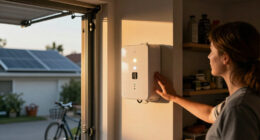
This checklist is for homeowners planning how to transfer, protect, or monitor power at home. It covers a manual transfer switch, a generator interlock kit, whole-house surge protection, a smart electrical panel, and an energy monitor, plus guidance on choosing a critical load subpanel.

Get backup power and energy gear delivered free with Prime
- Fast, free delivery on millions of items
- Prime Video, Amazon Music and more included
- Member-only deals all year
The sections follow those equipment choices, with one slot for each named pick and a separate advice-only section for the subpanel. Each section explains what the component does in a home energy setup and gives practical points to review before deciding whether it fits your system.
Use the checklist to narrow your options, then compare the product details with your electrical panel, generator, circuits, and installation requirements. Confirm model compatibility and have a qualified electrician assess panel work and installation before you buy.
Manual transfer switch
A manual transfer switch provides a defined way to select which circuits receive power from a generator during an outage. The listed pick is the Nature’s Generator 50A Manual Transfer Switch, 12-Circuit, 120/240V. Its stated amperage, circuit count, and voltage are useful starting points, but those labels alone do not establish that it will work with a particular generator or home.
Before choosing, identify the circuits you want to keep powered and check their loads, voltage, and breaker arrangement. A common mistake is treating the circuit count as a measure of how much equipment the switch can support; the actual demand and generator capacity matter too. Check how the transfer switch connects to the generator, whether the required wiring and overcurrent protection are included, and whether the installation location works for the cable route. Have an electrician verify that the switch is compatible with your service and intended circuits. Plan for how you will operate it safely during an outage, and make sure household members can understand the transfer procedure.
What to look for:
- Confirm compatibility with the generator’s output and connection.
- Check that 50A and 120/240V match the planned setup.
- List the 12 or fewer circuits you intend to transfer.
- Verify enclosure location, cable routing, and included components.
- Have an electrician review the panel and installation requirements.
Nature’s Generator 50A Manual Transfer Switch, 12-Circuit, 120/240V

This UL-listed manual transfer switch supports up to 12 circuits at 120/240V and can be configured for twelve 120V circuits or six 240V circuits. It has an indoor steel enclosure and includes a CS6375 50A inlet, inlet box, power cord, and pre-wired components for connecting a compatible portable generator.
Pros:
- Supports flexible 120V and 240V circuit configurations
- Includes a 50A inlet and power cord
- Compatible with generators using a 50A CS6375 inlet
- UL listed
Cons:
- Manual operation requires switching circuits by hand
- Rated for indoor installation
Best for: Homeowners planning generator power for selected circuits
Not ideal for: Those who have not confirmed generator and panel compatibility
Bottom line: Match the switch to the generator, service, and specific circuits before planning installation.
Generator interlock kit
A generator interlock kit is intended to coordinate generator connection with a home’s electrical panel, so panel compatibility is central to the choice. The listed pick is the 50 Amp Generator Hook-up Kit for Square D Load Center, 25 Ft Power Cor. The product name identifies a Square D load center and a 50A rating; verify the exact panel model and the complete product specifications before treating it as a match.
A frequent buying mistake is assuming that any Square D panel accepts any interlock kit. Check the load center’s model, configuration, and breaker positions against the manufacturer’s compatibility information, and verify what the truncated “25 Ft Power Cor” description includes. Confirm that the generator connection, cable, inlet, and required breakers suit the intended setup rather than relying on the headline rating alone. Interlocks affect how power enters a home’s electrical system, so installation and operation should be reviewed by a qualified electrician and comply with applicable requirements. Consider where the generator inlet will be placed and how the cable will reach it without creating a trip or exposure hazard. If the panel model cannot be confirmed, pause the purchase and get an electrician to identify it.
What to look for:
- Match the kit to the exact load center model and configuration.
- Verify the meaning of the 50A rating for your setup.
- Confirm what the 25-foot power-cord description includes.
- Check inlet placement and cable routing to the generator location.
- Have a qualified electrician review compatibility and installation.
50 Amp Generator Hook-up Kit for Square D Load Center, 25 Ft Power Cord, Power I

This generator hook-up kit includes a 25-foot heavy-duty power cord, inlet box, interlock kit, and a 50 Amp circuit breaker, enabling safe and reliable connection between a portable generator and a Square D load center. Designed for 150/200/225 Amp panels, it facilitates whole-house power during outages, with installation recommended for licensed electricians.
Pros:
- Enables safe whole-house generator connection
- Includes essential components for installation
- Heavy-duty 25-foot power cord for flexibility
Cons:
- Installation must be performed by a licensed electrician
- Variable cord length from inlet to load center not included
- Designed specifically for Square D panels, limiting compatibility
Best for: Owners of a confirmed compatible Square D load center
Not ideal for: Anyone unable to identify the exact panel model
Bottom line: Verify the panel model and included connection components before buying this kit.
Whole house surge protector
Siemens FS100 Whole-House Surge Protection Device, 100,000 A

The Siemens FS100 is a Type 2, UL/cUL 1449-listed surge protection device for residential or commercial use. It supports indoor or outdoor installation and provides audible and visual alerts for replacement needs and a compromised neutral-to-ground bond.
Pros:
- Rated for up to 100,000 A
- Compatible with any brand of load center and breakers
- Suitable for indoor or outdoor installation
- Audible and visual alerts indicate service needs and a compromised neutral-to-ground bond
Cons:
- Requires installation at a load center
- The audible alarm may sound when the device detects a fault or needs replacement
Best for: most shoppers filling this slot
Not ideal for: highly specialized needs
Bottom line: A dependable pick for this checklist slot.
Smart electrical panel
A smart electrical panel can be part of a plan to manage and monitor circuits, but its fit depends on the home’s electrical setup and the device’s documented capabilities. The listed pick is the IBox Matis MTS3 WiFi Circuit Breaker with 18-Way IP66 Waterproof Distr. The product name mentions WiFi, an 18-way distribution description, and IP66; verify the full model information and intended use before assuming those details suit an indoor or outdoor installation.
Check whether the product is a complete panel, a breaker, or a distribution enclosure, and confirm the exact number and type of circuits it supports. A common mistake is choosing based on connectivity or enclosure rating without checking service ratings, breaker compatibility, monitoring features, and installation requirements. Confirm how WiFi setup works, what network access is needed, and whether the features you want are documented for this specific model. Measure the installation area and account for wiring access, clearances, and environmental conditions. Ask an electrician to confirm the product can serve the home’s electrical service and planned loads, and to review any required approvals. If key specifications are unclear in the listing, use the manufacturer’s documentation to resolve them before purchase.
What to look for:
- Confirm the exact product type and complete model designation.
- Verify service ratings and compatibility with planned circuits.
- Check the meaning of “18-Way” and the IP66 description.
- Review documented WiFi features and network requirements.
- Confirm enclosure location, clearances, and electrician requirements.
IBox Matis MTS3 WiFi Circuit Breaker with 18-Way IP66 Waterproof Distribution Bo

The IBox Matis MTS3 is a WiFi-enabled circuit breaker available in 20A, 32A, and 63A options. It features an 18-way IP66 waterproof distribution box, suitable for outdoor and industrial applications.
Pros:
- WiFi-enabled for remote control and monitoring
- IP66 waterproof rating suitable for outdoor use
- Available in multiple current ratings (20A, 32A, 63A)
Cons:
- Limited detailed specifications in the description
- No user reviews or ratings provided
- Potential complexity in installation for non-technical users
Best for: Shoppers whose electrical needs match verified specifications
Not ideal for: Those relying on an incomplete product listing
Bottom line: Obtain the full specifications and confirm panel compatibility before selecting this product.
Energy monitor
An energy monitor can help track electrical use, so the sensor count and the circuits you want to observe are important parts of choosing one. The listed pick is the Siemens Inhab Smart Home Energy Monitor with 16 Circuit Sensors and 2. The name identifies 16 circuit sensors, but the remainder of the listing is incomplete; verify the complete model and included components before deciding whether it covers your needs.
Start by listing the circuits you want to monitor, such as major loads or groups you want to understand separately, then check whether the monitor supports the panel and circuit arrangement in your home. A common mistake is assuming the number of sensors guarantees coverage of every circuit or that the product provides a particular app, reporting feature, or integration. Confirm those features in the manufacturer’s documentation. Check how the sensors install, whether the panel has space for them, and whether setup requires a network connection or another component. Make sure the measurements and reporting meet your purpose, whether you are trying to understand whole-home patterns or observe selected circuits. Ask an electrician to review installation and sensor placement, especially if access to the panel is limited.
What to look for:
- Confirm the complete model name and what the trailing “and 2” means.
- Match the 16 sensors to the circuits you intend to observe.
- Verify panel compatibility and sensor installation requirements.
- Check documented app, network, and reporting features.
- Ask an electrician to review access, placement, and installation.
Siemens Inhab Smart Home Energy Monitor with 16 Circuit Sensors and 2 Main Senso

This energy monitor installs in compatible electrical panels to measure whole-home energy use and generation, plus usage on up to 16 individual circuits. It sends real-time and historical data to a mobile app, where users can set alerts and access features such as time-of-use management, peak demand management, and excess solar management.
Pros:
- Measures energy use directly at the main panel and individual circuits.
- Monitors up to 16 branch circuits and whole-home usage.
- Mobile app provides real-time and historical data with customizable alerts.
- Supports energy management features including peak demand and excess solar management.
Cons:
- Available for use in the United States and Canada only.
- Requires installation in an electrical panel.
Best for: Homeowners who want to monitor selected circuits
Not ideal for: Those expecting verified features from an incomplete listing
Bottom line: Confirm sensor coverage and the complete product specifications before choosing a monitor.
Critical load subpanel
A critical load subpanel is an advice-only slot because no product was provided. The useful first step is deciding which circuits matter during an outage and how you expect them to receive backup power. The circuit list could include the loads your household prioritizes, but the right selection depends on your needs, the electrical setup, and the backup source. Start with actual loads and discuss the plan with an electrician.
A common mistake is selecting a subpanel by the number of breaker spaces alone. Ask how its rating, circuit capacity, enclosure, and connection method fit the service, backup equipment, transfer equipment, and circuits you plan to move. Consider the physical location and how circuits would be routed from the existing panel. Have an electrician identify compatible equipment and confirm which circuits can be transferred safely and in accordance with applicable requirements. Make a written priority list, then review what can operate together within the backup source’s capacity. This avoids choosing a panel around a circuit count that does not reflect real household demand. Once the design is clear, compare products using the electrician’s specifications rather than choosing from an incomplete listing.
What to look for:
- Make a priority list of circuits for backup power.
- Confirm subpanel ratings and breaker compatibility with the electrician.
- Check fit with the backup source and transfer equipment.
- Review location, access, and wiring route from the main panel.
- Plan loads that may operate at the same time.
Use a budget-first buying order by addressing the core setup before optional monitoring: define the backup source and priority circuits, confirm the transfer approach and panel compatibility, then evaluate protection and monitoring products against your needs. Get complete specifications and an electrician’s assessment before committing to equipment whose model details or fit remain unclear.
You can make steady progress by starting with your existing panel information and a short list of the loads you want to support or observe. Clear requirements make it easier to compare products, avoid mismatched components, and build a home energy plan that fits your household.