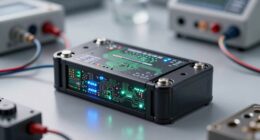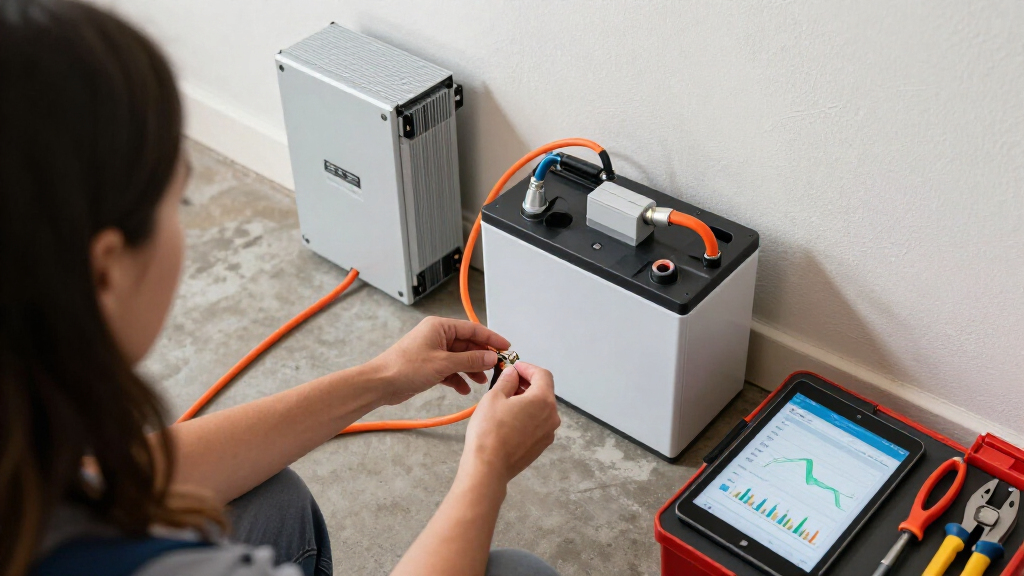

The ECO-WORTHY Powermega 30kWh Home Energy Storage System is my top pick among the best home battery energy storage systems, pairing a 10kW hybrid inverter with two UL1973-certified 48V 314Ah batteries for whole-home backup in one coordinated package. For large-capacity storage on a tighter budget, the Dawnice 40kWh stacked battery delivers the most raw kilowatt-hours per dollar, while the GROWATT 48V 100Ah 4-pack is the easiest entry point thanks to its safety certifications and modular expansion to 40kWh. The main tradeoff in this category is simple: all-in-one kits cost more upfront but avoid compatibility headaches, while separate battery-plus-inverter setups demand more planning but scale further. Cycle life, inverter sizing, and whether the batteries are rack-mounted or stacked also separate these options sharply. Read on for the full breakdown of all 14 systems.

Get backup power and energy gear delivered free with Prime
- Fast, free delivery on millions of items
- Prime Video, Amazon Music and more included
- Member-only deals all year
Key Takeaways
- Complete kits (Powermega 30kWh, WattCycle 12kW split-phase) earned the top spots because matched inverter-battery pairs eliminate the compatibility and communication issues that plague DIY builds.
- UL1973 certification appeared on only three picks (both Powermega options and the GROWATT 4-pack), and it matters most for insurance approval and grid-tie permitting — a bigger differentiator than raw capacity.
- The lineup splits cleanly into two philosophies: large stacked batteries (Dawnice 40kWh, HumsiENK 32kWh) for maximum storage density, versus modular 100Ah rack batteries you expand incrementally.
- The 48V 314Ah (16kWh) form factor dominates mid-range picks from four different brands, meaning buyers should compare BMS quality, communication protocols, and warranty support — not just price per kWh.
- Several budget entries skip the inverter entirely, so their low cost is misleading once you add a compatible 48V inverter, transfer switch, and installation labor.
| ECO-WORTHY Cubix100 48V 600Ah LiFePO4 Home Backup Power Kit with 10000W AC Inverter and V3 Rack Cabinet |  | Best Complete Whole-Home Kit | Battery Type: LiFePO4, Grade A cells | Total Capacity: 30720Wh (6 x 51.2V 100Ah rack batteries) | Inverters: 2 x 5000W pure sine wave hybrid | VIEW LATEST PRICE | See Our Full Breakdown |
| HumsiENK 48V 628Ah LiFePO₄ Battery with Bluetooth, Active Balancing, 32.15kWh, 200A BMS and LCD Monitor |  | Best High-Capacity Single Unit | Voltage: 48V | Capacity: 628Ah / 32.15kWh | Continuous Power: 10.24kW | VIEW LATEST PRICE | See Our Full Breakdown |
| Dawnice 40kWh Home Energy Storage Battery, 51.2V 206Ah LiFePO4 Stacked Battery for Solar Systems |  | Best Scalable Modular System | Battery Type: LiFePO4, Grade A cells | Voltage: 51.2V | Total Capacity: 206Ah / 40kWh (4 x 10kWh modules) | VIEW LATEST PRICE | See Our Full Breakdown |
| 48V 314Ah LiFePO4 Lithium Battery (16.07kWh) |  | Best Value Mid-Size Expansion Base | Voltage: 48V | Capacity: 314Ah / 16.07kWh | Chemistry: LiFePO4, Grade A cells | VIEW LATEST PRICE | See Our Full Breakdown |
| VPauexii 51.2V 314Ah LiFePO4 Battery with 16076.8Wh Capacity, 200A BMS, LCD Touchscreen, and Auto Fire Suppression |  | Best Safety Features | Voltage: 51.2V | Capacity: 314Ah / 16076.8Wh | BMS: 200A, with 250A breaker | VIEW LATEST PRICE | See Our Full Breakdown |
| ECO-WORTHY Powermega 48V 314Ah LiFePO4 Battery (2 Pack), UL1973 Certified |  | Best High-Capacity Expansion Play | Voltage: 51.2V (48V nominal) | Capacity: 314Ah per battery (16.07kWh) | Chemistry: LiFePO4, Grade A cells | VIEW LATEST PRICE | See Our Full Breakdown |
| ECO-WORTHY 48V Home Backup Power Kit with 10240Wh Battery and Liber 10KP 10KW Inverter |  | Best Complete Whole-Home Kit | Battery Configuration: 2 x 51.2V 100Ah LiFePO4 (10,240Wh) | Output Power: 10,000W (20,000W peak) | Output Voltage: 120V/240V split-phase or 120V single-phase | VIEW LATEST PRICE | See Our Full Breakdown |
| ECO-WORTHY 48V Home Backup Power Kit – 10240Wh LiFePO4 Battery (2x 51.2V 100Ah) with 5000W Off-Grid Inverter |  | Best Value Starter Kit | Battery Configuration: 2 x 51.2V 100Ah LiFePO4 (10,240Wh) | Inverter Output: 5,000W (10,000W peak), pure sine wave | Output Voltage: 120V (120/208/240V with parallel inverters) | VIEW LATEST PRICE | See Our Full Breakdown |
| GROWATT 48V 100Ah LiFePO4 Lithium Battery, 5120Wh Expandable to 40kWh (4 Pack) |  | Best Plug-and-Play Stack | Model: ALP 5.0L-E2 US | Voltage: 48V | Capacity: 100Ah (5,120Wh per unit), 4-pack | VIEW LATEST PRICE | See Our Full Breakdown |
| ECO-WORTHY Cubix100 48V 100Ah LiFePO4 Server Rack Battery |  | Best Modular Building Block | Voltage: 48V (51.2V nominal) | Capacity: 100Ah (5.12kWh) | Chemistry: LiFePO4, Grade A cells | VIEW LATEST PRICE | See Our Full Breakdown |
| ECO-WORTHY Solar Panel Kit LiFePO4 Energy Storage System for Home Backup |  | Best Complete Off-Grid Starter Package | Number of Panels: 6 | Panel Power: 590 W each (N-type) | Inverter Power: 10 kW hybrid | VIEW LATEST PRICE | See Our Full Breakdown |
| ECO WORTHY 10000W Complete Off-Grid Solar Panel Kit for Home with 48V 314Ah Battery |  | Best Scalable Foundation System | Power Output: 10000W continuous, 20000W peak | Output Type: 120V/240V split-phase pure sine wave | Solar Array: 5 x 590W monocrystalline (2950W total) | VIEW LATEST PRICE | See Our Full Breakdown |
| ECO-WORTHY Powermega 30kWh Home Energy Storage System with 10kW Hybrid Inverter and 2x 48V 314Ah UL1973 LiFePO4 Batteries |  | Best Certified Whole-Home Backup | System Capacity: 30 kWh+ | Battery: 48V 314Ah LiFePO4 (2 pack) | Certification: UL1973 | VIEW LATEST PRICE | See Our Full Breakdown |
| WattCycle Dual 48V 100Ah LiFePO4 Server Rack Batteries with 12kW Split-Phase Inverter |  | Best Rack-Mount Powerhouse | Battery Capacity: 48V 100Ah x2 (10.24 kWh total) | Cell Chemistry: LiFePO4 (BYD cells) | Inverter Output: 12000W, 120V/240V split-phase pure sine wave | VIEW LATEST PRICE | See Our Full Breakdown |
| home battery energy storage system | Voltage |
|---|---|
| ECO-WORTHY Cubix100 48V 600Ah | — |
| HumsiENK 48V 628Ah LiFePO₄ Bat | 48V |
| Dawnice 40kWh Home Energy Stor | 51.2V |
| 48V 314Ah LiFePO4 Lithium Batt | 48V |
| VPauexii 51.2V 314Ah LiFePO4 B | 51.2V |
| ECO-WORTHY Powermega 48V 314Ah | 51.2V (48V nominal) |
| ECO-WORTHY 48V Home Backup Pow | — |
| ECO-WORTHY 48V Home Backup Pow | — |
| GROWATT 48V 100Ah LiFePO4 Lith | 48V |
| ECO-WORTHY Cubix100 48V 100Ah | 48V (51.2V nominal) |
| ECO-WORTHY Solar Panel Kit LiF | — |
| ECO WORTHY 10000W Complete Off | — |
| ECO-WORTHY Powermega 30kWh Hom | — |
| WattCycle Dual 48V 100Ah LiFeP | — |
More Details on Our Top Picks
ECO-WORTHY Cubix100 48V 600Ah LiFePO4 Home Backup Power Kit with 10000W AC Inverter and V3 Rack Cabinet
This is the only option in this lineup that arrives as a true turnkey system — six rack batteries, two 5000W hybrid inverters, and the cabinet to house it all. Compared with the Dawnice 40kWh stack, which is batteries only, the Cubix100 saves you the work of sourcing and matching inverters to your bank. The UL9540 and UL1741 certifications matter more than they might seem: many insurers and permitting offices in California and elsewhere expect exactly this paperwork, and most budget LiFePO4 sellers can’t provide it. With 30.72kWh of storage and 10kW of combined output, this kit can carry a whole house through an outage. The tradeoff is complexity and logistics — components ship separately, and safe home integration realistically requires an electrician.
Pros:- Complete kit includes batteries, dual 5000W inverters, and rack cabinet
- UL9540, UL1741, and CEC certifications satisfy strict permitting requirements
- 30.72kWh capacity with 10000W output covers whole-home loads
- Bluetooth/WiFi app monitoring with closed-loop CAN/RS485 communication
Cons:- Items ship separately, complicating delivery and staging
- Requires professional-level electrical knowledge for safe integration
- High upfront cost typical of whole-home systems
Best for: Homeowners who want a certified, whole-home backup system in one purchase and are planning professional installation
Not ideal for: DIY beginners or apartment dwellers — this is a nine-item freight shipment that demands real installation knowledge
- Battery Type:LiFePO4, Grade A cells
- Total Capacity:30720Wh (6 x 51.2V 100Ah rack batteries)
- Inverters:2 x 5000W pure sine wave hybrid
- Combined Output:10000W, 120V AC
- MPPT Charge Controller:100A per inverter
- Communication:CAN/RS485, Bluetooth, WiFi
- Certifications:ETL UL9540, UL1741, CEC compliant
Our verdict“Buy this if you want a certified, everything-included home energy system and can hire an installer; skip it if you’re piecing together a smaller DIY setup.”
HumsiENK 48V 628Ah LiFePO₄ Battery with Bluetooth, Active Balancing, 32.15kWh, 200A BMS and LCD Monitor
Where the ECO-WORTHY Cubix100 spreads 30kWh across six rack modules, the HumsiENK packs 32.15kWh into one wall-mounted unit — fewer connections, fewer points of failure, and a cleaner install. The 3A active cell balancing is the standout spec: passive balancing, common on cheaper banks, lets cells drift out of sync over years, quietly eroding usable capacity. Active balancing keeps the pack healthy for its full 6000-cycle rating. With 10.24kW of continuous output, it can run major appliances simultaneously without breaking a sweat. The catch is everything that comes with a battery this size: freight shipping, professional installation, and a slimmed-down-but-still-substantial footprint on your wall. Unlike the Cubix100, you also need to buy an inverter separately.
Pros:- 32.15kWh in a single unit eliminates multi-module wiring complexity
- 200A BMS with 3A active balancing extends usable lifespan
- 10.24kW continuous output runs major appliances at once
- Bluetooth app and LCD screen give real-time monitoring
Cons:- Requires freight shipping and professional installation
- Higher upfront cost than smaller modular batteries
- No inverter included — additional purchase needed for a full system
Best for: Homeowners with an existing inverter who want maximum storage in a single, low-maintenance unit
Not ideal for: Renters or anyone without a suitable wall space and installer access — freight delivery and mounting are non-trivial
- Voltage:48V
- Capacity:628Ah / 32.15kWh
- Continuous Power:10.24kW
- BMS:200A with 3A active balancing
- Cycle Life:6000 cycles (80% DoD)
- Cells:EV-grade LiFePO4
- Mounting:Wall-mount, 30% slimmer than traditional systems
Our verdict“This is the pick for maximum storage in one clean wall-mounted unit, provided you already have or plan to buy a compatible inverter.”
Dawnice 40kWh Home Energy Storage Battery, 51.2V 206Ah LiFePO4 Stacked Battery for Solar Systems
The Dawnice takes the opposite approach from the HumsiENK’s single-unit design: four stackable 10kWh modules on wheels that roll into place and connect in parallel. That modularity is its strongest argument — you can start at 40kWh and grow to 80kWh later without replacing anything, which matters if you plan to add an EV or heat pump to your load. The 10-year limited warranty is longer than most in this price class (the VPauexii covers only 5 years), signaling real confidence in the 6000+ cycle cells. The 100A BMS is more modest than the 200A units in the HumsiENK or VPauexii batteries, so sustained high-output scenarios favor those alternatives. Placement is also a genuine hurdle — stacked, this system is heavy and tall, wheels or not.
Pros:- Modular design expands from 40kWh to 80kWh by adding modules
- 10-year limited warranty with lifetime tech support
- Wheels make each module movable during installation
- Grade A LiFePO4 cells rated for 6000+ cycles
Cons:- Very heavy and tall once stacked, demanding substantial floor space
- 100A BMS limits continuous output versus 200A rivals
- Inconsistent packaging (carton vs. wooden crate) noted in shipping
Best for: Households planning to expand their energy storage over time and wanting a long warranty behind the investment
Not ideal for: Tight utility rooms or anyone needing maximum continuous discharge — the 100A BMS caps output below 200A competitors
- Battery Type:LiFePO4, Grade A cells
- Voltage:51.2V
- Total Capacity:206Ah / 40kWh (4 x 10kWh modules)
- Max Expandable Capacity:80kWh (8 modules in parallel)
- Cycle Life:6000+ cycles
- BMS:100A built-in
- Warranty:10-year limited
Our verdict“Choose this if scalability and a long warranty top your list; look elsewhere if you need high continuous discharge or have limited floor space.”
48V 314Ah LiFePO4 Lithium Battery (16.07kWh)
At 16.07kWh, this unbranded 314Ah battery hits a practical sweet spot the bigger systems overshoot: enough capacity for essential-load backup, at a size one or two people can maneuver thanks to built-in handles and wheels. What separates it from cheaper 100Ah options like the GROWATT 48V 100Ah pack is headroom — up to 15 units in parallel for 241kWh means you can start small and scale without stranded hardware. The 200A BMS with six-layer protection and dual breakers on both poles gives it safety redundancy the Dawnice’s 100A BMS can’t match. The tradeoff is generality: with no brand name behind it, long-term support and warranty service carry more uncertainty than established names in this roundup.
Pros:- 16.07kWh capacity expandable to 241kWh with 15 parallel units
- 200A BMS with six-layer protection and dual breakers
- Compatible with Victron, Schneider, Growatt and other major inverters
- Handles and wheels make repositioning manageable
Cons:- Generic branding makes long-term support and resale value uncertain
- Still heavy despite mobility features
- No inverter or accessories included
Best for: Budget-conscious buyers who want big-battery capacity and parallel expandability without paying for a premium brand name
Not ideal for: Buyers who prioritize long-term manufacturer support — the generic branding means uncertain warranty service down the road
- Voltage:48V
- Capacity:314Ah / 16.07kWh
- Chemistry:LiFePO4, Grade A cells
- BMS:200A, six-layer protection
- Cycle Life:Up to 6,000 cycles at 80% SOH
- Max Parallel:15 units (241kWh)
- Communication:RS485, CAN, RS232, Bluetooth, Wi-Fi
Our verdict“A sensible mid-size pick if capacity-per-dollar and expandability matter more to you than brand backing.”
VPauexii 51.2V 314Ah LiFePO4 Battery with 16076.8Wh Capacity, 200A BMS, LCD Touchscreen, and Auto Fire Suppression
What makes the VPauexii stand out in a crowded field of similar 314Ah batteries is the built-in aerosol fire suppression canister that automatically activates above 170°C — a feature no other product in this roundup offers, and one that matters if the battery lives inside your home near living spaces. Its 10,000+ cycle rating from automotive-grade cells doubles the lifespan claims of the HumsiENK, and the LCD touchscreen plus 99%+ inverter compatibility (EG4, Victron, Sol-Ark, DEYE, and more) make integration painless. The honest tradeoff: the 5-year warranty is half of Dawnice’s 10-year coverage, and as a newer name with limited long-term field history, you’re trusting the spec sheet more than a proven track record. It’s also a heavy single unit demanding real installation space.
Pros:- Automatic fire suppression canister activates above 170°C
- 10,000+ cycle rating with automotive-grade cells for 12+ year lifespan
- LCD touchscreen plus Bluetooth/WiFi monitoring
- Closed-loop communication with 99%+ of major inverter brands
Cons:- 5-year warranty is short for a 12+ year product
- Newer brand with limited long-term field track record
- Heavy single-unit form factor requires significant installation space
Best for: Safety-focused buyers installing a battery indoors or adjacent to living areas who want redundancy beyond the BMS
Not ideal for: Warranty-driven buyers — 5 years of coverage trails the Dawnice’s 10-year guarantee for a comparable investment
- Voltage:51.2V
- Capacity:314Ah / 16076.8Wh
- BMS:200A, with 250A breaker
- Cycle Life:10,000+ cycles (80% DOD)
- Fire Suppression:12g aerosol canister, activates above 170°C
- Expandability:Up to 15 parallel units (241kWh)
- Communication:RS485, CAN, RS232, Bluetooth, WiFi
- Warranty:5 years
Our verdict“Pick the VPauexii if fire safety and cell longevity are your deciding factors; choose the Dawnice if a longer warranty gives you more confidence.”
ECO-WORTHY Powermega 48V 314Ah LiFePO4 Battery (2 Pack), UL1973 Certified
For buyers whose storage ambitions outgrow typical starter kits, this two-pack of 314Ah batteries delivers over 32kWh combined — more than triple what the GROWATT 4 Pack offers in the same footprint budget, and with headroom to scale to 241kWh across 15 parallel units. Compared with the Cubix100, the Powermega leans harder on premium engineering: a 200A BMS with active cell balancing, aerosol fire suppression, and an external two-pole breaker translate to longer bank life and an extra safety layer that matters at these energy densities. The 7-inch touchscreen surfaces cell-level data that the app-only Cubix can’t match on-device.
The tradeoff is logistical heft. Each unit ships palletized via freight, so you’ll coordinate delivery with customer service and need space for very large, heavy cabinets. This pick makes the most sense for whole-home or small-business installations where capacity per unit reduces wiring complexity.
Pros:- UL 1973 certified with a 10-year warranty for long-term bank reliability
- 16.07kWh per unit scales to 241kWh across 15 parallel batteries
- Multi-layer safety including aerosol fire suppression and active cell balancing
- 7-inch touchscreen plus WiFi/Bluetooth with cell-level data visibility
Cons:- Palletized truck freight requires delivery coordination and address accommodation
- Very large and heavy compared with standard 100Ah rack batteries
- Battery-only purchase — no inverter included, unlike the complete ECO-WORTHY kits
Best for: Homeowners or small businesses building large 48V banks who want maximum capacity per unit and cell-level monitoring
Not ideal for: Buyers wanting a simple delivered-to-door starter battery — freight logistics and sheer size make it overkill for small backup needs
- Voltage:51.2V (48V nominal)
- Capacity:314Ah per battery (16.07kWh)
- Chemistry:LiFePO4, Grade A cells
- Certification:UL 1973
- BMS:200A smart BMS with active balancing
- Parallel Expansion:Up to 15 units (241kWh)
- Connectivity:WiFi, Bluetooth, RS485, CAN
- Safety Features:Aerosol fire suppression, external two-pole circuit breaker
- Warranty:10 years
Our verdict“Buy this if you’re building a big, safety-focused 48V storage bank and want fewer, higher-capacity units instead of a wall of 100Ah modules.”
ECO-WORTHY 48V Home Backup Power Kit with 10240Wh Battery and Liber 10KP 10KW Inverter
Unlike battery-only picks such as the Powermega, this kit arrives with everything a whole-home backup needs: two 51.2V 100Ah LiFePO4 batteries plus the Liber 10KP 10,000W inverter, which folds an MPPT controller and battery charger into one chassis. That 10kW output is the standout — double the 5000W kit in the same family — enough to run well pumps, HVAC startup surges, and kitchen circuits simultaneously. The 120V/240V split-phase capability is a real differentiator, since the smaller 5000W kit only outputs 120V from a single unit.
The catch is complexity. Components ship separately, the 3-in-1 inverter demands solid electrical knowledge or a professional installer, and buyers wanting 240V from day one should confirm their configuration. Still, with expansion to 60kW and 163.84kWh, this option outgrows the GROWATT stack‘s 40kWh ceiling while staying flexible.
Pros:- UL1973 and UL1741 certified by Intertek for code-compliant installation
- 10,000W pure sine wave output with 120V/240V split-phase support
- 3-in-1 design combines inverter, dual MPPT controller, and charger
- Expands to 6 parallel inverters (60kW) and 32 batteries (163.84kWh)
Cons:- Items ship separately, requiring multiple deliveries and hands-on assembly
- Professional installation knowledge needed for whole-home integration
- Single inverter outputs only 120V — 240V requires two or more parallel units
Best for: Homeowners wanting a certified whole-home backup system with serious 240V power output and long-term expansion room
Not ideal for: DIY beginners or renters — multi-box delivery, assembly, and split-phase wiring demand professional-level installation
- Battery Configuration:2 x 51.2V 100Ah LiFePO4 (10,240Wh)
- Output Power:10,000W (20,000W peak)
- Output Voltage:120V/240V split-phase or 120V single-phase
- Waveform:Pure sine wave
- Charging:Max 200A (AC 120A / PV 200A / Hybrid 200A)
- Communication:CAN/RS485, Bluetooth, WiFi
- Certifications:UL1973, UL1741 (Intertek)
- Expansion:6 inverters (60kW), 32 batteries (163.84kWh)
Our verdict“This is the pick for buyers who want a one-brand, high-output whole-home system they can grow for a decade rather than piecing together batteries and inverters separately.”
ECO-WORTHY 48V Home Backup Power Kit – 10240Wh LiFePO4 Battery (2x 51.2V 100Ah) with 5000W Off-Grid Inverter
Where the Liber 10KP kit is built for whole-home muscle, this 5000W version targets the practical middle ground: the same UL-certified 10,240Wh battery pair, paired with a more modest 3-in-1 inverter that keeps the entry cost down. For a cabin, workshop, or essential-circuits backup, 5000W of pure sine wave output covers refrigeration, lighting, electronics, and a few heavier loads without paying for capacity you won’t use. Closed-loop CAN/RS485 communication means it plays nicely with major solar inverters, and the identical 32-battery / 163.84kWh expansion ceiling as its bigger sibling protects your upgrade path.
Compared with a portable power station, this is a different animal — separate shipments, rack mounting, and likely an electrician. And if you need 240V appliances, remember that a single unit outputs 120V only, requiring a second inverter in parallel.
Pros:- UL1973 and UL1741 certified with thermal runaway management
- 3-in-1 inverter combines pure sine wave output, 100A MPPT, and charger
- Same 163.84kWh expansion ceiling as the larger ECO-WORTHY kit
- Closed-loop communication with major solar inverter brands
Cons:- Components arrive in separate shipments requiring coordination
- Professional installation likely needed for whole-home integration
- 120V-only output from a single inverter; 240V requires parallel units
Best for: Budget-conscious buyers outfitting a cabin, garage, or essential-circuit backup who want certified components and room to grow
Not ideal for: Households running 240V well pumps or central AC on day one — a single 5000W unit can’t cover those loads without adding a parallel inverter
- Battery Configuration:2 x 51.2V 100Ah LiFePO4 (10,240Wh)
- Inverter Output:5,000W (10,000W peak), pure sine wave
- Output Voltage:120V (120/208/240V with parallel inverters)
- MPPT Controller:100A built-in
- PV Input Range:120–500V DC
- Communication:CAN/RS485, Bluetooth, WiFi
- Certifications:UL1973, UL1741 (Intertek), CEC compliant
- Expansion:6 inverters (30kW), 32 batteries (163.84kWh)
Our verdict“The smart entry point into ECO-WORTHY’s ecosystem — you give up half the inverter power of the 10KP kit but keep the full upgrade path.”
GROWATT 48V 100Ah LiFePO4 Lithium Battery, 5120Wh Expandable to 40kWh (4 Pack)
The GROWATT 4 Pack wins on installation simplicity. Where the ECO-WORTHY kits demand component matching and inverter wiring, these modules stack and connect in minutes — a genuine advantage for buyers who want storage without an installer on speed dial. The IP66 weatherproof rating is unique in this lineup: every other battery here is indoor-only, so this is the option for garages, sheds, or exterior walls. Four units deliver 20.48kWh out of the box, expandable to 40kWh with support for 10kW AC output and 15,000W of solar input.
The tradeoff is ecosystem lock-in. Unlike the ECO-WORTHY Cubix100, which speaks closed-loop to many inverter brands, these batteries are designed around Growatt’s own inverters — mixing brands sacrifices the smart features that justify the price. Freight delivery with a signature and 7–10 day transit also demands planning.
Pros:- Stackable plug-and-play design enables setup in minutes without tools
- IP66 rating allows safe outdoor or garage installation
- UL1973 and UL9540A certified with a 10-year US-backed warranty
- Supports 10kW AC output and 15,000W solar input at full expansion
Cons:- Only compatible with Growatt inverters and storage systems
- 40kWh expansion ceiling is modest for whole-home scaling
- Palletized freight delivery requires signature and 7–10 business days
Best for: Growatt-ecosystem owners and buyers who want stackable, weatherproof storage they can self-install without an electrician
Not ideal for: Households already committed to another inverter brand, or anyone planning a bank beyond 40kWh — the ceiling is far below the Cubix100’s 163.8kWh
- Model:ALP 5.0L-E2 US
- Voltage:48V
- Capacity:100Ah (5,120Wh per unit), 4-pack
- Expandable Capacity:Up to 40kWh
- Power Support:10kW AC output, 15,000W solar input
- Chemistry:LiFePO4 lithium
- Certifications:UL1973, UL9540A, FCC, UN38.3, RoHS
- Warranty:10 years with US after-sales support
Our verdict“Choose this if simplicity and outdoor placement matter more than cross-brand flexibility — just commit to the Growatt ecosystem first.”
ECO-WORTHY Cubix100 48V 100Ah LiFePO4 Server Rack Battery
If the Powermega is the big-capacity play and the GROWATT stack is the closed-ecosystem convenience play, the Cubix100 is the flexible middle: a single UL9540, UL1973, and CEC-listed 100Ah rack battery you buy in exactly the quantity your system needs. That CEC listing matters for anyone chasing California rebate eligibility — a box the GROWATT and most budget rivals don’t tick. Closed-loop CAN/RS485 communication works with major inverter brands, avoiding Growatt’s lock-in, and paralleling up to 32 units (163.8kWh) matches the largest expansion ceiling in this roundup.
The drawbacks are mostly transactional rather than technical. Amazon lists it as non-returnable, with replacement only for verified defects inside 30 days — so verify your inverter compatibility before ordering. And closed-loop monitoring features depend entirely on having a compatible inverter; mismatched brands reduce it to a dumb (if reliable) battery.
Pros:- Triple safety listing: UL9540, UL1973, and CEC for rebate eligibility
- Brand-agnostic closed-loop communication with major inverter brands
- Scales to 32 parallel units for up to 163.8kWh of storage
- Plug-and-play kit includes cables, terminal covers, and app monitoring
Cons:- Non-returnable on Amazon — 30-day replacement only for verified defects
- Closed-loop smart features require a compatible inverter to function
- Single 5.12kWh unit means larger banks require multiple purchases and rack space
Best for: DIY solar builders who already own or are choosing a compatible inverter and want to add certified capacity incrementally
Not ideal for: Buyers who want a full system in one purchase or hassle-free returns — there’s no inverter here and the no-return policy leaves no room for compatibility mistakes
- Voltage:48V (51.2V nominal)
- Capacity:100Ah (5.12kWh)
- Chemistry:LiFePO4, Grade A cells
- Certifications:UL9540, UL1973, CEC Listed
- Communication:CAN/RS485, Bluetooth, WiFi
- Max Parallel Units:32 (up to 163.8kWh)
- Mounting:Server rack, vertical mounting supported
- Warranty:10-year limited
Our verdict“The best a-la-carte battery for scalable, inverter-agnostic builds — buy exactly what you need, but confirm compatibility first since returns aren’t an option.”
ECO-WORTHY Solar Panel Kit LiFePO4 Energy Storage System for Home Backup
This kit earns its spot by bundling everything a whole-home off-grid project needs in one order: six 590 W N-type panels, a 10 kW hybrid inverter, and two 48 V 314 Ah LiFePO4 batteries totaling over 30 kWh of usable storage. Compared with the Powermega 30kWh system, which ships batteries and inverter but no panels, this option saves you the trouble of matching PV wattage to charge controller limits — a common DIY stumbling block. The N-type panel chemistry also degrades more slowly over time than the monocrystalline panels in the 10000W ECO WORTHY kit. The tradeoff is complexity: this is a multi-box, truck-delivered project, and the randomly selected inverter version means the unit that arrives may not match photos or spec expectations. Active-balancing BMS and fire-suppression modules add genuine long-term peace of mind.
Pros:- Complete matched kit eliminates compatibility guesswork between panels, inverter, and batteries
- 30+ kWh usable storage covers multi-day whole-home backup
- N-type panels offer better long-term degradation than standard monocrystalline
- Active-balancing BMS with fire suppression for long-term safety
Cons:- Inverter version is randomly selected, so appearance and features may vary from listing
- Complex installation with truck freight is beyond most DIY beginners
Best for: Homeowners going off-grid who want panels, inverter, and 30 kWh of storage sourced together with matching components
Not ideal for: Renters or anyone without truck-accessible delivery space and room for six large panels plus two wheeled battery cabinets
- Number of Panels:6
- Panel Power:590 W each (N-type)
- Inverter Power:10 kW hybrid
- Battery Type:LiFePO4, 48V 314Ah x2
- Usable Energy Storage:30+ kWh
- Cycle Life (80% DoD):9000+ cycles
- Monitoring:Bluetooth, Wi-Fi, RS485/CAN/RS232, LCD
Our verdict“Buy this if you want a one-purchase off-grid system with solar included; skip it if you already own panels or need predictable hardware.”
ECO WORTHY 10000W Complete Off-Grid Solar Panel Kit for Home with 48V 314Ah Battery
Where this kit pulls ahead of the pack is expansion headroom: the 16.1 kWh battery bank scales to 15 parallel units (241 kWh), and the 10 kW inverter itself can run six units in parallel. That makes it the strongest choice for buyers who want to start with a modest whole-home setup and grow it over years — the 30 kWh Powermega and panel-inclusive ECO-WORTHY kits offer big capacity up front but ask you to commit immediately. The 120V/240V split-phase output handles well pumps, dryers, and other 240 V loads that smaller 120 V systems can’t touch, and dual MPPT controllers push up to 200 A of charging current. The 7-inch color display and Bluetooth/Wi-Fi monitoring are more polished than the basic LCD on competing kits. The cost is a genuinely demanding install: professional wiring is close to mandatory for split-phase service.
Pros:- Massive scalability: 241 kWh battery ceiling and 6 parallel inverters
- 120V/240V split-phase output runs 240 V appliances
- 7-inch color display with Bluetooth, Wi-Fi, and PC monitoring
- Works with AGM, gel, flooded, and lithium batteries
Cons:- Professional installation strongly recommended for most buyers
- Palletized truck freight requires suitable delivery access and equipment
Best for: Buyers planning a phased build who want to start at 16 kWh and expand toward 241 kWh without replacing components
Not ideal for: Novices wiring their first system — split-phase whole-home configuration realistically requires an electrician
- Power Output:10000W continuous, 20000W peak
- Output Type:120V/240V split-phase pure sine wave
- Solar Array:5 x 590W monocrystalline (2950W total)
- Battery:48V 314Ah LiFePO4, 16.076 kWh
- Battery Scalability:Up to 15 parallel units (241 kWh)
- BMS:PACE 200A with dual breakers
- Connectivity:Bluetooth, Wi-Fi, PC, RS485, CAN
Our verdict“The pick for long-horizon builders who value expandability over maximum day-one capacity.”
ECO-WORTHY Powermega 30kWh Home Energy Storage System with 10kW Hybrid Inverter and 2x 48V 314Ah UL1973 LiFePO4 Batteries
What separates the Powermega from the otherwise similar ECO-WORTHY panel kit and the 10000W kit is UL1973 certification on the batteries — a safety standard many insurers and local permitting offices look for, and one most kits in this price class lack. Paired with a 10 kW hybrid inverter, 99.9% efficient MPPT, and both 120 V and 240 V output, it delivers genuine whole-home backup capability in a plug-and-play configuration that’s less intimidating than piecing together components. The 9000+ cycle rating means these batteries should outlast the 6000-cycle HumsiENK and Dawnice options in the same roundup. Compared with the WattCycle rack system, you get triple the storage, though the wheeled cabinet format eats more floor space than a rack mount. Expect multi-package truck delivery arriving on different days, and the same random inverter-version lottery as its sibling kit.
Pros:- UL1973-certified batteries ease permitting and insurance requirements
- 30 kWh+ capacity with 9000+ cycle LiFePO4 chemistry
- Plug-and-play setup is simpler than component-by-component builds
- Aerosol fire suppression and active-balancing BMS
Cons:- May arrive in multiple packages on different days, complicating installation scheduling
- Inverter version shipped randomly, so exterior appearance may vary
Best for: Homeowners who need certified, code-friendly batteries for permitting or insurance and want 30 kWh of backup without adding panels
Not ideal for: Buyers adding solar at the same time — panels aren’t included, unlike the ECO-WORTHY panel kit
- System Capacity:30 kWh+
- Battery:48V 314Ah LiFePO4 (2 pack)
- Certification:UL1973
- Inverter Power:10 kW hybrid
- MPPT Efficiency:99.9%
- Cycle Life:9000+ cycles at 80% DoD
- Output:Split-phase 240V / single-phase 120V
Our verdict“The strongest choice when certification paperwork matters as much as raw capacity.”
WattCycle Dual 48V 100Ah LiFePO4 Server Rack Batteries with 12kW Split-Phase Inverter
This option stands out for raw processing muscle rather than storage bulk: its 12 kW inverter and 24 kW dual-MPPT solar input outpace every 10 kW kit in this lineup, so it can absorb far larger PV arrays — a real advantage if you have generous roof space. The sub-10 ms UPS transfer also means computers and medical equipment stay on through outages without rebooting, something wheeled-cabinet kits don’t emphasize. Compared with the 30 kWh ECO-WORTHY systems, the 10.24 kWh battery bank is modest, but the ceiling is high: twenty parallel batteries reach 102.4 kWh, and BYD cells with a 100 A smart BMS and active balancing suggest careful component sourcing. The server rack form factor is the defining tradeoff — cleaner and denser than wheeled cabinets once installed, but it demands a dedicated equipment space and professional split-phase wiring.
Pros:- 24 kW solar input capacity with over 98% efficient dual MPPT controllers
- Under 10 ms UPS transfer keeps sensitive electronics running uninterrupted
- Compact rack-mount design uses space efficiently versus wheeled cabinets
- BYD cells with 100 A smart BMS and 3 A active balancing
Cons:- Modest 10.24 kWh starting capacity relative to its powerful inverter
- Rack form factor plus split-phase wiring realistically requires professional installation
Best for: Tech-minded homeowners with a utility room who prioritize big solar input and instant UPS switchover over maximum day-one storage
Not ideal for: Buyers wanting simple whole-home runtime right away — 10.24 kWh won’t carry a typical house through a long outage without expansion
- Battery Capacity:48V 100Ah x2 (10.24 kWh total)
- Cell Chemistry:LiFePO4 (BYD cells)
- Inverter Output:12000W, 120V/240V split-phase pure sine wave
- Solar Input:Up to 24000W (dual MPPT)
- UPS Transfer Time:<10 ms
- Scalability:Up to 6 parallel inverters (72 kW) and 20 batteries (102.4 kWh)
- Monitoring:Bluetooth, LCD touchscreen
Our verdict“Choose this for an expandable rack-based build with serious solar throughput; look elsewhere if you need 30 kWh on day one.”
How We Picked
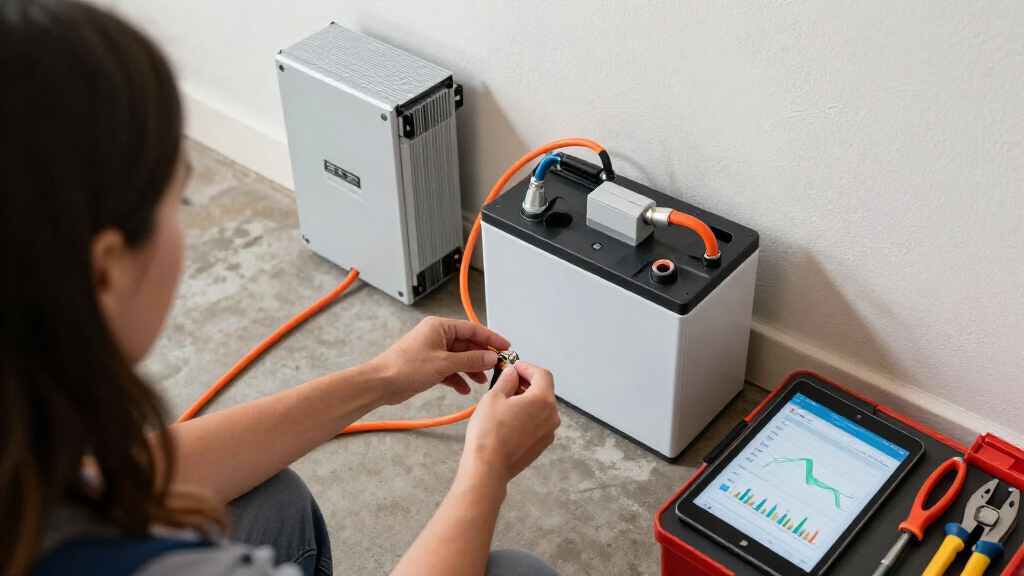
I ranked these systems on five buyer-relevant factors. Usable capacity versus household load came first: a battery that can’t run a fridge, well pump, and HVAC simultaneously isn’t whole-home backup, so I favored systems at 15kWh or above for primary recommendations. Inverter integration was next — kits with matched hybrid inverters scored higher than bare batteries, because mismatched components are the most common failure point in DIY storage builds. Chemistry safety and certification also shaped the ranking: LiFePO4 was a baseline requirement across the board, and UL1973 or UL9540A listings separated the safest picks from the rest.
From there, I weighed longevity and monitoring — cycle life ratings above 6000 cycles, active balancing, and Bluetooth/LCD monitoring all extend real-world value — and expandability, since modular rack batteries let buyers start small rather than paying for capacity they don’t need yet. Finally, I judged value as a complete system, not a battery price tag: wherever a pick excluded an inverter, I factored in what a compatible one costs to build a fair comparison. That logic is why bundled kits with certifications sit at the top and bare budget batteries sit lower despite their attractive per-kWh pricing.
Factors to Consider When Choosing Best Home Battery Energy Storage Systems
A home battery is a ten-to-fifteen-year purchase, and the mistakes that cost buyers the most money happen before a single component ships. These are the factors that actually determine whether your system performs as expected.Size Capacity to Your Real Load, Not Your Ambitions
The most common buying error is oversized batteries paired with undersized inverters — or the reverse. Start by listing the essential circuits you want to keep running during an outage and adding their running watts plus surge requirements, since refrigerators and well pumps draw far more at startup than their nameplate ratings suggest. A 10kWh battery comfortably covers lights, refrigeration, and electronics overnight, but whole-home backup with air conditioning generally needs 25kWh or more. Remember that usable capacity is lower than nameplate: most LiFePO4 systems should not be discharged below 10-20%, and cold weather temporarily reduces output. When in doubt, choose a modular system you can expand rather than a sealed stack you cannot.
Match Your Inverter to Your Battery — Or Buy Them Matched
Battery-to-inverter communication is where DIY builds most often go wrong. If the inverter cannot read the battery’s BMS over CAN or RS485, it falls back on voltage-only charging, which causes premature cutoffs, undercharging, and in some cases battery damage that voids the warranty. Complete kits avoid this entirely because the manufacturer has already validated the pairing and pre-configured the communication protocol. If you buy separately, confirm on the inverter maker’s compatibility list that your exact battery model is supported — not just the brand and voltage. Also verify that inverter surge capacity covers your largest appliance startup, since a 10kW rating with weak surge handling will still trip on a compressor load.
Certifications Affect More Than Safety
UL1973 and UL9540A listings look like technical fine print, but they gate three practical things: homeowner’s insurance coverage, utility interconnection approval, and permit sign-off. Many insurers will not cover a battery fire involving non-certified equipment, and some utilities refuse grid-tie connection for storage lacking recognized listings. If you plan any grid interaction — selling excess solar, participating in demand programs — certification is non-negotiable. Off-grid cabin setups have more flexibility, but even there, certified cells with documented BMS protection reduce fire risk in occupied structures. The cheapest batteries in this roundup skip these listings for a reason: testing is expensive, and that savings is passed to you along with the risk.
Cycle Life and Depth of Discharge Set Your True Cost
A battery’s real price is not dollars per kWh purchased — it’s dollars per kWh actually cycled over its lifetime. A 6000-cycle LiFePO4 battery at 80% depth of discharge delivers far more total energy than a 3000-cycle unit at the same nameplate capacity, effectively halving lifetime cost even if the sticker price is higher. Check whether the cycle rating assumes full discharge or a gentler partial cycle, because marketing numbers often assume ideal conditions. Active cell balancing matters here too: it keeps cells aging evenly, which is usually what determines when a pack actually fails, not the cells themselves. For daily-cycling solar setups, longevity specs matter more than for occasional outage backup, where calendar aging dominates.
Installation Reality: Rack, Stack, or Wall Mount
Physical form factor constrains where a system can live. Server-rack batteries like the Cubix and GROWATT units slide into standard cabinets, keep wiring tidy, and make expansion a matter of adding another module — ideal for garages and utility rooms. Stacked tower batteries pack more capacity into a smaller footprint but are heavy, often requiring two-person installation or a pallet jack, and cannot be split across locations. Factor in weight-bearing capacity of your floor, ventilation clearance, and cable-run distance to your electrical panel, since long DC runs at 48V incur meaningful voltage drop. If installation labor is in your budget, get quotes before buying — some electricians charge substantially more to integrate piecemeal components than pre-engineered kits.
Solar-Ready or Backup-Only: Decide Before You Buy
Buyers frequently buy a backup battery, then discover a year later they want solar charging — only to find their inverter can’t accept PV input or lacks MPPT charge control. Hybrid inverters solve this by combining solar charge control, battery management, and grid interaction in one unit, and they cost only moderately more than plain off-grid inverters. If rooftop or ground-mount solar is even a possibility within five years, buy the hybrid inverter now and add panels later; upgrading inverters after the fact means rewiring and rebuying. Conversely, if you only want outage insurance with grid or generator charging, a simpler inverter saves money and complexity. The kits in this roundup that bundle panels assume you’ve already made this decision in the bigger direction.
Frequently Asked Questions
Can I mix battery brands in one 48V system?
Technically it’s possible, but it’s a bad idea in practice. Batteries from different manufacturers have different internal resistance, BMS cutoff thresholds, and cell ages, so they charge and discharge unevenly — the older or weaker pack drags down the array and can trigger repeated BMS protection events. Parallel-connected mismatched packs also confuse inverters that rely on BMS communication, since protocols differ between brands even when both use CAN bus. If you must expand an existing system, add identical models with matching firmware, and connect packs that entered service within a few months of each other. Otherwise, plan your eventual capacity up front and buy a modular system from a single product line, which is exactly why the GROWATT and ECO-WORTHY rack batteries exist.
How much of a 30kWh system is actually usable during an outage?
Plan on roughly 80-85 percent of nameplate as a realistic floor. Most LiFePO4 systems reserve 10 percent at the bottom to protect cell life, and inverter conversion losses eat another 5-10 percent depending on load. Cold temperatures — anything below freezing — temporarily reduce deliverable capacity further, sometimes by 15-20 percent until the pack warms. Surge loads matter too: a system that handles your average draw may still struggle briefly when a heat pump or well pump kicks on, so verify inverter surge ratings rather than battery capacity for those moments. The practical takeaway is that if your essential loads need 25kWh per day, a 30kWh system leaves almost no margin for a second cloudy day or an unusually heavy evening.
Is a complete kit worth the premium over buying battery and inverter separately?
For most homeowners, yes, and the premium is usually smaller than it first appears. Separate components hide costs: a quality 48V hybrid inverter, transfer switching,combiner boxes, and the cabling to tie it together can add up to most of the kit price difference before you account for labor. Kits also arrive with matched communication protocols, so the inverter reads the battery’s BMS correctly from day one — the single most common source of problems in self-sourced builds. Warranty claims are simpler too, because there’s one vendor responsible for the whole system rather than two pointing at each other. The exception is experienced off-grid builders who already own an inverter or want a specific high-end model; for them, bare batteries like the HumsiENK or VPauexii make sense.
Do these systems work during a grid outage automatically?
It depends entirely on the inverter, not the battery. Hybrid inverters with grid-tie capability typically switch to backup mode within milliseconds — fast enough that computers stay on — while basic off-grid inverters require manual switching or only run hardwired backup loads on a subpanel. If seamless whole-home transfer matters to you, confirm the inverter’s transfer switch rating and switch time before buying, because a 10kW rating is meaningless if your main panel loads exceed its transfer capacity. Also check whether the system supports charging from the grid when solar is unavailable, which some off-grid units don’t. Kits in this roundup vary widely on this point, which is a major reason the Powermega 30kWh ranks above cheaper battery-only options for whole-home buyers.
How long do LiFePO4 home batteries actually last compared to lithium-ion?
LiFePO4 chemistry is rated for 3000 to 6000-plus full cycles, which translates to 10-15 years of daily cycling before capacity drops to about 80 percent of original. That’s roughly triple the cycle life of the NMC lithium-ion chemistry used in electric vehicles and some power walls, and it comes with better thermal stability — LiFePO4 cells are far less prone to thermal runaway, which is why they dominate the stationary storage market. Calendar aging still applies, so a battery cycled rarely will still lose a few percent per year sitting on a shelf in a hot garage. Depth of discharge is the lever you control: cycling to 50 percent instead of 100 percent can noticeably extend pack life. The 15-year lifespan claims on some picks here assume moderate cycling in a temperature-controlled space, so plan ventilation and placement accordingly.
Conclusion
For most homeowners shopping the best home battery energy storage systems, the ECO-WORTHY Powermega 30kWh with 10kW hybrid inverter is the best overall choice: certified batteries, a matched inverter, and enough capacity for genuine whole-home backup without a piecemeal build. The WattCycle dual 100Ah setup with 12kW split-phase inverter is my best value pick for those who want split-phase power at a lower entry cost, while buyers chasing maximum storage per dollar should look at the Dawnice 40kWh or HumsiENK 32kWh stacks — provided they already have or plan a compatible inverter.
For beginners, the GROWATT 48V 100Ah 4-pack is the gentlest on-ramp: certified, expandable, and forgiving of capacity miscalculations because you can add modules later. The ECO-WORTHY 10kW complete solar kit serves the specific need of true off-grid living where utility power isn’t coming, and the Cubix100 rack ecosystem suits buyers who want to start small at 5kWh and grow into the full 30kWh cabinet over time. Whatever you choose, buy for the system you’ll want in five years, not just the outage you’re preparing for this winter.
Fall Picks
fall essentials
As an affiliate, we earn on qualifying purchases.