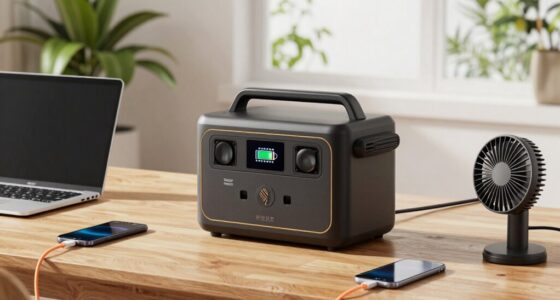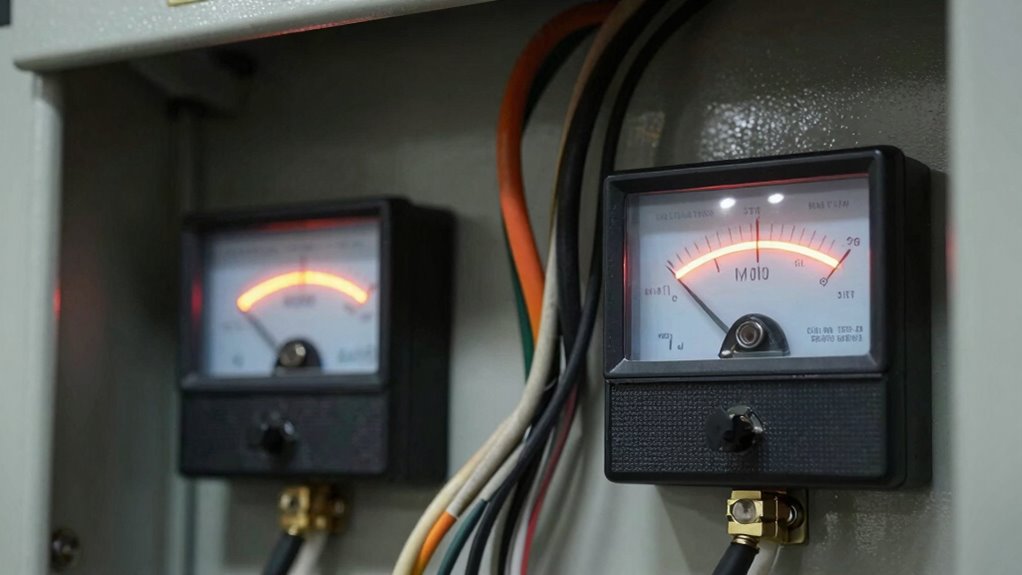
Voltage sag under load happens when your electrical system faces a sudden increase in current, often from starting heavy machinery or multiple devices at once. Wiring issues, like loose connections or corrosion, can worsen the problem, as can aging infrastructure or inadequate wiring capacity. External factors, such as utility fluctuations or peak demand times, also play a role. If you want to understand how to prevent these issues, there’s more to explore below.

Get backup power and energy gear delivered free with Prime
- Fast, free delivery on millions of items
- Prime Video, Amazon Music and more included
- Member-only deals all year
Key Takeaways
- Sudden inrush current from heavy machinery or appliances causes temporary voltage drops.
- Loose or corroded wiring increases resistance, leading to voltage dips under load.
- High-power devices drawing substantial current contribute to voltage sag.
- External grid fluctuations during peak demand can cause voltage levels to dip internally.
- Inadequate or aging infrastructure reduces system ability to maintain stable voltage under load.

Have you ever noticed your electrical devices flicker or dim when they turn on? That’s often a sign of a voltage sag, a temporary drop in voltage that occurs under load. Voltage sags can disrupt power quality and threaten the electrical stability of your system. When many devices operate simultaneously or draw a large current, the voltage supplied to your outlets can dip below normal levels. This fluctuation isn’t just a minor inconvenience; it can cause equipment to malfunction or even suffer damage over time. Understanding what causes these voltage sags helps you take steps to minimize their impact and keep your electrical system running smoothly.
One common cause is the sudden surge of current demand when heavy machinery, appliances, or electronics start up. Large motors, for example, draw a significant amount of current initially, which temporarily reduces the available voltage in the circuit. This phenomenon, known as inrush current, can create a voltage sag that affects everything connected downstream. Similarly, when multiple devices turn on at once—like during a busy morning or when running high-powered tools—the combined load can overwhelm the electrical supply, causing voltage to drop. This is especially problematic in systems with inadequate wiring or insufficient capacity, as their ability to handle load fluctuations diminishes, leading to poor power quality and reduced electrical stability.
Sudden inrush current from heavy machinery causes voltage sags and power instability.
Another factor contributing to voltage sags is poor wiring or aging electrical infrastructure. Over time, connections can become loose or corroded, increasing resistance in the circuit. Higher resistance causes voltage drops along the wiring, especially when the load increases. Inadequate grounding or improperly rated circuit components can exacerbate this issue, making the system more susceptible to voltage dips. External factors like power grid fluctuations or issues with the utility supply can also induce voltage sags, especially during peak demand periods or when the grid experiences instability. These external influences highlight the importance of a reliable power supply to maintain consistent voltage levels. Additionally, wiring conditions play a crucial role in influencing voltage stability, as poor wiring can significantly contribute to voltage drops during high load situations. Regular maintenance and upgrading of electrical components can help prevent voltage fluctuations, as well as improve overall system reliability. Moreover, power quality is essential to monitor because fluctuations can impact sensitive electronic equipment and overall system performance.
In essence, voltage sags under load happen due to a combination of load demands, wiring conditions, and external grid factors. They highlight the importance of maintaining power quality and electrical stability, ensuring your devices operate reliably and safely. By understanding these causes, you can implement solutions such as installing voltage regulators, ensuring proper wiring, or scheduling high-power tasks during off-peak hours. These steps help minimize the effects of voltage sags, protect your equipment, and keep your electrical system functioning at its best.
As an affiliate, we earn on qualifying purchases.
Frequently Asked Questions
Can Voltage Sag Damage Electrical Appliances?
Yes, voltage sag can damage your electrical appliances, especially if they’re sensitive to voltage fluctuations. When voltage drops suddenly, some appliances may not operate properly or could experience stress that shortens their lifespan. Devices like computers, medical equipment, and sensitive electronics are particularly vulnerable. To protect them, consider using surge protectors or voltage stabilizers, especially during periods of frequent voltage sags, ensuring your appliances stay safe and functional.
How Is Voltage Sag Different From Voltage Drop?
Voltage sag and voltage drop both involve decreases in voltage, but they differ in cause and scope. Voltage fluctuation refers to temporary changes in voltage levels, often caused by power instability, while voltage drop is a steady reduction in voltage as electricity travels through wiring due to resistance. You’ll notice voltage fluctuation as momentary dips, whereas voltage drops are consistent losses along the circuit, both potentially affecting your appliances.
What Industries Are Most Affected by Voltage Sag?
Ironically, industries like industrial automation and renewable integration suffer the most from voltage sag, even though they aim for efficiency. Voltage fluctuations disrupt sensitive equipment, causing downtime and costly repairs. Automation relies on stable power to function smoothly, while renewable sources can introduce variability. If you’re in these sectors, you know that a slight voltage dip can halt productivity, proving just how essential consistent power quality truly is.
Can Voltage Sag Be Completely Eliminated?
Voltage sag can’t be completely eliminated, but good voltage regulation considerably reduces its impact. You can improve power stability by investing in quality equipment like voltage regulators and uninterruptible power supplies (UPS). These devices help maintain consistent voltage levels during load changes, ensuring your operations run smoothly. While some fluctuation is inevitable, proper voltage regulation minimizes disruptions, keeping your systems stable and protected from the effects of voltage sags.
How Do Power Quality Issues Relate to Voltage Sag?
Imagine your power supply as a dramatic opera singer—sometimes hitting perfect notes, other times wailing off-key. Power quality issues, like power fluctuations and harmonic distortion, cause voltage sag by disrupting voltage stability. These issues distort the electrical signals, leading to sudden dips or sags under load. So, if you want smooth performance, you’ve got to tame these musical misfires in your electrical system.
Conclusion
In conclusion, voltage sag happens when the electrical load exceeds the supply capacity or the wiring introduces resistance—much like trying to fill a bucket with a small hole. When too many appliances turn on at once, the voltage drops, leaving your lights flickering. Think of it like a medieval well running low during a feast—your power supply simply can’t keep up with the demand, causing that brief dip in voltage.
Halloween Picks
halloween
As an affiliate, we earn on qualifying purchases.