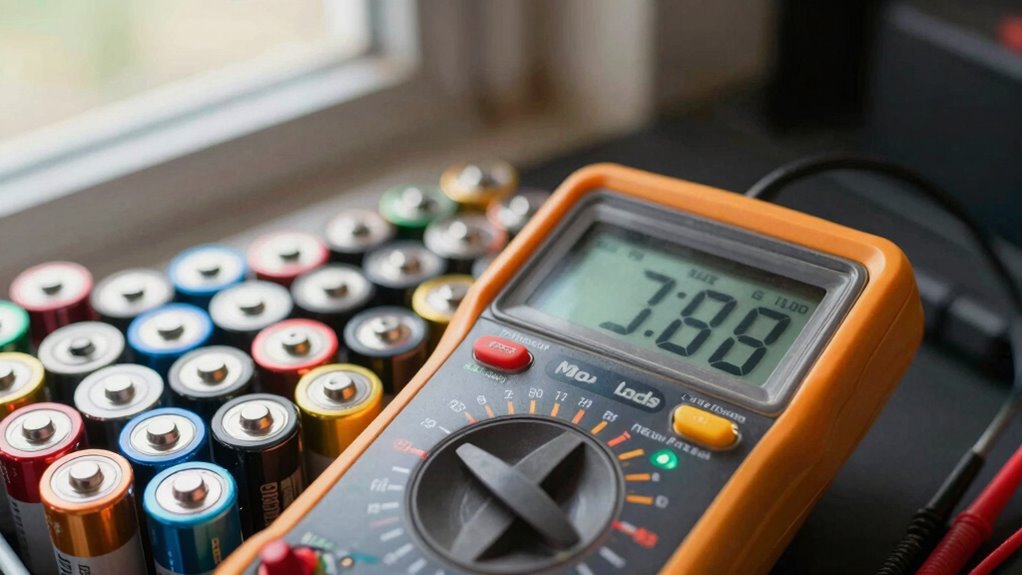

When you’re running backup loads, understanding load duration is key. This metric tells you how long your battery can keep essential devices powered during an outage. By calculating the total wattage of your devices, you can estimate battery life effectively. Different battery chemistries, like lithium-ion versus lead-acid, also impact performance and lifespan. Keeping an eye on factors such as temperature and maintenance further helps optimize usage. Discover more insights to guarantee you’re fully prepared for any power disruption.

Get backup power and energy gear delivered free with Prime
- Fast, free delivery on millions of items
- Prime Video, Amazon Music and more included
- Member-only deals all year
Key Takeaways
- Load Duration: Understanding how long a battery can sustain power output is crucial for managing backup loads effectively during outages.
- Total Wattage: Calculating the total wattage of devices helps prioritize which essential equipment to power in an emergency.
- Battery Chemistry: The choice of battery chemistry, such as lithium-ion versus lead-acid, significantly impacts load duration and efficiency.
- Temperature Effects: Monitoring temperature conditions can help optimize battery performance and longevity, ensuring reliable power during critical times.
- Maintenance and Monitoring: Regular checks on battery health and charge cycles enhance reliability and readiness for backup power situations.
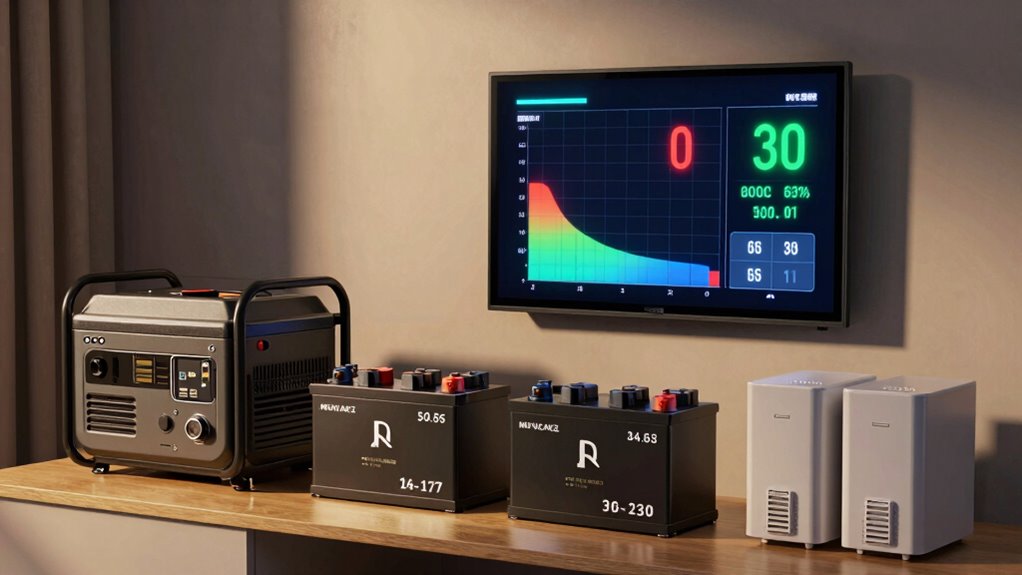
When you’re preparing for potential power outages, understanding battery metrics for backup loads can make a significant difference. One of the most important metrics to keep in mind is load duration. This term fundamentally refers to how long a battery can sustain a certain power output before it needs recharging. Knowing this helps you plan effectively for your backup needs, guaranteeing you have enough juice to keep critical devices running when the lights go out.
Different battery chemistries play an essential role in determining load duration. For instance, lithium-ion batteries tend to have a higher energy density compared to lead-acid batteries. This means they can deliver longer load durations without needing to be recharged as frequently. If you’re relying on backup power for necessary devices, it’s worth evaluating the type of battery chemistry that best suits your needs. Lithium-ion batteries might be more expensive upfront, but their longevity and efficiency often make them a better investment in the long run.
Different battery chemistries significantly impact load duration, with lithium-ion batteries offering greater longevity and efficiency than lead-acid options.
You should also think about the total wattage of the devices you plan to run during an outage. Each device has a specific power requirement, and combining these requirements gives you the total load. By knowing this number, you can better estimate how long your battery will last. For example, if your critical devices require 200 watts and you have a battery capable of providing 1,000 watt-hours, you can expect about five hours of load duration. This straightforward calculation can help you prioritize which devices to keep running during an outage.
It’s also important to evaluate how temperature affects battery performance. Extreme heat or cold can diminish a battery’s efficiency and load duration. If you live in an area with fluctuating temperatures, make sure your batteries are stored in a climate-controlled environment to maximize their lifespan and performance. Additionally, understanding battery capacity and how it varies with conditions can help you better plan for outages.
Lastly, regular maintenance checks on your backup system can’t be overlooked. Keeping track of your battery’s health, including its charge cycles and overall condition, guarantees you’ll have reliable power when you need it most. By taking these factors into account and understanding the significance of load duration in relation to battery chemistry, you’ll be much better equipped to handle any power outages that come your way. Prepare wisely, and you can assure peace of mind when the lights flicker off.
As an affiliate, we earn on qualifying purchases.
Frequently Asked Questions
How Do I Choose the Right Battery Type for Backup Loads?
To choose the right battery type for backup loads, consider lithium for its advantages like longer lifespan, faster charging, and lighter weight. These traits mean it’s often more efficient for backup purposes. On the other hand, lead acid batteries have drawbacks, such as shorter life and slower charging times, which can hinder your backup power needs. Overall, weigh your specific requirements against these traits to make the best choice.
What Is the Lifespan of Backup Batteries?
The lifespan of backup batteries typically ranges from 3 to 15 years, depending on battery chemistry and usage. To maximize your battery’s life, follow some maintenance tips: keep it charged, avoid extreme temperatures, and perform regular checks. Lead-acid batteries generally last longer if you maintain proper fluid levels, while lithium-ion batteries benefit from avoiding deep discharges. By taking these steps, you can guarantee your backup batteries serve you well for years to come.
How Can I Extend My Battery’s Life?
To extend your battery’s life, follow these battery maintenance tips: charge it regularly, avoid deep discharges, and keep it at ideal temperatures. Monitor your charging frequency; overcharging can shorten its lifespan. Use a smart charger to prevent overcharging, and periodically clean terminals to prevent corrosion. By maintaining a consistent charging routine and protecting your battery from extreme conditions, you’ll guarantee it lasts longer and performs better when you need it most.
Are There Safety Concerns With Backup Batteries?
Yes, there are safety concerns with backup batteries. You should always prioritize battery safety by following proper usage guidelines. Make certain your setup is ventilated to avoid overheating, and check for any signs of damage before use. It’s also wise to implement backup precautions, like using surge protectors and keeping batteries away from flammable materials. Regularly inspect and maintain your batteries to prevent issues and make sure they function safely when you need them most.
How Do I Properly Dispose of Old Batteries?
You wouldn’t toss your old phone in the trash, right? Well, don’t do that with batteries, either! Proper disposal methods include battery recycling programs available at local recycling centers or retailers. Many municipalities also offer special collection events for hazardous waste. Before you get rid of those old batteries, check guidelines to confirm they’re recycled correctly. It’s a simple step that helps protect our environment and public health!
Conclusion
When you’re relying on backup loads, knowing the amp-hour rating is vital—it’s like the fuel gauge in your car. It tells you how much energy your battery can deliver before needing a recharge. Think of it as your battery’s heartbeat, pulsing with the power you need to keep your essentials running. By understanding this metric, you empower yourself to make informed decisions and guarantee your backup system never skips a beat.
Halloween Picks
halloween
As an affiliate, we earn on qualifying purchases.