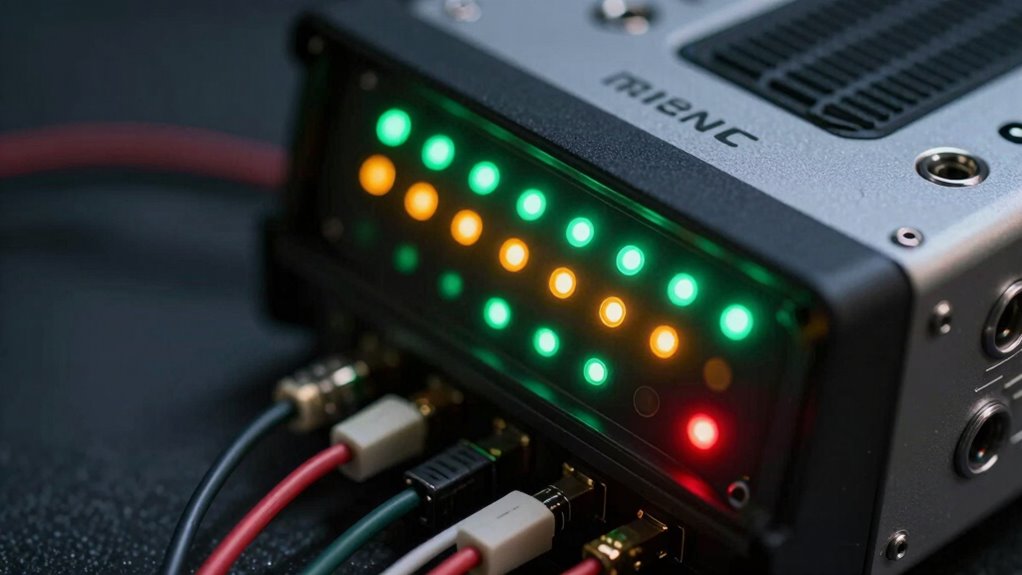

A BMS cutoff signals that your battery is reaching its safe voltage limits, warning you about overcharging or over-discharging. When the system detects these conditions, it temporarily halts charging or discharging to protect the battery’s health and prevent safety hazards like overheating or swelling. Frequent cutoffs can indicate underlying issues or aging cells. If you want to understand what these alerts mean and how to respond effectively, there’s more to explore.
Key Takeaways
- BMS cutoffs indicate the battery has exceeded safe voltage limits, signaling potential overcharging or over-discharging issues.
- Frequent cutoff events may point to aging, damage, or need for maintenance to prevent safety hazards.
- Overvoltage cutoffs warn of possible overheating risks, while undervoltage cutoffs protect against capacity loss and instability.
- BMS alerts serve as early warnings to prevent long-term damage and ensure safe, reliable operation.
- Recognizing cutoff signals allows proactive troubleshooting and proper battery care to extend lifespan.
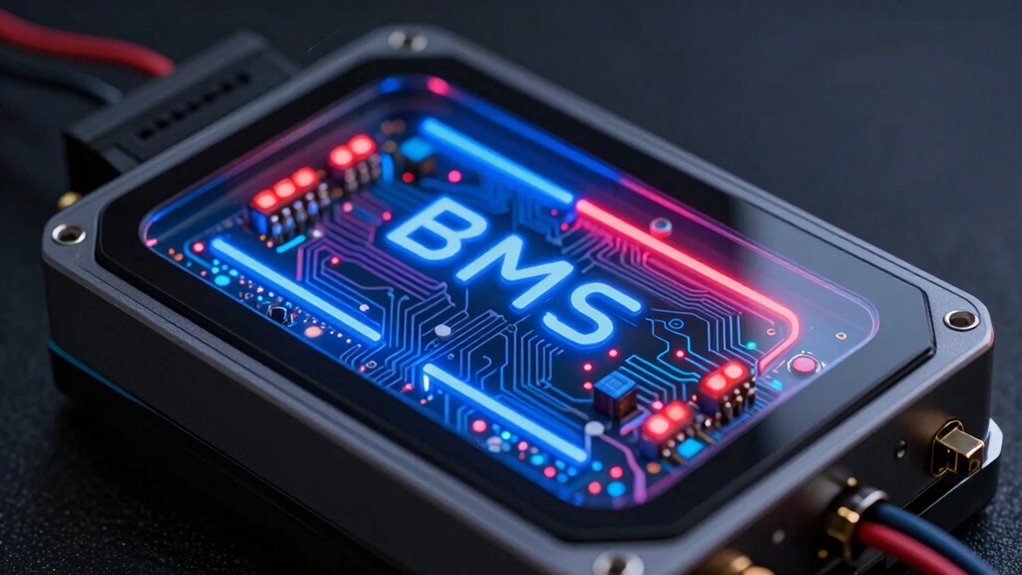
Ever wondered what BMS cutoffs are and why they matter? If you’re dealing with batteries, whether for an electric vehicle, solar power system, or portable device, understanding BMS cutoffs is essential. The Battery Management System (BMS) acts as the battery’s safeguard, constantly monitoring its health and performance. One of its key roles is enforcing voltage limits—both upper and lower—that protect your battery from damage. When these voltage thresholds are approached or exceeded, the BMS activates cutoffs to prevent potential safety hazards or long-term degradation. Properly embracing compact living means understanding your battery’s safety features to ensure reliable performance. Battery safety is a top priority, and voltage limits are central to maintaining it. Overcharging a battery—when voltage surpasses the upper limit—can lead to overheating, swelling, or even fires. Conversely, discharging below the lower voltage threshold can cause the battery to become unstable, reducing its capacity and lifespan. The BMS’s cutoff feature halts charging or discharging at these critical points, effectively preventing such dangerous scenarios. These cutoffs aren’t random; they’re precisely calibrated based on the battery chemistry and design specifications to optimize safety and performance.
When the BMS cuts off the battery, it’s trying to tell you something important. If you notice frequent or sudden cutoffs, it could indicate underlying issues like aging cells, overuse, or inadequate charging practices. For example, if your battery consistently hits its lower voltage limit, it might be time to replace or service it. On the other hand, if it’s hitting the upper voltage limit during charging, you might need to check your charger or charging cycle. Understanding these signals helps you take proactive steps to extend your battery’s lifespan and avoid costly failures.
The cutoffs also serve as an early warning system, alerting you that your battery isn’t operating within safe parameters. Modern BMS units often include indicators or alarms that notify you when a cutoff occurs, so you can investigate the cause immediately. This proactive approach not only safeguards your equipment but also protects you from potential harm. By respecting these voltage limits and paying attention to BMS alerts, you ensure that your battery remains safe, efficient, and reliable over time.
Frequently Asked Questions
How Can I Reset My BMS After a Cutoff?
To reset your BMS after a cutoff, start by performing a battery calibration to guarantee accurate readings. Then, check if a firmware update is available; updating the firmware can resolve glitches causing cutoffs. Disconnect the battery from power, wait a few minutes, and reconnect. If needed, follow the manufacturer’s instructions for a full reset. This process helps restore proper BMS function and prevents future cutoffs.
Are BMS Cutoffs Permanent or Temporary?
Did you know that nearly 60% of battery management system (BMS) cutoffs are temporary? They’re designed to protect your battery from damage caused by cutoff triggers like overvoltage or high temperature. Usually, these cutoffs aren’t permanent; once conditions stabilize, your BMS resets itself. However, some cutoffs could be permanent if the issue isn’t addressed. Always check your system to avoid risking battery failure.
Can I Bypass a BMS Cutoff Safely?
You shouldn’t bypass a BMS cutoff since it’s designed for battery safety. Bypassing can lead to unsafe conditions, risking damage or fire. Instead, focus on cutoff prevention by addressing the underlying issues like overcharging or overheating. Always follow manufacturer guidelines and consult a professional if needed. Protect your battery and yourself by respecting the BMS functions rather than trying to bypass them.
What Are Common Causes of False BMS Cutoffs?
Imagine you’re charging your e-bike, and suddenly it cuts off unexpectedly. False BMS cutoffs often happen due to voltage anomalies caused by temperature fluctuations or wiring issues. These false triggers can compromise battery safety, making you think there’s a problem when there isn’t. To prevent this, check for loose connections, ensure proper temperature regulation, and monitor voltage levels regularly. This helps keep your battery safe and functioning correctly.
How Often Should I Check My BMS for Issues?
You should check your BMS for issues at least once a month as part of regular battery maintenance. Keep an eye out for warning signals like unusual temperature changes, inconsistent performance, or error messages. Regular inspections help catch potential problems early, ensuring your battery stays safe and efficient. Don’t ignore these warning signals, and always follow the manufacturer’s guidelines for maintenance to prolong your battery’s lifespan.
Conclusion
Think of your BMS as the guardian whispering softly, warning you before the battery hits a dangerous low. When those cutoffs happen, it’s like a gentle tap on your shoulder, urging you to recharge or take care. By paying attention to these signals, you’re keeping your battery healthy—like tending a delicate plant that needs just the right amount of water. So, listen closely; your battery’s telling you it’s time to show some love.