

Starting your backup battery strategy with prioritized loads helps you maximize performance during power outages. By focusing on essential devices first, you guarantee that critical equipment stays powered, preventing rapid battery drain. This approach enhances charging efficiency and battery lifespan, allowing you to manage your energy better. It also creates a smart distribution system, so you’re prepared when the unexpected occurs. Stick around, and you’ll discover even more strategies to optimize your backup battery use.

Get backup power and energy gear delivered free with Prime
- Fast, free delivery on millions of items
- Prime Video, Amazon Music and more included
- Member-only deals all year
Key Takeaways
- Starting with loads prioritizes essential devices, ensuring critical equipment remains operational during power outages.
- It improves charging efficiency by managing power distribution effectively, preventing rapid battery drain.
- Understanding load management extends battery lifespan, enhancing overall reliability during unexpected outages.
- High-priority devices loaded first optimize charging cycles, reducing strain and promoting battery longevity.
- Effective load prioritization fosters proactive energy management strategies, maintaining battery health and performance.
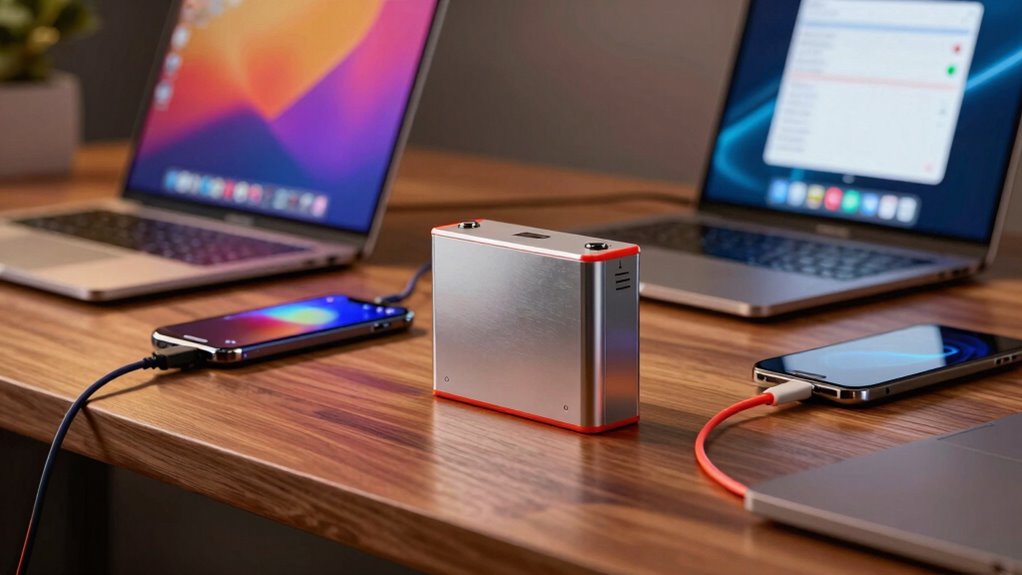
In today’s tech-driven world, a backup battery can be your lifeline during unexpected power outages. You never know when a storm or technical failure might leave you in the dark, and having a reliable backup battery can guarantee you stay connected and powered up. But have you ever thought about why it’s essential to start your backup battery content with loads? It’s all about maximizing battery longevity and enhancing your overall power management strategy.
When you begin with loads, you’re fundamentally prioritizing the devices that matter most to you. This approach not only guarantees that important equipment, like your router or medical devices, stays operational, but it also helps in improving charging efficiency. By managing the power distribution effectively, you prevent the battery from draining too quickly, allowing it to last longer when you need it the most.
Understanding how energy storage works is critical in this situation. A good backup battery can store energy efficiently, but if you don’t manage the electrical loads properly, you might find yourself running out of power just when you need it. By starting with loads, you’re ensuring that the most important devices get the energy they require first, thereby extending the overall lifespan of your battery. Additionally, proper load management aligns with efficient energy storage principles, ensuring optimal performance. Implementing smart power management techniques can further enhance how your system distributes energy and prolongs battery life.
Understanding energy storage is vital; prioritize essential devices to extend your backup battery’s lifespan and ensure reliable power when needed most.
Moreover, energy management can greatly improve your backup battery’s performance. When you load the battery with high-priority devices first, you’re guiding the charging cycle to operate within ideal parameters. This not only enhances battery longevity but also improves the charging efficiency. In simple terms, you’re creating a smart system that knows how to distribute energy where it’s most needed. Incorporating power management strategies can further optimize your system’s efficiency and lifespan.
Effective load prioritization also plays a crucial role in battery health by preventing unnecessary strain on the system and avoiding premature degradation. Proper load management can also help mitigate issues related to off-grid solar power systems, ensuring your backup remains reliable during extended outages. You don’t want to find yourself in a situation where you’ve drained your battery on less critical devices while neglecting the ones that keep your home running. By focusing on loads, you’re making a conscious effort to make sure that your backup battery performs at its best. It’s about being proactive rather than reactive.
backup battery with load prioritization
As an affiliate, we earn on qualifying purchases.
As an affiliate, we earn on qualifying purchases.
Frequently Asked Questions
How Long Do Backup Batteries Typically Last?
Backup batteries typically last between 3 to 5 years, depending on several performance factors. You’ll find that temperature, usage patterns, and maintenance can greatly impact battery lifespan. If you keep your battery in a cool, dry place and regularly check its condition, you can maximize its longevity. Regularly testing the battery’s performance will help you know when it’s time for a replacement, ensuring you’re always prepared for any power outages.
Can I Use Any Battery for My Backup System?
Think of your backup system like a ship at sea; the right battery keeps it afloat. You can’t just use any battery for your backup system. Battery selection is essential, focusing on compatibility with your system. Capacity considerations also matter—ensure the battery can handle your system’s demands. Using the wrong battery is like setting sail without a compass; it could lead to failure when you need power the most. Choose wisely!
What Maintenance Is Required for Backup Batteries?
To keep your backup batteries in top shape, follow these maintenance tips. Regularly check the battery’s water levels and top them off if needed, especially for lead-acid types. Clean the terminals to prevent corrosion, and guarantee your connections are tight. Monitor the battery lifespan and replace it as needed—generally every 3-5 years. Finally, keep your batteries stored in a cool, dry place to extend their life and efficiency.
How Do I Know When to Replace My Backup Battery?
You’ll know it’s time to replace your backup battery when you notice diminished battery performance, like shorter run times or failure to hold a charge. Watch for replacement indicators, such as a blinking light on the unit or if it’s more than three to five years old. Regularly testing your battery can help you gauge its health, ensuring your backup system works when you need it most. Don’t wait until it fails!
Are There Different Types of Backup Batteries Available?
When you picture a power outage, think of the calm reassurance a backup battery provides. There are different types available, each with unique strengths. Lead acid batteries are known for their affordability and reliability, making them a solid choice for basic needs. On the other hand, lithium ion batteries shine with their lightweight design and longer lifespan, offering higher efficiency. Choosing the right type depends on your specific power requirements and budget.
Conclusion
Just like a tree thrives in fertile soil, your backup battery performs best when it begins its journey with loads. The weight of demand nurtures its growth, allowing energy to flow like roots seeking water. When you start with a challenge, the battery learns to adapt, storing strength for future storms. So, embrace the load; it’s not just a burden but a catalyst for resilience, ensuring your battery stands tall against the winds of uncertainty.
Halloween Picks
halloween
As an affiliate, we earn on qualifying purchases.