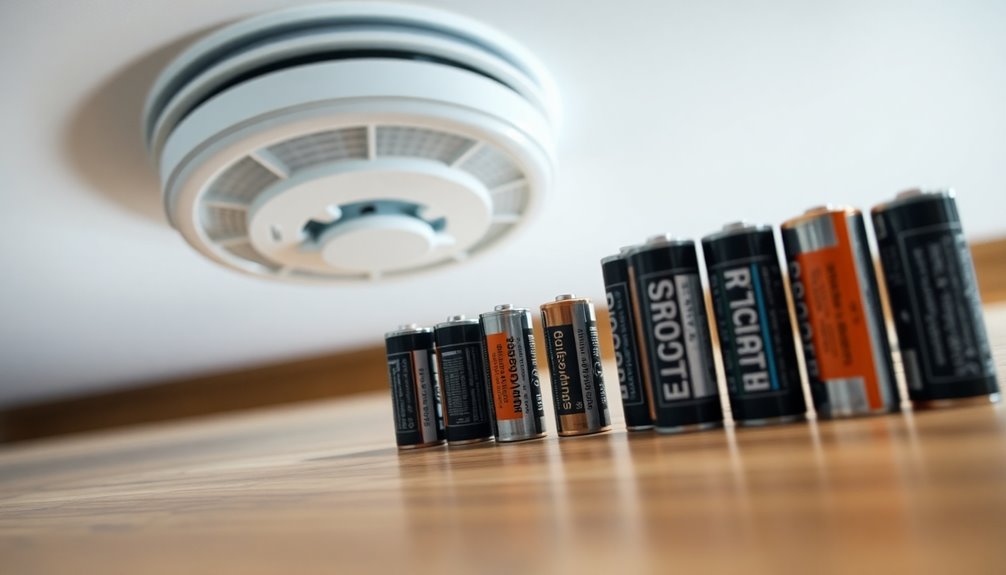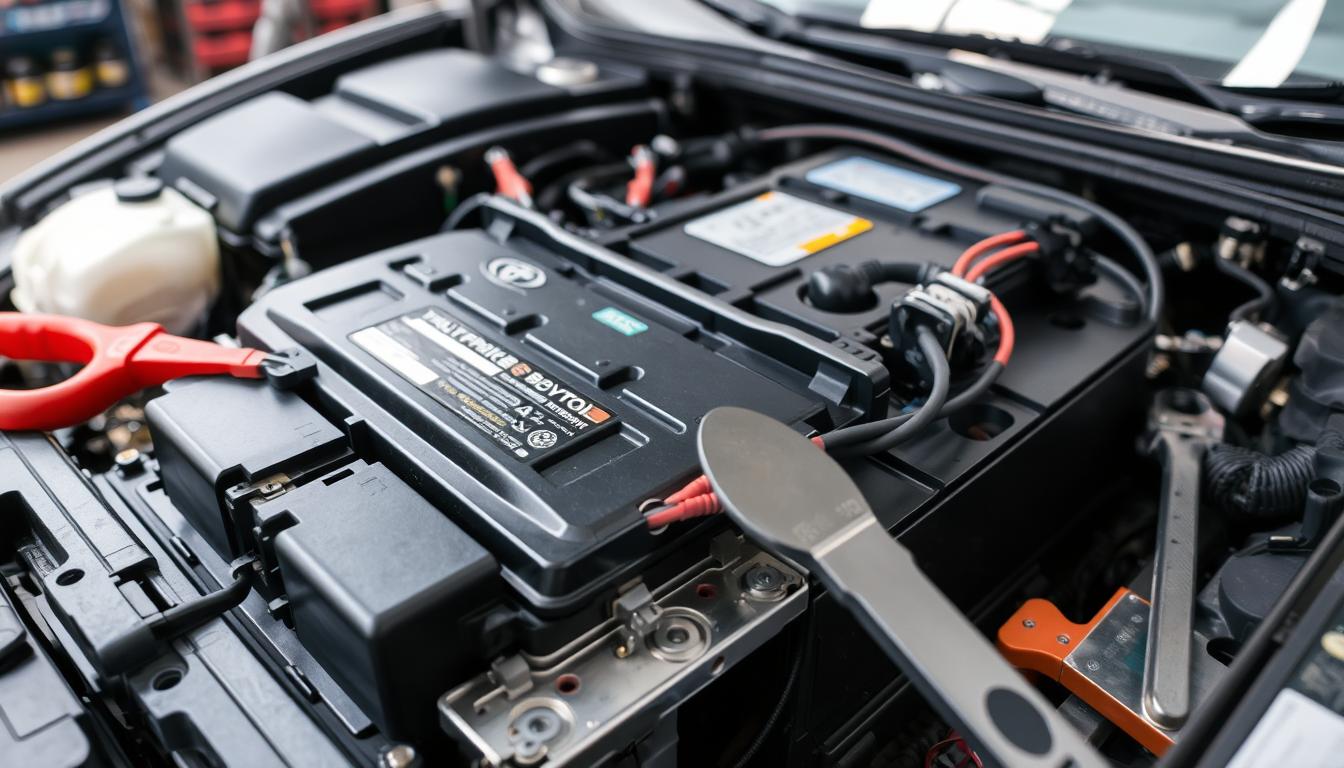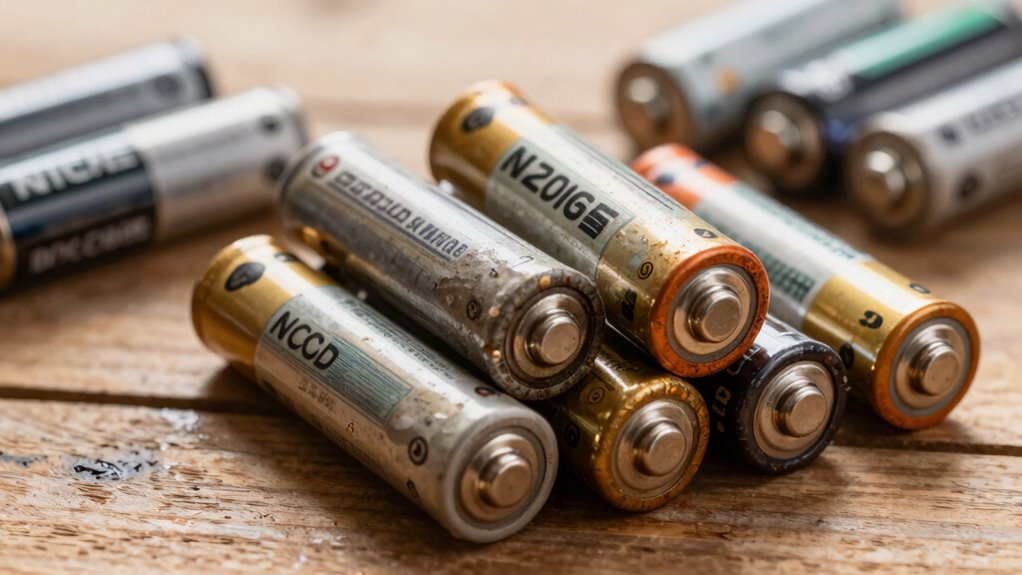

By 2026, NiCd batteries are mostly outdated due to environmental concerns and the rise of greener alternatives like NiMH and lithium-ion. However, they still prove useful in niche applications such as aviation, military, and emergency systems, where their durability and high performance matter most. Recycling efforts and technological advances help extend their relevance, but their role will continue to decline. If you want to discover more about their future and ongoing uses, keep exploring.

Get backup power and energy gear delivered free with Prime
- Fast, free delivery on millions of items
- Prime Video, Amazon Music and more included
- Member-only deals all year
Key Takeaways
- Regulatory pressures and environmental concerns are expected to continue phasing out NiCd batteries by 2026.
- They remain useful in niche applications requiring durability and extreme temperature performance.
- Advances in recycling technology help mitigate environmental impacts, extending NiCd’s viability in specific sectors.
- The shift toward greener alternatives like NiMH and lithium-ion batteries is likely to reduce NiCd usage significantly.
- NiCd batteries may still serve specialized industries where their reliability outweighs environmental drawbacks.
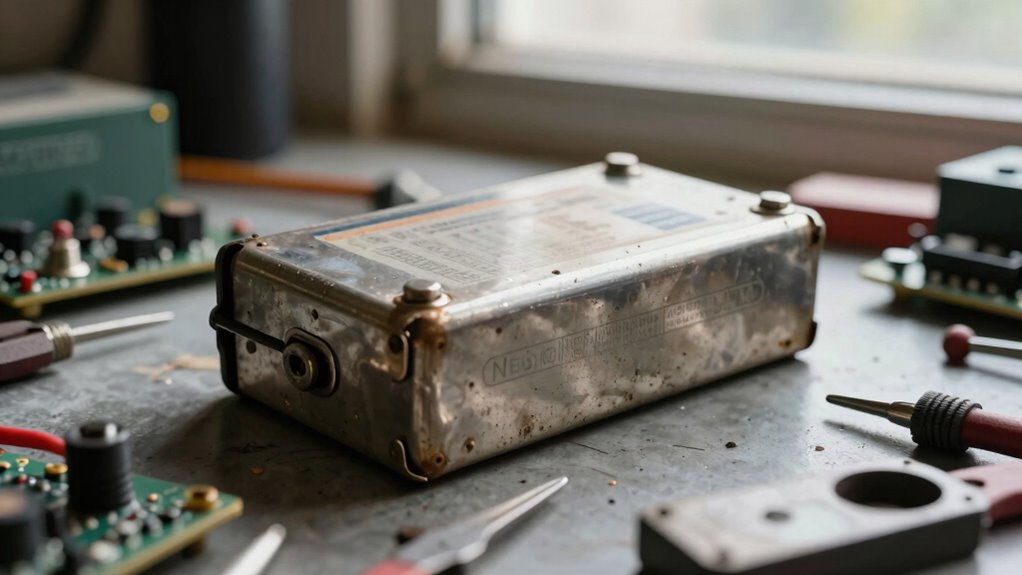
By 2026, nickel-cadmium (NiCd) batteries will likely see significant shifts in their usage and perception, driven by advancements in alternative technologies and stricter environmental regulations. As the world pushes for sustainability, the environmental impact of NiCd batteries becomes a major concern. These batteries contain cadmium, a toxic heavy metal that poses risks if not properly disposed of. This has led to increased emphasis on battery recycling programs, designed to recover valuable materials and prevent environmental contamination. You might find that in many regions, regulations now require proper disposal and recycling of NiCd batteries, making their use less appealing compared to modern alternatives.
Despite these pressures, NiCd batteries still hold some practical value. They are durable, perform well in extreme temperatures, and are known for their robustness in demanding applications like aviation, military, and emergency systems. If you work in industries where reliability under harsh conditions is critical, NiCd batteries remain a viable choice. However, the environmental impact of cadmium leakage and the challenge of safe disposal are pushing manufacturers and consumers away from their use. Battery recycling efforts are essential to mitigate these concerns, but they add to the overall cost and complexity of using NiCd technology.
NiCd batteries remain reliable for extreme conditions despite environmental concerns and recycling challenges.
You’ll notice a shift toward nickel-metal hydride (NiMH) and lithium-ion batteries, which offer similar or better performance without the same environmental risks. These newer batteries have higher energy densities and are more environmentally friendly, aligning with global sustainability goals. As these alternatives become more affordable and accessible, the demand for NiCd batteries will decline further. Still, some niche markets may cling to NiCd due to their proven reliability and longevity, especially where replacement options are limited or where existing infrastructure favors their use.
The future of NiCd batteries in 2026 hinges on how effectively battery recycling can be integrated into broader waste management systems. Proper recycling reduces the environmental impact by reclaiming cadmium and other materials, but it’s not a complete solution. Recycling technologies are advancing, making recovery processes more efficient and less costly, which could extend the viability of NiCd batteries in certain sectors. Additionally, regulatory pressures are likely to continue driving the phase-out of these batteries in favor of greener alternatives. Stricter regulations and increasing public awareness will likely phase out their widespread use, yet they’re not entirely obsolete. In certain specialized applications, NiCd batteries continue to serve a purpose, especially where their unique characteristics outweigh environmental concerns. Moreover, advancements in battery recycling technologies could make recycling easier and more cost-effective, encouraging continued use in some sectors. It is also worth noting that the cost of raw materials for newer battery types is decreasing, making them even more attractive alternatives. Furthermore, ongoing innovations in environmental management practices are expected to influence the future landscape of battery technology. Ultimately, whether NiCd batteries are outdated or still useful depends on your priorities—performance, environmental responsibility, or cost. As cleaner, more efficient options become dominant, NiCd’s role will diminish, but they won’t vanish overnight. Instead, their legacy will serve as a reminder of the importance of balancing technological capability with environmental stewardship.
Products Worth Considering

Samsung 27 Odyssey OLED G5 (G50SF) QHD QD-OLED Gaming Monitor

Apple iPad Air (4th Generation, 10.9-inch, Wi-Fi, 256GB) – Space Gray

Samsung 32-Inch Odyssey OLED G8 (G80SH) 4K Gaming Monitor
As an affiliate, we earn on qualifying purchases.
Frequently Asked Questions
Are Nicd Batteries Recyclable in 2026?
Yes, NiCd batteries are recyclable in 2026. You can participate in battery recycling programs to properly dispose of them, reducing environmental impact. Recycling helps recover valuable materials like cadmium, which can be reused, and prevents harmful substances from contaminating the environment. By recycling NiCd batteries, you contribute to a sustainable cycle, minimizing waste and supporting environmental health, even as newer battery technologies emerge.
How Do Nicd Batteries Compare to Newer Lithium Alternatives?
NiCd batteries are like ancient relics next to newer lithium alternatives. You’ll find that lithium batteries boast a longer battery lifespan, meaning they last way longer between charges. Plus, lithium options generally have a lower environmental impact because they’re more efficient and easier to recycle. While NiCd batteries are tough and reliable, modern lithium batteries outperform them in longevity and eco-friendliness, making them the smarter choice today.
What Are the Safety Concerns With Aging Nicd Batteries?
You need to be aware that aging NiCd batteries pose safety hazards due to battery degradation. Over time, they can leak, overheat, or even rupture, risking fire or chemical exposure. As they age, their capacity diminishes, increasing the chance of sudden failure. Handling old NiCd batteries carefully and disposing of them properly helps prevent accidents. Regular inspection and avoiding damaged batteries are essential for safety.
Can Nicd Batteries Be Used in Modern Renewable Energy Systems?
You can still use NiCd batteries in modern renewable energy systems, especially since they boast a long battery lifespan of up to 15 years with proper maintenance. However, consider their environmental impact, as they contain toxic cadmium. While they’re reliable and cost-effective, newer battery technologies like lithium-ion often outperform NiCd in energy density and eco-friendliness. Weigh the benefits against environmental concerns before integrating NiCd batteries into your system.
What Are the Cost Differences Between Nicd and Other Battery Types?
You’ll find NiCd batteries usually cost less upfront compared to lithium-ion or LiPo batteries, but they have shorter lifespans and lower charging efficiency. Over time, frequent replacements and higher maintenance can make them more expensive overall. While their initial price is appealing, consider the long-term costs linked to reduced battery lifespan and charging efficiency, which might outweigh the initial savings, especially in modern applications demanding durability and efficiency.
Conclusion
Despite the rise of newer battery technologies, NiCd batteries still hold value in specific applications like emergency backup systems due to their durability and reliability. Sure, they’re less eco-friendly and have lower energy density, but if you need a rugged, long-lasting power source, NiCds can still serve you well in 2026. Don’t dismiss them entirely—sometimes, their proven performance outweighs the drawbacks, especially in niche situations where alternatives fall short.