A single hydrometer measurement can help you determine if your lead-acid battery is worth saving. If the specific gravity is around 1.265 to 1.275, your battery is likely healthy and fully charged. Low readings below 1.200 suggest it may be undercharged or damaged, while very high values could mean overcharging. Uneven levels across cells point to aging or issues. Continue exploring to understand how these signals guide your maintenance decisions.
Key Takeaways
- A specific gravity reading between 1.265 and 1.275 indicates a fully charged, healthy battery worth saving.
- Readings below 1.265 suggest the battery is undercharged or deteriorating, possibly needing replacement.
- A value above 1.300 may show overcharging or concentrated electrolyte, but the battery might still be salvageable.
- Uneven cell readings highlight potential damage; if most cells are healthy, the battery may still be recoverable.
- Consistently low or uneven readings across cells typically mean the battery is beyond repair and not worth saving.
A hydrometer reading is an essential step in evaluating the health of lead-acid batteries. When you’re checking your battery’s condition, understanding how to interpret the hydrometer results can save you time and money. Proper battery maintenance starts with accurate readings of the electrolyte levels and their specific gravity. The hydrometer measures the specific gravity of the electrolyte, which reflects the state of charge and overall health of your battery. If you regularly monitor this, you can catch problems early, helping you decide whether your battery is worth saving or needs replacing.
Regular hydrometer checks reveal battery health and prevent costly failures.
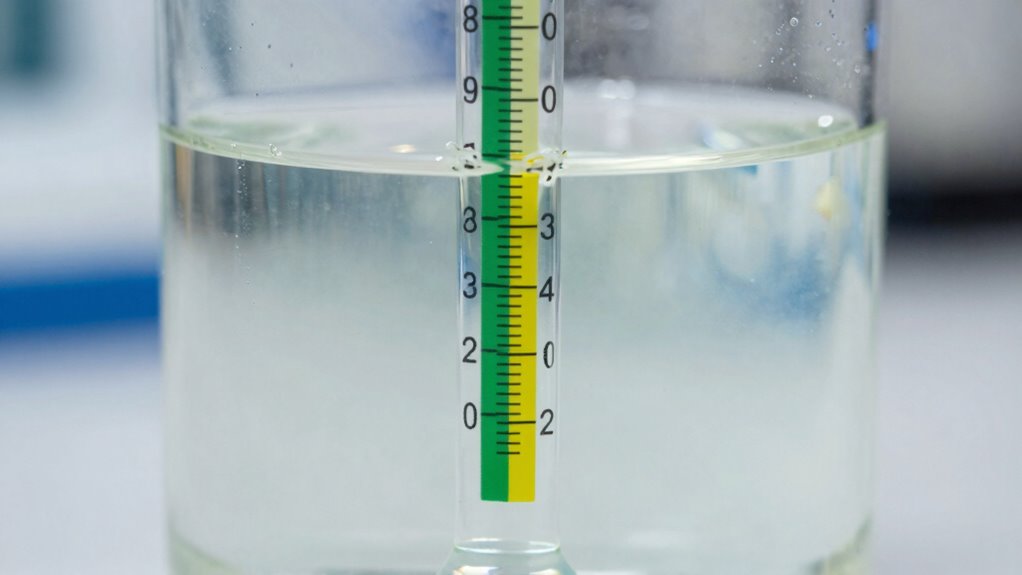
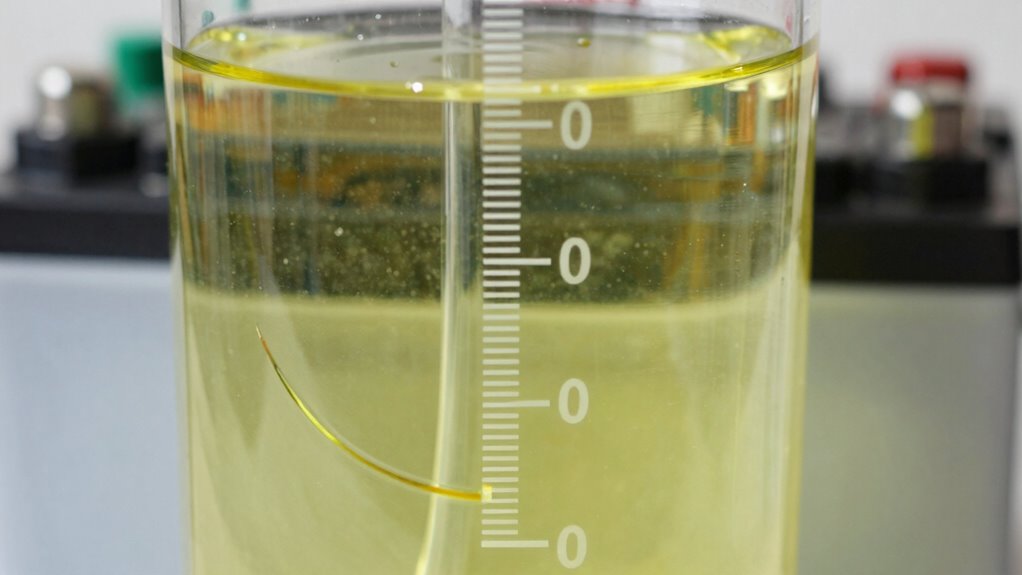
To perform a hydrometer test, you’ll need to draw a small sample of electrolyte from each cell using the device. Be careful to wear protective gear, as the electrolyte is acidic and can cause burns. Once you have the sample, squeeze the hydrometer bulb gently, allowing the device to fill with electrolyte. Then, release the bulb to draw the fluid into the tube. The level at which the float settles indicates the specific gravity. Typically, fully charged lead-acid batteries show a specific gravity around 1.265 to 1.275. If your readings are considerably lower, it suggests the battery isn’t fully charged or is in poor health.
Consistently low electrolyte levels or a low specific gravity in multiple cells signals potential issues. This could mean the battery is sulfated or has lost capacity, making it less likely to hold a charge. Conversely, if your readings are high, especially above 1.300, it might indicate overcharging or that the electrolyte is too concentrated, which can also damage the battery. Regularly checking electrolyte levels and specific gravity helps you maintain proper battery maintenance, ensuring each cell functions efficiently. If electrolyte levels are low, you should top off the cells with distilled water, not acid, to prevent damage and maintain balance.
When the hydrometer reading shows a healthy, high specific gravity in all cells, it’s a good sign that your battery is in decent shape and worth saving. However, if some cells read considerably lower than others, it indicates uneven aging or damage, and those cells might need attention or replacement. Remember, one bad cell can compromise the entire battery’s performance. By regularly performing hydrometer tests and monitoring electrolyte levels, you stay ahead of potential failures, prolonging the life of your lead-acid battery and avoiding unexpected breakdowns. Proper battery maintenance is crucial for extending the lifespan and ensuring reliable performance. Overall, this simple test provides vital insights into your battery’s health, guiding your decisions on maintenance or replacement.
Frequently Asked Questions
How Often Should I Check My Battery’s Hydrometer Reading?
You should check your battery’s hydrometer reading every month as part of regular battery maintenance. This frequency helps guarantee hydrometer accuracy and catch early signs of deterioration. Regular testing allows you to assess the health of each cell and determine if the battery needs recharging or replacement. Consistent checks help prolong your battery’s lifespan and prevent unexpected failures, keeping your vehicle or equipment running smoothly.
Can Temperature Affect Hydrometer Readings?
Temperature influence can considerably sway your hydrometer readings, making them appear more or less accurate than they truly are. Warmer temperatures tend to inflate the reading, while colder ones may deflate it. To maintain calibration accuracy, always check your battery’s temperature before testing and consider adjusting your readings accordingly. This way, you guarantee you’re making well-informed decisions about your battery’s health, avoiding unnecessary replacements or overlooked issues.
What’s Considered a Critical Hydrometer Reading for Battery Replacement?
A crucial hydrometer reading for battery replacement is when the acid capacity drops below 1.265 specific gravity, indicating insufficient lead acidity. If you measure a reading of 1.200 or lower, it signals the battery’s lead acidity has considerably diminished, and it’s likely time to replace it. Maintaining proper acid levels guarantees ideal performance, but once the acid capacity drops too low, the battery can’t hold a proper charge anymore.
Do Different Brands of Batteries Require Different Hydrometer Readings?
Different brands of batteries can require different hydrometer readings due to variations in brand consistency and battery specifications. You should always check the manufacturer’s recommended electrolyte specific gravity levels for each brand, as these can differ slightly. By doing so, you guarantee accurate assessments of your battery’s health. Always follow the manufacturer’s guidelines, rather than relying solely on general readings, to determine if your battery is worth saving or needs replacement.
How Long Should I Wait After Charging to Check the Hydrometer?
You should wait about 2 to 4 hours after charging before checking your hydrometer, as this delay allows the battery’s chemical reactions to stabilize. Keep in mind that temperature adjustment is essential because cold or hot conditions can skew your reading. By giving the battery time to settle and adjusting for temperature, you’ll get a more accurate measurement of its state of charge and overall health.
Conclusion
Now that you know how a simple hydrometer reading reveals a lead-acid battery’s true condition, are you ready to decide if it’s worth saving? By checking the specific gravity, you can avoid unnecessary replacements and save money. It’s a quick, easy test that puts the power in your hands. So, next time your battery acts up, ask yourself: is a little maintenance worth the potential payoff? The answer might just surprise you.