TL;DR

Get backup power and energy gear delivered free — and shop member deals
- Fast, free delivery on millions of items
- Access to Prime Big Deal Days deals on October 6–7
- Prime Video, Amazon Music and more included
Earthcore’s VMASS, part of its X-Ventiso product line, is designed to measure indoor and outdoor pressure and vary the supply of outdoor makeup air as exhaust loads change. The report describes the product’s approach, but does not provide performance data, pricing, installation requirements or independent test results.
Earthcore has introduced the Variable Makeup Air Supply System, or VMASS, a product intended to bring outdoor air into tightly built homes as exhaust equipment runs. The system measures indoor and outdoor pressure and varies makeup airflow as exhaust loads change, according to a Green Building Advisor report published October 7, 2026. The approach addresses a potential pressure problem that can affect fireplaces and other combustion appliances.
Homes need replacement air when equipment such as a range hood, bathroom fan or fireplace exhaust moves indoor air outside. In a tighter building, less air may enter through gaps in the enclosure. Running one or several exhaust devices can then depressurize the home, the report explains.
Negative pressure can contribute to combustion gases or smoke spilling into living areas when an atmospherically vented appliance is operating. The report cites examples of smoke entering a home when a woodstove door is opened while a bath fan or range hood is running. It does not say that this occurs in every home or provide incident data.
VMASS is part of Earthcore’s X-Ventiso mechanical venting line, which also includes mechanical draft equipment and automatic or manual sealed dampers for round flues. The dampers are described as limiting uncontrolled airflow through a chimney when a fireplace is not in use; VMASS instead manages pressure by controlling incoming outdoor air.
Managing Exhaust Pressure in Tight Homes
The product’s stated purpose addresses a practical concern for homeowners and builders: exhaust equipment can change a home’s pressure, while tighter construction limits the unintended routes through which replacement air might enter. If pressure conditions contribute to backdrafting or smoke spillage, the result can affect indoor comfort and safe operation of combustion appliances.
VMASS is presented as an alternative to relying on occupants to open a window or remember to switch off a fan. That matters when a home changes owners or visitors operate a fireplace. However, the report describes the system’s intended function, not evidence that it prevents every pressure-related problem. Appropriate design and installation remain relevant to how it performs in a particular house.
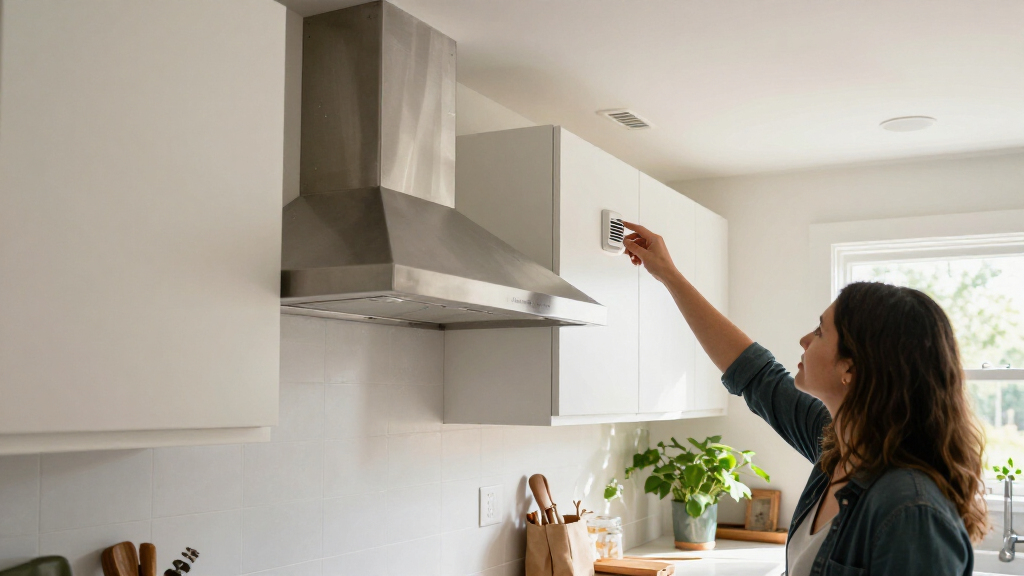
indoor outdoor pressure monitor for homes
As an affiliate, we earn on qualifying purchases.
As an affiliate, we earn on qualifying purchases.
Why Makeup Air Becomes a Design Issue
In a less airtight home, outdoor air can enter through cracks and gaps when exhaust equipment runs. As building enclosures become tighter, those incidental openings become less available, and exhaust loads may depressurize the building. The report frames pressure management as especially important where atmospherically vented water heaters, boilers, furnaces, fireplaces or woodstoves are present.
Green Building Advisor’s Randy Williams says the problem can be addressed informally by turning off an exhaust fan or opening a window before using a fireplace. The report questions the reliability of that approach over time, particularly when guests or future occupants may not know to take those steps. Earthcore’s product is described as a mechanical approach that responds to pressure rather than depending only on occupant action.
“The system measures indoor and outdoor pressure and varies makeup airflow as exhaust loads change.”
— Green Building Advisor report by Randy Williams
Performance and Installation Details
The report does not provide independent performance testing, quantified airflow or pressure results, product pricing, availability, or detailed installation specifications. It also does not explain the system’s controls, how it responds to specific combinations of exhaust equipment, or whether it is suitable for every home and combustion-appliance configuration.
It remains unclear what codes or project-specific requirements apply to an installation, and whether additional measures are needed for a given building. The report identifies a product and describes its stated operating approach; it does not establish that VMASS eliminates backdrafting or smoke spillage in all conditions.
Product Details and Field Evidence
Readers considering the system will need more information from Earthcore or project documentation on specifications, installation, compatibility and cost. Independent testing or published field results could help clarify how the system performs as exhaust loads vary and how it affects pressure in different home designs.
For a specific home, builders and mechanical professionals would need to assess the exhaust equipment, combustion appliances and building conditions before choosing a makeup-air strategy. The source report does not announce a testing schedule, further product milestones or a date for additional details.
Key Questions
What is Earthcore’s VMASS?
VMASS stands for Variable Makeup Air Supply System. The report says it measures indoor and outdoor pressure and varies incoming outdoor airflow as exhaust loads change.
Why do tight homes need makeup air?
Exhaust fans and other equipment remove indoor air, which must be replaced. In a tighter home, less replacement air may enter through gaps, potentially contributing to negative indoor pressure.
Does VMASS prevent smoke or combustion gases from entering a home?
The report describes the system’s intended pressure-management approach but provides no evidence that it prevents smoke spillage or backdrafting in every home. Its performance in a particular installation is not established in the source.
What is not yet known about the system?
The report does not include pricing, detailed specifications, independent test results, quantified performance data or installation requirements. Suitability for particular homes and appliances is also not specified.
Source: rss
Halloween Picks
halloween
As an affiliate, we earn on qualifying purchases.