
TL;DR

Get backup power and energy gear delivered free with Prime
- Fast, free delivery on millions of items
- Prime Video, Amazon Music and more included
- Member-only deals all year
Rio de Janeiro’s City Hall has introduced a new mobility plan for the Santa Cruz neighborhood. The initiative focuses on infrastructure upgrades and traffic management to enhance transportation efficiency. Details are still emerging, but the plan signals a significant effort to address local mobility issues.
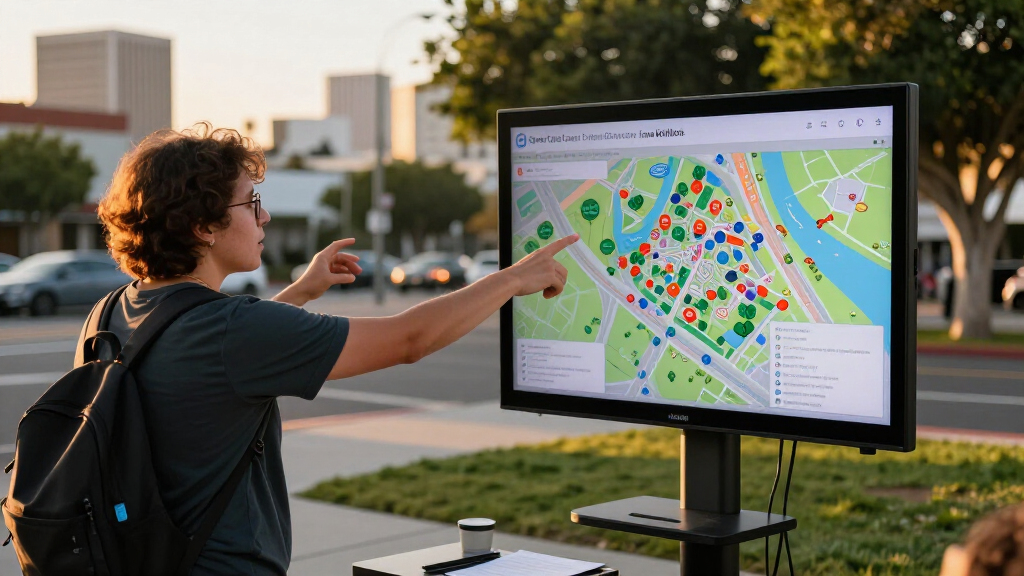
Rio de Janeiro’s City Hall has unveiled a new Santa Cruz Mobility Plan, designed to improve transportation infrastructure and address traffic congestion in the neighborhood. The plan was officially presented during a public event on March 15, 2024, and aims to enhance mobility options for residents and visitors alike.
The mobility plan includes proposals for expanding bus routes, creating dedicated bike lanes, and upgrading road infrastructure in Santa Cruz. Officials from the Rio de Janeiro Department of Transport stated that these measures are part of a broader effort to modernize the area’s transportation network and reduce travel times.
According to the city’s transportation secretary, the plan also emphasizes pedestrian safety and aims to promote sustainable mobility. Specific projects include the construction of new bike paths along key corridors and the refurbishment of major intersections to improve traffic flow. The plan is currently in the consultation phase, with public feedback being solicited to refine the proposals.
Implications of the Santa Cruz Mobility Initiative
This plan matters because it addresses longstanding mobility challenges in Santa Cruz, a neighborhood that has experienced increasing traffic congestion and limited public transit options. Improvements could lead to reduced commute times, increased safety for pedestrians and cyclists, and a boost to local economic activity. The initiative aligns with Rio de Janeiro’s broader goals to promote sustainable urban development and improve quality of life for residents.
Products Worth Considering

Bose QuietComfort Wireless Noise-Cancelling Over-Ear Headphones, Black

LG UltraGear 32GX850A-B 32-Inch 4K UHD Glossy OLED Gaming Monitor

Apple AirPods Pro 3 Wireless Earbuds with Active Noise Cancellation
As an affiliate, we earn on qualifying purchases.
Background of Transportation Challenges in Santa Cruz
Santa Cruz, located in the western part of Rio de Janeiro, has historically faced transportation issues due to limited infrastructure and growing population. Previous efforts to improve mobility have included minor road upgrades and bus service extensions, but congestion remains a persistent problem. The new plan represents a comprehensive approach, building on prior initiatives and aiming for long-term improvements.
In recent years, the city has prioritized sustainable mobility projects, including bike lane expansions and pedestrian zone developments, which are now incorporated into the Santa Cruz plan. Public consultation periods for similar projects have previously generated mixed feedback, and officials have emphasized the importance of community involvement in shaping the final proposals.
“This mobility plan is a significant step toward modernizing Santa Cruz’s transportation network and making it more sustainable and accessible.”
— Rio de Janeiro Department of Transport
Details Still Under Development and Public Feedback Pending
While the general scope of the Santa Cruz Mobility Plan has been announced, specific project timelines, funding allocations, and detailed design plans are still being finalized. It is also unclear how quickly the proposed infrastructure upgrades will be implemented and whether any projects will face delays due to logistical or budgetary challenges.
Public feedback is ongoing, and officials have indicated that community input could influence certain aspects of the final plan. However, until official documents are released and project phases are detailed, some uncertainty remains regarding execution and scope.
Next Steps Include Public Consultations and Project Finalization
The city plans to hold a series of public hearings over the coming months to gather community input and address concerns. Following feedback, officials will refine the project details and seek approval for funding. Construction and infrastructure upgrades are expected to begin in late 2024 or early 2025, depending on approval timelines and resource availability.
Key Questions
What specific improvements are included in the Santa Cruz Mobility Plan?
The plan includes expanding bus routes, creating dedicated bike lanes, upgrading roads and intersections, and improving pedestrian safety measures.
When will construction work begin?
Construction is tentatively scheduled to start in late 2024 or early 2025, pending final approvals and funding.
How can residents provide feedback on the plan?
The city will hold public consultations and hearings over the next few months, inviting residents to share their opinions and suggestions.
Will the plan address traffic congestion during peak hours?
Yes, the plan aims to improve traffic flow through infrastructure upgrades and new transit options, which should help reduce congestion during busy times.
Are there any environmental considerations in the plan?
Yes, promoting cycling and pedestrian pathways aligns with sustainability goals, and the city emphasizes minimizing environmental impact during implementation.
Source: local