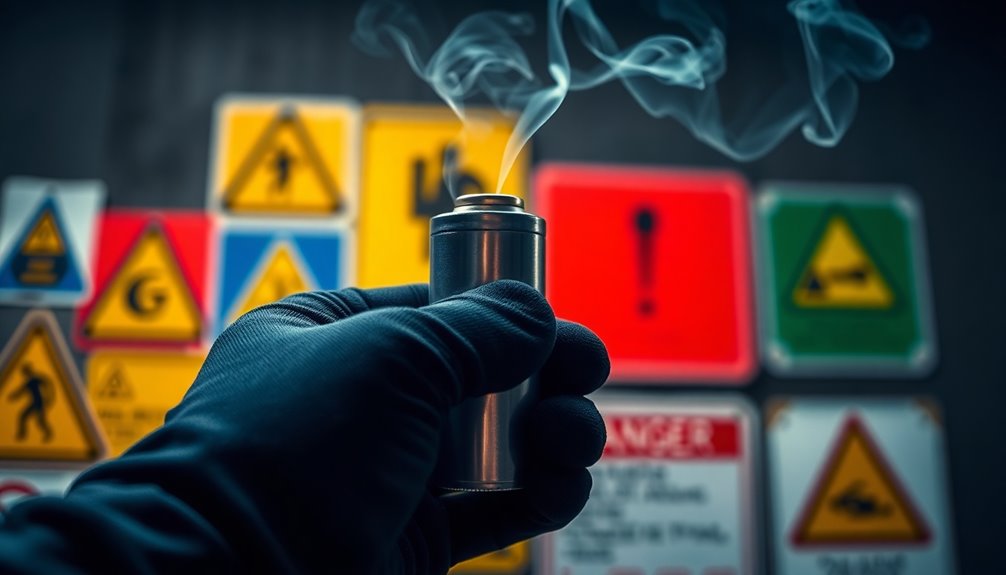
To effectively detect battery defects, you need to follow strict manufacturing QA and testing standards. This includes using non-destructive techniques like impedance spectroscopy, X-ray imaging, and thermal analysis to spot micro-cracks, contamination, or internal shorts early. Automated inspection systems with machine learning help you analyze large batches quickly and accurately. Maintaining proper calibration and adhering to industry standards like UL or IEC guarantee your processes reliably identify issues, protecting safety and performance as you explore further.

Get backup power and energy gear delivered free with Prime
- Fast, free delivery on millions of items
- Prime Video, Amazon Music and more included
- Member-only deals all year
Key Takeaways
- Implement strict quality assurance protocols utilizing non-destructive and destructive testing methods for early defect detection.
- Adhere to industry standards (UL, IEC, SAE) to meet safety, performance, and reliability benchmarks.
- Use automated inspection systems with machine learning to efficiently analyze large volumes of battery cells.
- Regularly calibrate testing equipment to ensure accurate and consistent defect detection results.
- Conduct comprehensive defect analysis, including impedance spectroscopy, X-ray imaging, and thermal testing, during manufacturing.

Detecting battery defects early is essential to guarantee safety, reliability, and peak performance. When it comes to ensuring quality, one of your primary focuses should be on thorough defect analysis of each battery cell. The battery cell is the fundamental building block of any energy storage system, and identifying issues at this level can prevent major failures down the line. During manufacturing, you need to implement precise testing protocols that can spot irregularities in cell performance before they escalate into safety hazards or functional limitations. Techniques like impedance spectroscopy, X-ray imaging, and thermal analysis are invaluable tools for defect analysis, providing detailed insights into the cell’s internal condition without damaging it. These methods allow you to detect issues such as micro-cracks, internal short circuits, or contamination, which could compromise the entire battery’s operation. Consistent calibration of testing equipment ensures accurate detection and reliable results across production batches.
In the manufacturing process, establishing strict QA standards is crucial to maintaining consistent quality across all battery cells. These standards often include a combination of destructive and non-destructive testing procedures. Non-destructive methods enable you to evaluate the cell’s health without damaging it, ensuring that only the cells passing all quality checks make it into the final product. Destructive testing, on the other hand, involves pushing the cell to its limits to understand its failure points and improve future designs. Both approaches are integral for comprehensive defect analysis and for refining manufacturing processes. Automated inspection systems equipped with machine learning algorithms can profoundly enhance defect detection efficiency, allowing you to analyze large volumes of cells quickly and accurately. These systems can identify subtle deviations from nominal performance, flagging cells that require further inspection or rejection.
Furthermore, adhering to industry standards such as those set by UL, IEC, or SAE ensures your testing procedures meet globally recognized benchmarks for safety and performance. These standards specify the minimum requirements for battery cell testing, including parameters for thermal stability, cycle life, and overcharge protection. By consistently applying these standards, you ensure your defect analysis process is robust and reliable, minimizing the risk of defective cells reaching the market. Ultimately, early detection through meticulous defect analysis and rigorous QA protocols safeguards end-users and enhances your reputation for quality. When each battery cell undergoes comprehensive testing, you’re not only protecting safety but also optimizing the longevity and efficiency of your entire battery system. Recognizing the role of color accuracy in quality control can further improve the reliability of your testing results.
battery impedance spectroscopy tester
As an affiliate, we earn on qualifying purchases.
As an affiliate, we earn on qualifying purchases.
Frequently Asked Questions
How Do Environmental Conditions Affect Battery Defect Detection?
Environmental variability can substantially impact battery defect detection, as temperature, humidity, and pressure influence test outcomes. You need to guarantee proper testing calibration to account for these conditions, preventing false positives or missed defects. By controlling environmental factors or adjusting testing parameters accordingly, you improve detection accuracy. This way, you can reliably identify defects regardless of environmental changes, ensuring battery quality and safety standards are consistently met.
What Are the Latest Technological Advancements in Battery Testing?
Did you know that advanced diagnostic tools now detect battery issues with up to 95% accuracy? You’ll find that the latest advancements include real-time monitoring systems that continuously assess battery health during operation. These innovations allow you to catch defects early, improving safety and performance. With smarter testing methods, you can guarantee your batteries meet strict quality standards, reducing failures and extending lifespan.
How Can Manufacturers Reduce False Positives in Defect Detection?
To reduce false positives in defect detection, you should focus on false positive mitigation strategies that improve testing accuracy. Implement advanced algorithms, such as machine learning models, to distinguish real defects from harmless anomalies. Regularly calibrate testing equipment, use multiple inspection methods, and analyze data trends to refine detection thresholds. These steps help guarantee you’re accurately identifying genuine defects while minimizing false alarms, ultimately increasing manufacturing efficiency and quality.
What Role Does AI Play in Battery Quality Assurance?
You leverage AI, especially machine learning and predictive modeling, to enhance battery quality assurance. AI analyzes vast data sets from testing processes, identifies patterns, and predicts potential defects with high accuracy. This proactive approach helps you detect issues early, reduce false positives, and improve overall quality control. By continuously learning from new data, AI systems become more precise, ensuring your batteries meet safety and performance standards reliably.
Are There Industry-Specific Testing Standards for Different Battery Types?
Yes, industry-specific testing standards exist for different battery types. You should follow battery classification guidelines to categorize each type accurately. Testing protocols vary based on the battery’s application, chemistry, and form factor, guaranteeing safety, performance, and longevity. These standards help you identify defects early and maintain quality. By adhering to these specific testing protocols, you can effectively evaluate each battery type’s unique characteristics and ensure compliance with industry requirements.
Conclusion
In the end, catching battery defects early is key to avoiding bigger headaches down the line. By following strict manufacturing QA and testing standards, you guarantee safety, reliability, and customer satisfaction. Remember, a stitch in time saves nine—you don’t want small issues to turn into major problems later. Stay diligent, prioritize quality, and you’ll keep your batteries performing at their best, proving that an ounce of prevention truly is worth a pound of cure.
Halloween Picks
halloween
As an affiliate, we earn on qualifying purchases.