Proper venting in battery boxes is a safety detail that’s easy to miss but vital for your system’s health. Without adequate airflow, gases like hydrogen can accumulate, increasing the risk of leaks or explosions. Good ventilation helps gases escape safely and prevents corrosion, extending your battery’s life. Ensuring your ventilation is effective and well-maintained protects both your investment and your safety. Keep going to uncover key tips for best battery box venting.
Key Takeaways
- Proper ventilation prevents gas buildup, reducing explosion and leak risks in battery boxes.
- Inadequate venting leads to corrosion, decreasing battery lifespan and causing electrical failures.
- Passive vents relying on natural airflow are effective but must prevent debris ingress.
- Regular inspection and cleaning of vents are crucial to maintain proper airflow and safety.
- Proper venting design enhances both battery performance and overall safety of the enclosure.
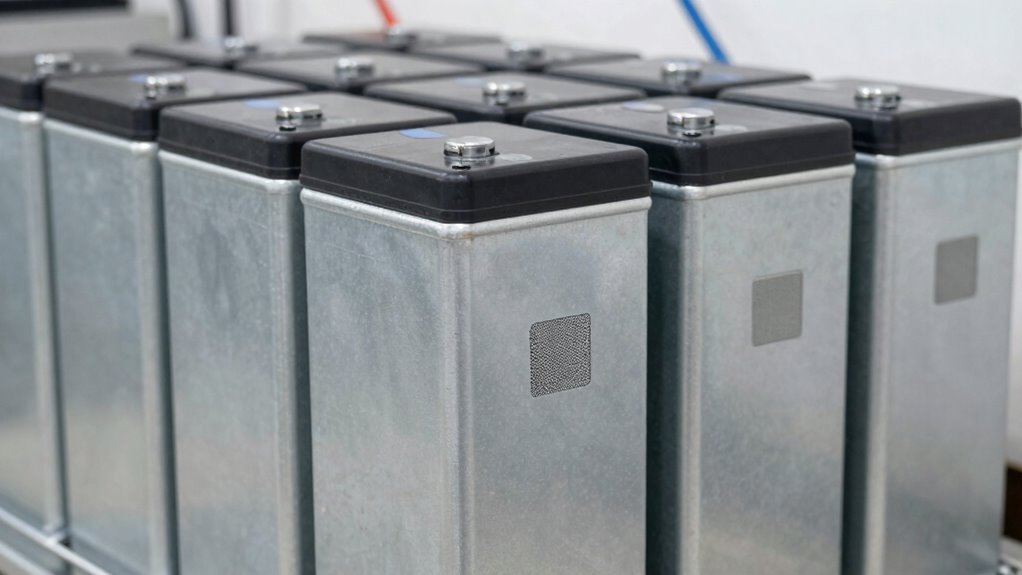
Battery boxes are essential for safely housing your batteries and preventing damage or leaks. They serve as the first line of defense against potential hazards, but many overlook the importance of proper ventilation systems within these enclosures. Without adequate airflow, gases produced during battery operation can accumulate, creating a dangerous environment. One of the main risks associated with poorly ventilated battery boxes is battery corrosion. When batteries operate, they release hydrogen gas and other volatile substances. If these gases are trapped inside the box, they can lead to corrosion on the terminals and internal components, which diminishes battery life and can cause electrical failures. Corrosion not only reduces efficiency but can also result in costly repairs or replacements over time.
To prevent this, you need to guarantee your battery box is equipped with an effective ventilation system. Ventilation allows gases to escape safely, reducing pressure buildup and minimizing the risk of leaks or explosions. Proper ventilation isn’t just about installing small vents; it’s about designing or choosing a box with adequate airflow pathways that promote continuous gas exchange. This might involve passive vents that use natural convection or active systems with fans to improve air circulation. The key is to balance ventilation with protection; vents should prevent debris or water from entering while allowing gases to vent freely. Neglecting this balance can lead to moisture accumulation, which further accelerates corrosion and damages your batteries. Additionally, understanding the role of proper battery box ventilation can help you select the right enclosure and maintenance routine to ensure safety and longevity. Regular maintenance also plays a vital role in preventing issues related to battery corrosion and poor ventilation. Inspect your battery boxes periodically for signs of corrosion, such as white or greenish deposits around terminals, and clean them promptly. Make sure vents are clear of obstructions and functioning correctly. If your system relies on passive ventilation, check for blockages or debris that could restrict airflow. For active systems, ensure fans or ventilators are operating properly. Incorporating these steps helps maintain a safe environment, prolongs battery life, and guarantees ideal performance.
Frequently Asked Questions
What Are the Signs of Venting System Failure?
You’ll notice venting system failure if you see venting system leaks or corrosion detection around the battery box. Odors of sulfur or acid fumes indicate venting issues, and corrosion build-up on terminals or nearby areas also signals a problem. Also, if the battery shows signs of swelling or unusual heat, these are warning signs that the venting system isn’t functioning properly and needs immediate inspection to prevent hazardous failures.
How Often Should Venting Systems Be Inspected?
You should inspect your venting system regularly, ideally every three to six months. During venting maintenance, follow a detailed inspection checklist to check for blockages, corrosion, or leaks that could compromise safety. Consistent inspections make certain your system functions properly, preventing dangerous buildup of gases. Keeping up with these inspections helps catch issues early, ensuring your battery setup remains safe and compliant with safety standards.
Can I Modify a Battery Box for Better Airflow?
They say “a stitch in time saves nine,” so don’t delay. You can modify your battery box for better airflow, but do so carefully to maintain safety. Focus on optimizing airflow to control battery temperature, preventing overheating. Make certain your modifications don’t compromise venting integrity or create leaks. Proper airflow helps keep batteries cool, extends lifespan, and reduces safety risks. Always follow manufacturer guidelines and consult a professional if needed.
Are There Specific Regulations for Battery Box Placement?
Yes, there are specific regulations for battery box placement. You should position battery boxes away from hazard zones like high heat areas or potential chemical leaks. Proper battery placement minimizes risks of fire, explosion, or chemical exposure, so follow local codes and manufacturer guidelines. Make certain good ventilation and easy access for maintenance. Always prioritize safety by placing batteries where they won’t be exposed to hazards or obstructed.
What Materials Are Best for Venting in Harsh Environments?
You should choose venting materials that offer excellent durability in harsh environments, such as stainless steel or high-grade plastics like polypropylene. These materials resist corrosion, extreme temperatures, and chemical exposure, guaranteeing long-lasting venting performance. Proper venting material selection is essential for maintaining safety and functionality, especially in challenging conditions. Always verify that the materials meet industry standards for durability and environmental resistance to prevent failures and ensure reliable battery box ventilation.
Conclusion
Remember, overlooking proper battery box venting can lead to dangerous buildup of gases, risking fires or explosions. Did you know that improperly vented batteries can release enough hydrogen to create an explosive atmosphere? That’s why it’s essential to make certain your battery boxes are correctly designed and maintained. Taking these safety steps might seem small, but they greatly reduce hazards. Stay vigilant, prioritize venting, and keep your workspace safe for everyone around you.