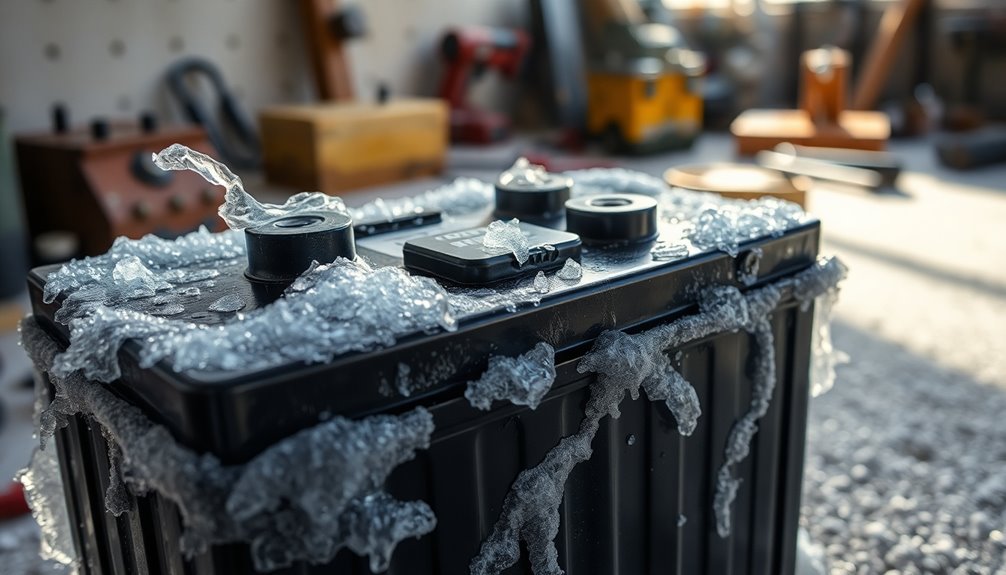

Battery reconditioning is a process that restores old or dead batteries to almost their original capacity, helping you save money and extend their lifespan. It involves repairing or rejuvenating batteries in devices like smartphones, laptops, and cars by removing build-up or fixing chemical issues. This safe process can improve performance and prevent premature replacement, while also reducing environmental waste. If you want to discover how this effective method works, keep exploring the details behind battery reconditioning.
Key Takeaways
- Battery reconditioning restores old or dead batteries to near-original capacity and performance.
- It involves repairing chemical and physical issues within rechargeable batteries like lithium-ion and lead-acid types.
- The process extends battery lifespan, delays replacement, and is a cost-effective, eco-friendly alternative.
- Techniques include cleaning deposits, balancing cells, and controlled charging/discharging cycles.
- Proper safety measures and tools are essential for effective and safe reconditioning at home.

Battery Reconditioning
If your battery isn’t holding a charge like it used to, reconditioning can be a cost-effective way to extend its lifespan. Instead of rushing to replace it, you can revive the battery’s capacity through a process that restores its original performance. Battery reconditioning involves carefully repairing or rejuvenating old or dead batteries so they function almost as well as new ones. This process is especially useful for rechargeable batteries in devices like laptops, smartphones, and even automotive batteries. When done correctly, it can greatly improve charging safety by reducing the risk of overheating or leaks, which are common concerns with degraded batteries. Plus, maintaining a healthy battery directly impacts its lifespan, preventing premature replacements and saving you money over time.
The core idea behind reconditioning is to remove the build-up of sulfates or other deposits that diminish a battery’s ability to hold a charge. Over time, batteries naturally lose their efficiency due to chemical changes inside them, which leads to reduced capacity and shorter usage times. Reconditioning techniques often involve a combination of cleaning, rebalancing, and sometimes even recharging the battery with specialized methods. For example, in lead-acid batteries, carefully controlled discharges and recharges can dissolve sulfate crystals that have formed on the plates. For lithium-ion batteries, balancing cells and resetting internal chemistry can restore functionality. Importantly, following charging safety protocols during reconditioning is vital because mishandling batteries can cause damage, leaks, or even fires. Proper precautions, such as working in well-ventilated areas and wearing protective gear, help guarantee your safety.
Reconditioning not only extends the battery’s useful life but also reduces environmental waste by decreasing the number of batteries ending up in landfills. An often overlooked benefit is the improvement in overall battery lifespan, which means fewer replacements and less environmental impact. This process can be performed at home with the right tools and knowledge, making it accessible and affordable. With patience and proper technique, you can revive batteries that might seem beyond saving. Keep in mind, however, that not all batteries are suitable for reconditioning, especially if they are severely damaged or swollen. Knowing when to recondition and when to replace is key to safe and effective battery management. Additionally, understanding the safety precautions involved in reconditioning helps prevent accidents and ensures the process is successful. By understanding the fundamentals of battery reconditioning, you empower yourself to keep your devices running smoothly, safely, and economically for longer periods.
Frequently Asked Questions
Is Battery Reconditioning Suitable for All Types of Batteries?
Battery reconditioning isn’t suitable for all types of batteries. You should consider battery chemistry before attempting reconditioning, as some chemistries, like lithium-ion, can be dangerous or difficult to restore. Reconditioning offers recycling benefits by extending battery life and reducing waste, but always research your specific battery type to guarantee safe and effective reconditioning. Avoid attempting this with batteries that are severely damaged or leaking to prevent hazards.
How Long Does the Reconditioning Process Typically Take?
The reconditioning process typically takes between 1 to 3 hours, depending on the battery type and its condition. You’ll follow specific process steps, like cleaning, testing, and recharging, to restore the battery’s capacity. For best results, make certain you have all necessary tools ready. Patience is key, as rushing may reduce effectiveness. Once complete, you’ll notice improved performance and extended battery life.
Are There Safety Risks Involved in Reconditioning Batteries?
Sure, reconditioning batteries is as safe as a walk in the park—until you forget about hazardous chemicals and fire hazards lurking in the mix. Handling batteries involves risks like exposure to harmful substances and the chance of sparks causing fires. If you’re not careful, you could end up with injuries or damage. Always wear protective gear, work in a well-ventilated area, and follow safety guidelines to keep hazards at bay.
Can Reconditioned Batteries Be Used in High-Performance Devices?
Reconditioned batteries can often be used in high-performance devices, but their battery capacity might be slightly reduced compared to new ones. You should check device compatibility and verify the reconditioned battery meets the required specifications. While reconditioning can restore some capacity, it’s essential to monitor performance and replace the battery if you notice issues, ensuring your device runs smoothly and safely.
What Is the Cost Comparison Between Reconditioning and Replacing Batteries?
Replacing batteries can be costly, often more than reconditioning. A cost analysis shows reconditioning is substantially cheaper, saving you money while offering economic benefits. Instead of constantly buying new batteries, you invest a little time and effort to revive old ones, which extends their lifespan. This way, you enjoy reliable performance without breaking the bank, making reconditioning a smart, budget-friendly choice compared to frequent replacements.
Conclusion
Battery reconditioning is like giving your old batteries a second lease on life, saving you money and reducing waste. By restoring their capacity, you prevent them from becoming discarded trash and extend their usefulness. Think of it as turning a worn-out tool into a reliable companion once again. Embracing reconditioning not only benefits your wallet but also helps protect the environment, proving that with a little effort, you can make a big difference—one battery at a time.