Your vehicle battery typically lasts 3 to 5 years, but climate, driving habits, and maintenance can affect its lifespan. Watch for signs like slow starts, dim lights, erratic electronics, or corrosion on terminals, which can indicate it’s time for a replacement. Extreme temperatures also speed up aging, so regular checks are essential. To keep your car reliable, learn more about how to spot the right moment to replace your battery before unexpected issues arise.
Key Takeaways
- Replace the battery every 3-5 years to prevent unexpected failures, considering climate and driving habits.
- Watch for difficulty starting, dim lights, or erratic electronics as signs of deterioration.
- Inspect terminals regularly for corrosion or looseness, and clean or tighten connections promptly.
- Be aware that extreme temperatures, especially heat and cold, accelerate battery aging and damage.
- Address early signs of decline to extend battery life and avoid being stranded due to unexpected failure.
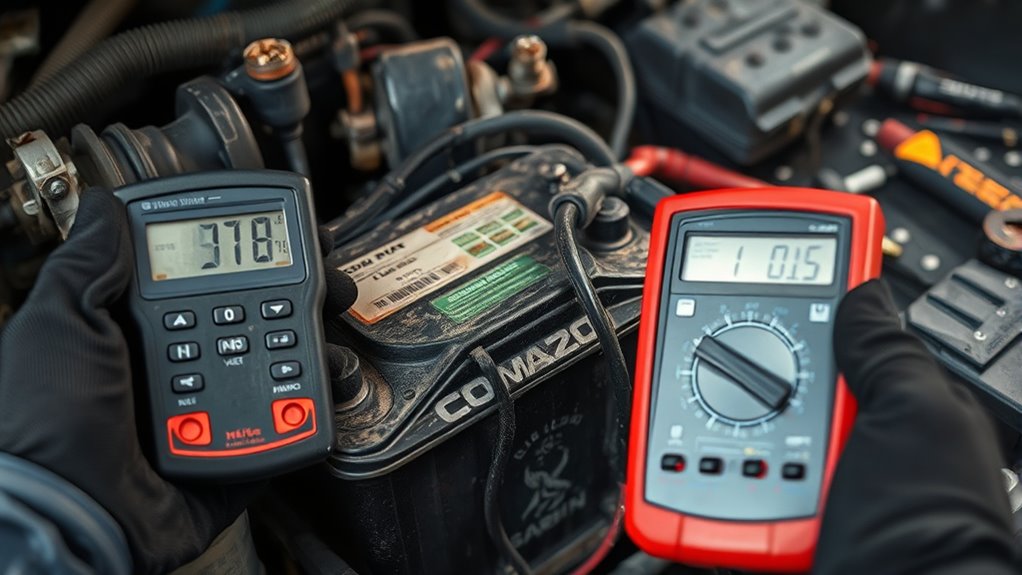
Your vehicle’s battery doesn’t last forever, and knowing when to replace it can save you from unexpected breakdowns. Batteries typically have a limited lifespan, usually around three to five years, but this can vary depending on climate, driving habits, and maintenance. Monitoring the battery’s age is vital because as it approaches the end of its lifespan, your vehicle might start showing signs of deterioration. Recognizing these signs early can help you plan for a replacement before you’re stranded.
Car batteries typically last 3-5 years; monitor age and signs of deterioration to prevent breakdowns.
One of the most obvious indicators of a failing battery is difficulty starting your car. If you notice that the engine takes longer to turn over or there’s a sluggish response when you turn the key, your battery might be losing its ability to hold a charge. Dim headlights and interior lights that seem less bright are also common signs of battery deterioration. When the battery weakens, it can’t supply enough power for the electrical components, especially when the engine isn’t running. Additionally, if your vehicle’s electronics begin acting erratically—such as the radio cutting out or warning lights flashing—these issues could point to a declining battery.
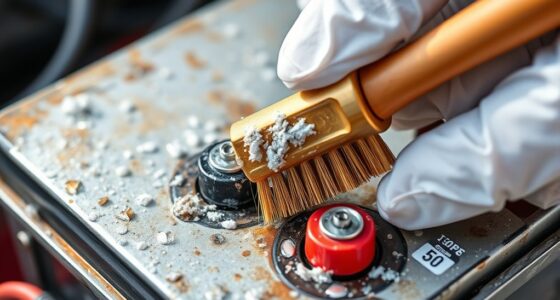
Another sign of deterioration is a foul smell coming from the engine bay, often resembling rotten eggs. This odor indicates a leaking or failing battery, which can be dangerous and should be addressed immediately. Corrosion on the battery terminals is another telltale sign. If you see white, green, or bluish deposits around the terminals, it can interfere with the connection and reduce the battery’s efficiency. Regularly inspecting your battery for corrosion and ensuring tight terminal connections can extend its lifespan and guarantee reliable performance. Proper maintenance and regular inspections are essential to prolong battery life and detect issues early.
Temperature also plays a significant role in battery health. Extreme cold can reduce a battery’s capacity, making it harder to start your vehicle, while excessive heat can accelerate internal corrosion and damage. If you live in an area with harsh weather conditions, your battery might not last as long as in milder climates. Consequently, it’s essential to keep an eye on its condition, especially as it ages.
Frequently Asked Questions
How Can I Tell if My Battery Is Swelling or Leaking?
You can tell if your battery is swelling or leaking by inspecting it closely. Look for signs of battery expansion, such as bulging or warping, especially around the edges. Also, check for chemical leakage, which may appear as a crusty or sticky residue on the surface. If you notice any of these issues, stop using the battery immediately, as it can be dangerous. Handle it carefully and replace it promptly.
Does Extreme Temperature Affect Battery Lifespan Significantly?
Think of your battery as a delicate flower, vulnerable to harsh weather. Extreme temperatures, especially heat, dramatically impact your battery’s lifespan, causing it to age faster and reducing its efficiency. Cold can also hinder performance. The temperature impact is significant—prolonged exposure can lead to early replacement needs. To extend your battery’s life, avoid leaving your vehicle in extreme heat or cold for extended periods.
Are There Specific Signs of Battery Deterioration in Electric Vehicles?
You’ll notice signs of battery deterioration in your electric vehicle through reduced range, longer charging times, and inconsistent power delivery. Battery chemistry changes over time, affecting performance. Poor charging habits, like frequent fast charging or letting the battery drain completely, can accelerate deterioration. Keep an eye on these signs, and adopt good charging habits to extend your battery’s life. If issues persist, it might be time for a professional assessment.
Can a Faulty Charging System Damage My Battery Prematurely?
A faulty charging system can definitely damage your battery prematurely. If the charging system isn’t working properly, it might overcharge or undercharge your battery, leading to battery damage. Overcharging causes excessive heat and reduces battery lifespan, while undercharging prevents proper maintenance. To avoid this, have your charging system checked regularly and address any issues promptly. Keeping the charging system in good shape helps prolong your battery’s life and ensures reliable vehicle performance.
How Often Should I Have My Battery Tested Professionally?
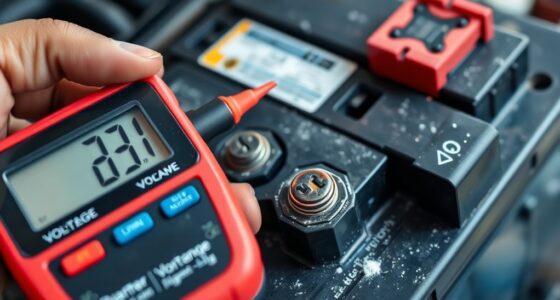
You should have your battery tested professionally at least once a year as part of regular battery maintenance. If you notice sluggish starts, dim headlights, or other electrical issues, get it examined sooner. Regular testing helps catch problems early, potentially saving you from unexpected breakdowns. Keep track of testing frequency to ensure your battery remains reliable, especially during extreme weather or after long periods of inactivity.
Conclusion
Knowing when to replace your battery keeps your device running smoothly and avoids a tech “Renaissance” where you’re stuck with dead power. Keep an eye on age, performance, and signs of wear—don’t wait until it’s a total catastrophe. Remember, even the best batteries have their day, so stay proactive. Like a trusty steed from the days of chivalry, your battery needs proper care to serve you well—so don’t let it go the way of the dodo!