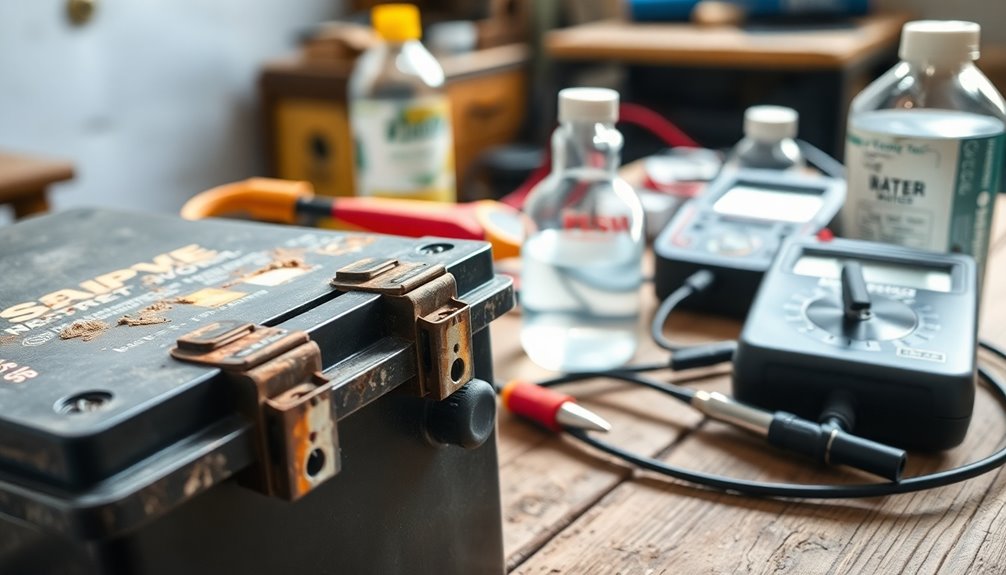

To safely charge different battery types, follow specific guidelines: for lithium-ion and lithium-polymer batteries, keep charge levels between 20% and 80%, avoid overcharging, and use compatible chargers on a cool, ventilated surface. For nickel-based batteries, perform occasional full discharges and avoid overheating. Always charge in dry, well-ventilated areas, inspect cables regularly, and stop charging if you notice damage or abnormal heat. Keep these practices in mind to protect your devices and stay safe—more details can help you master each step.
Key Takeaways
- Use the recommended charger and avoid third-party or incompatible chargers for each battery type.
- Keep lithium-ion batteries charged between 20% and 80% to extend lifespan; fully discharge nickel-based batteries occasionally.
- Charge batteries in cool, ventilated environments, avoiding extreme temperatures that can damage chemistry and performance.
- Regularly inspect batteries and cables for damage, swelling, or overheating, and stop charging if abnormalities occur.
- Follow manufacturer guidelines specific to each battery type to ensure safe handling and prevent risks like overheating or fires.

Proper battery charging practices can greatly extend the lifespan of your device’s battery and guarantee peak performance. When you focus on good battery maintenance, you ensure that your device remains reliable and efficient over time. One of the most essential aspects of battery maintenance is understanding how to charge your batteries safely, especially since different types have specific requirements to prevent damage and improve longevity. By practicing proper charging safety, you minimize risks like overheating, short circuits, or even fires, which can result from careless handling.
Proper charging practices extend battery life and ensure device safety and efficiency.
For lithium-ion batteries, which are common in smartphones, laptops, and tablets, it’s best to keep the charge level between 20% and 80%. Fully discharging or overcharging these batteries can reduce their overall lifespan. Use chargers that are compatible with your device, and avoid third-party chargers that might not meet safety standards. Always unplug your device once it reaches 100%, as leaving it plugged in for long periods can cause unnecessary stress on the battery. When charging, place your device on a hard surface in a cool, ventilated area to prevent overheating. This helps maintain safe charging conditions and protects the internal components. Proper charging habits also contribute to maintaining battery health over time.
If you’re using devices with nickel-cadmium or nickel-metal hydride batteries, remember that these batteries suffer from a “memory effect,” which means they retain a false sense of charge if not fully drained and recharged properly. It’s advisable to perform complete discharge cycles occasionally, but never let these batteries overheat during charging. For lithium-polymer batteries, similar safety precautions apply, but they are generally more tolerant to partial charges and have better thermal management. Still, you should avoid exposing these batteries to extreme temperatures during charging, as excessive heat can degrade their chemistry.
Charging safety also involves being cautious about the environment. Never charge your device in damp areas or on flammable surfaces. Keep charging cables in good condition—frayed or damaged cords increase the risk of short circuits and fires. If you notice swelling, discoloration, or unusual heat during charging, disconnect the device immediately and seek professional assistance. Following these simple but fundamental practices ensures your batteries stay healthy and safe, ultimately saving you time and money while keeping your devices functioning at their best.
Frequently Asked Questions
How Do Temperature Variations Affect Battery Charging Safety?
Temperature variations considerably impact your battery charging safety by affecting thermal management and voltage stability. When it’s too hot, your battery risks overheating, which can cause thermal runaway or damage. Conversely, cold temperatures slow chemical reactions, reducing efficiency and risking incomplete charging. Keeping temperatures within recommended ranges ensures thermal management stays effective and voltage remains stable, preventing safety issues and prolonging your battery’s lifespan during charging.
Can Overcharging Damage Specific Battery Types Permanently?
Overcharging can cause permanent damage to certain batteries, especially lithium-ion types, which lose capacity after just 300-500 charging cycles. This highlights the importance of proper battery maintenance to prevent overcharging. When you overcharge, it stresses the battery, leading to capacity loss and potential safety hazards. To preserve your battery’s longevity, avoid leaving it plugged in after full charge and use recommended chargers. Proper charging practices are essential for safe, long-term use.
Are There Eco-Friendly Charging Methods for Rechargeable Batteries?
Yes, you can use eco-friendly charging methods like solar charging to reduce environmental impact. Solar panels harness renewable energy, making your charging process more sustainable. Additionally, consider switching to biodegradable batteries, which break down naturally and minimize pollution. These options help lower your carbon footprint, promote eco-conscious practices, and support environmental health, making your rechargeable battery usage more sustainable and responsible.
What Are Signs of Improper Charging in Different Batteries?
Like a silent alarm, signs of improper charging alert you early. If your battery’s lifespan shortens unexpectedly, or charging indicators flicker or stay on too long, it’s a red flag. Overheating, swelling, or leaking also signal trouble, risking damage and safety. Recognizing these signs helps you prevent further harm, ensuring your batteries stay reliable longer. Always monitor charging behavior to keep your devices safe and functioning *best*.
How Often Should I Calibrate My Battery After Charging?
You should calibrate your battery every 1 to 3 months, depending on your device usage and charging frequency. Calibration guarantees accurate battery readings and peak performance. To calibrate, fully charge your battery, then use your device until it shuts down due to low power. Repeat this process periodically, especially if you notice inconsistent battery life or misreadings, to maintain accurate battery calibration and prolong battery health.
Conclusion
So, you’d think a little care wouldn’t matter, but ignoring proper charging practices can turn your battery into a ticking time bomb. Ironically, the very habits that seem harmless—like overcharging or using the wrong charger—are what threaten to leave you stranded. Instead, follow the guidelines, and you’ll enjoy longer-lasting, safer batteries. After all, it’s almost poetic how a bit of caution now can save you from much bigger problems later.