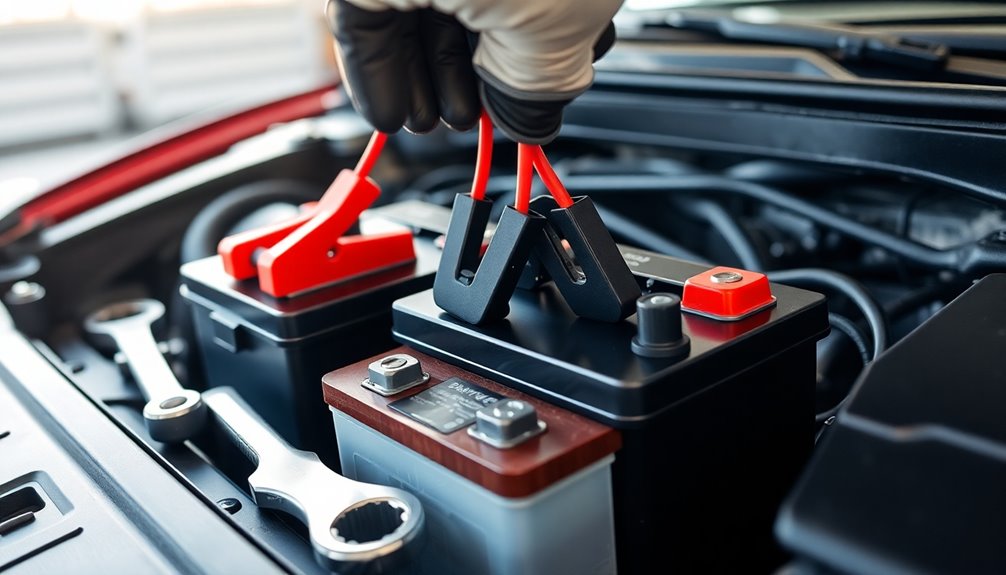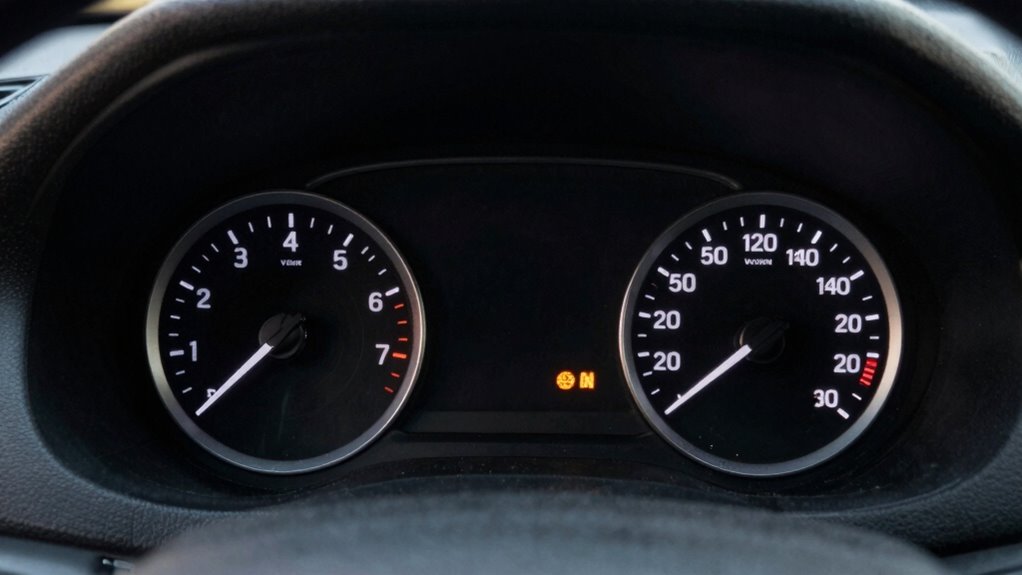

To catch early signs of a no-start, pay attention to sluggish engine turns, dimming headlights, or electrical accessories losing power. Check for corrosion or swelling around the battery, as well as any unusual smells. Listen for grinding or clicking noises when turning the key. Regularly inspect your battery, connections, and ignition components for wear or damage. By noticing these warning clues early, you can act before a breakdown occurs—continue to explore for more tips.

Get backup power and energy gear delivered free — and shop member deals
- Fast, free delivery on millions of items
- Access to Prime Big Deal Days deals on October 6–7
- Prime Video, Amazon Music and more included
Key Takeaways
- Regularly inspect battery terminals for corrosion, swelling, or damage to catch early signs of weakness.
- Monitor headlight brightness and electrical accessory performance for sudden dimming or power loss.
- Listen for unusual noises or difficulty turning the ignition key that may indicate ignition system issues.
- Check for dashboard warning lights and subtle engine performance changes indicating electrical or ignition problems.
- Perform periodic maintenance and battery testing to identify potential issues before a no-start event occurs.
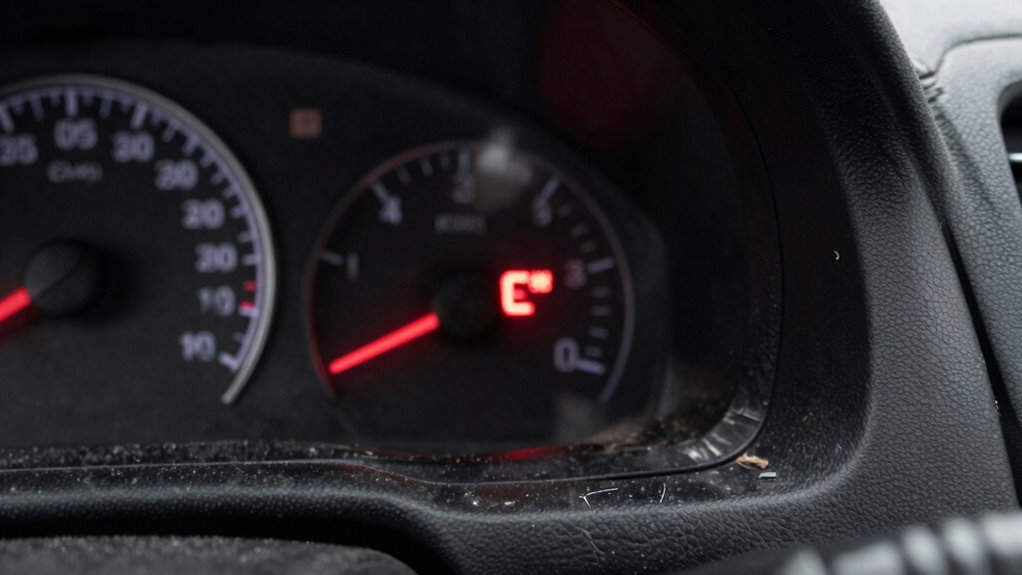
Have you ever wondered how to spot signs of trouble before they escalate? Recognizing early warning signs can save you time, money, and frustration when your vehicle refuses to start. One of the most critical aspects to monitor is your battery health. If your car’s engine turns over sluggishly or takes longer than usual to start, it could be a sign that your battery is weakening. Corrosion around the terminals, a swollen battery case, or a faint smell of sulfur are visual cues indicating that your battery might soon fail. Regularly checking your battery’s condition and ensuring tight, clean connections can help you catch these issues early. Don’t ignore dimming headlights or electrical accessories that seem to lose power quickly; these are often early signs that your battery isn’t holding a charge as well as it should.
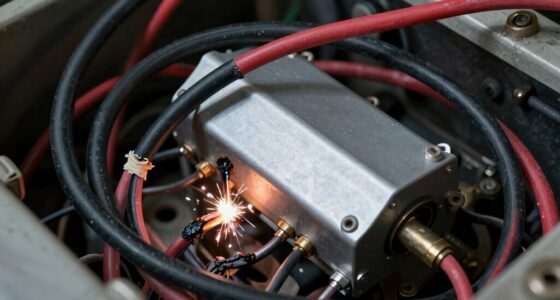
In addition to battery health, pay attention to your ignition system. If you notice repeated difficulty turning the key or if the engine sputters or stalls shortly after starting, it might point to an ignition problem. A failing ignition switch or worn ignition coils can cause inconsistent starting issues. Sometimes, the warning signs are subtle—like a misfiring engine or rough idling—that, if ignored, can lead to a no-start situation. Recognizing these symptoms early allows you to address the root cause before you’re stranded. Also, listen for unusual noises when turning the key; a grinding or clicking sound may signal a problem with the ignition system components. Being aware of electrical issues and how they develop can help you maintain a reliable starting system over time. Additionally, inspecting your electrical connections for signs of corrosion can prevent many common starting problems caused by poor contact.
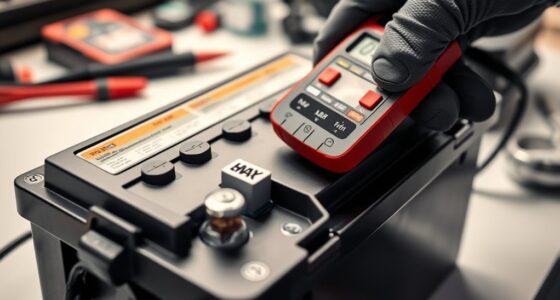
Being attentive to these early signs—whether it’s sluggish engine turns, electrical dimming, or starting difficulties—gives you the chance to take preemptive action. Regular maintenance checks can help identify potential issues with your battery and ignition system before they become critical. For example, having your battery tested periodically and inspecting the ignition components for wear can extend their lifespan and prevent unexpected breakdowns. Keep an eye on dashboard warning lights, but don’t rely solely on them; often, the initial signs are more subtle and require your personal observation. Additionally, understanding water chemistry and maintenance can help ensure your vehicle’s electrical system remains in good condition, preventing corrosion and other issues that could lead to starting problems. Proper maintenance of electrical connections, including cleaning and tightening, is essential to avoiding corrosion-related issues that compromise your vehicle’s starting ability. Staying informed about how corrosion and electrical issues develop can help you maintain a reliable starting system over time.
As an affiliate, we earn on qualifying purchases.
Frequently Asked Questions
What Are the Most Common Early Warning Signs of a No-Start Event?
You’ll notice early warning signs like dim headlights or slow cranking, indicating battery health issues. If you hear sputtering sounds or experience difficulty starting, it could point to fuel system problems. Pay attention to frequent stalling or trouble maintaining engine power. These signs often show up before a no-start event, so addressing them early can prevent your vehicle from failing to start altogether.
Can Early Signs Predict the Exact Cause of a No-Start Issue?
Think of early signs like clues in a mystery, but they can’t always tell you the exact culprit. You might notice battery corrosion or fuel system issues, but these symptoms don’t pinpoint the precise cause of a no-start event. While they help narrow down possibilities, you’ll need further diagnosis to identify whether a weak battery, clogged fuel filter, or other problems are at play.
How Early Can Warning Signs Typically Be Detected?
You can typically detect warning signs like battery corrosion or fluid leaks days or even weeks before a no-start event. If you notice corrosion around the battery terminals or see fluid leaks under your vehicle, it’s a sign that trouble may be brewing. Addressing these early indicators promptly can prevent a complete no-start situation, saving you time and costly repairs. Regular inspections help catch these issues early.
Are There Specific Tools to Monitor Early Warning Signs?
You can spot early warning signs with specialized diagnostic tools that keep a close eye on your system’s health. Maintenance alerts act as your first line of defense, warning you before a no-start event occurs. These tools monitor critical parameters, flagging issues early enough for you to act. Relying on them isn’t just smart; it’s essential for preventing unexpected failures and ensuring your equipment stays reliable and ready.
Do Warning Signs Differ Between Vehicle Makes and Models?
Yes, warning signs can differ between vehicle makes and models due to manufacturer differences and model variations. You’ll notice that some cars display dashboard alerts, unusual noises, or performance issues uniquely suited to their design. Pay close attention to these signs, and consult your vehicle’s manual or a professional to understand specific indicators for your make and model. Recognizing these differences helps you catch early trouble before a no-start event occurs.
Conclusion
By paying close attention to subtle signs like difficulty starting or strange noises, you can often prevent a no-start event altogether. Recognizing these early warnings saves you time and money, and keeps your vehicle running smoothly. Did you know that up to 80% of breakdowns could be avoided with timely maintenance and attention to warning signs? Stay alert, trust your instincts, and address issues early—your car and your wallet will thank you for it.
Fall Picks
fall essentials
As an affiliate, we earn on qualifying purchases.