
After your EV reaches the end of its life on the road, its battery usually still has 70-80% capacity remaining. Instead of tossing it out, these batteries often find a second life in energy storage systems for homes, businesses, or the grid. This reuse helps reduce environmental impact and makes the most of valuable materials. Want to discover how this process works and its benefits? There’s more to uncover about EV batteries’ second life.
Key Takeaways
- After vehicle use, EV batteries often retain 70-80% capacity, making them suitable for second-life applications.
- Second-life batteries are repurposed for energy storage in homes, businesses, and grid stabilization projects.
- Recycling recovers valuable materials, reducing environmental impact and supporting sustainable resource management.
- Extending battery lifespan through second-life use delays recycling and maximizes the battery’s value.
- Adoption of second-life batteries is increasing, contributing to resilient, cost-effective, and eco-friendly energy solutions.
As electric vehicle (EV) adoption grows, managing the batteries they use becomes increasingly important. When your EV reaches the end of its life on the road, it’s not just about replacing the vehicle; it’s about what happens to its battery afterward. Instead of simply discarding these batteries, the industry is focusing on maximizing their reuse potential and exploring sustainable ways to handle them through processes like battery recycling. This shift isn’t just good for the environment—it also opens up valuable opportunities for cost savings and resource efficiency.
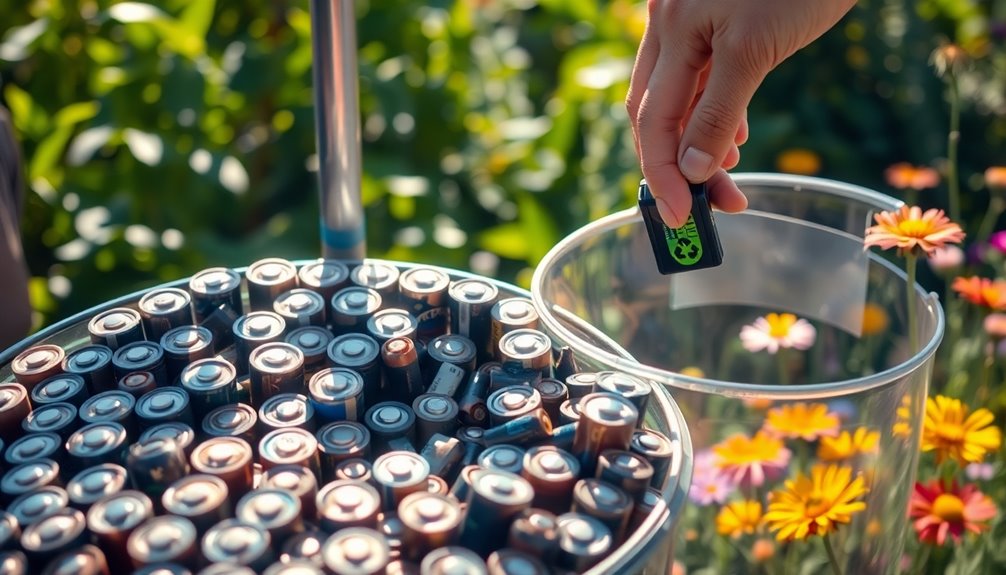
Battery recycling plays a crucial role in managing EV batteries once they’re no longer suitable for vehicle use. You might think of recycling as a way to dispose of waste, but in the case of EV batteries, it’s a strategic process that allows valuable materials like lithium, cobalt, and nickel to be recovered and reused. This reduces the demand for mining new raw materials, which is both environmentally damaging and resource-intensive. By recycling batteries, you help close the loop, transforming what could be waste into new, usable components for future batteries. This process reduces environmental impact and supports the sustainability of the EV industry as a whole.
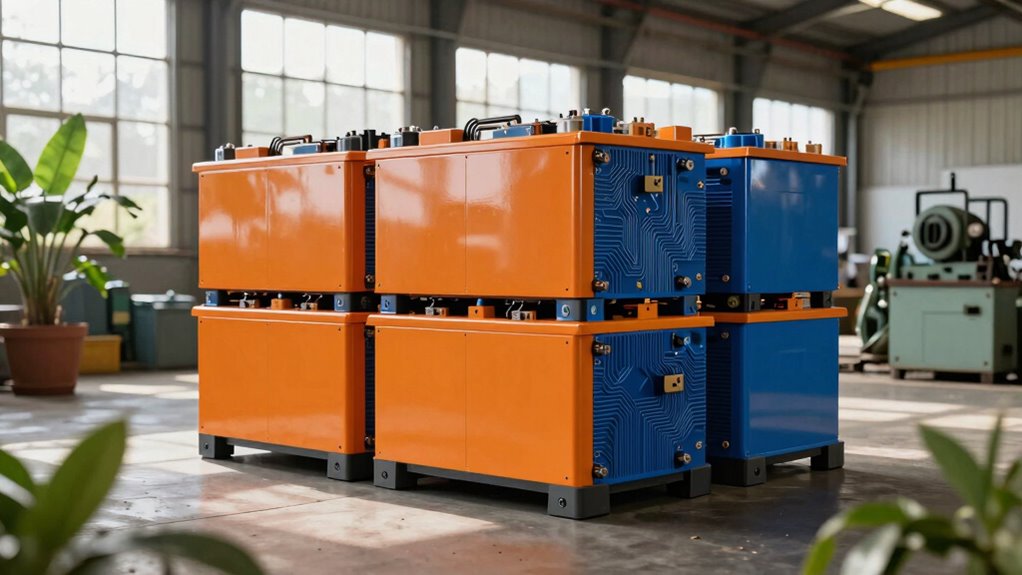
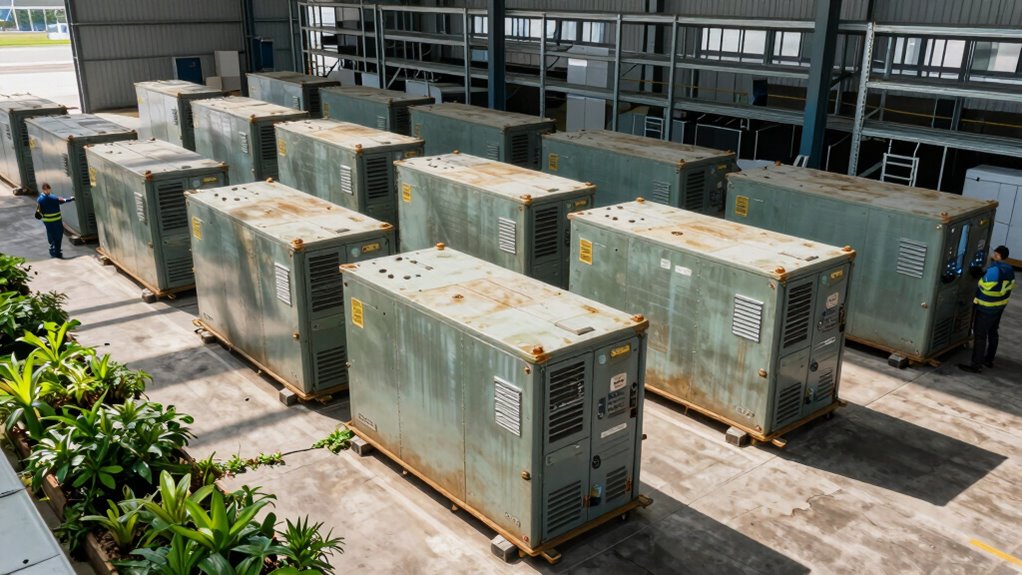
However, before recycling becomes necessary, there’s a significant push to evaluate the reuse potential of EV batteries. Many of these batteries still retain a substantial capacity—often around 70-80%—even after their automotive life ends. This residual capacity makes them ideal for second-life applications, such as energy storage for homes, businesses, or grid stabilization. You can think of these batteries as assets with a second chance to serve a purpose, extending their usefulness beyond the initial vehicle. Such reuse potential not only delays recycling but also provides affordable, reliable energy storage solutions, especially in areas where grid infrastructure might be limited.
This second-life use of EV batteries offers multiple benefits. It reduces the environmental footprint associated with manufacturing new energy storage systems and alleviates pressure on raw material extraction. For you, it means more sustainable energy solutions and potentially lower costs for energy storage systems. As technology advances, the integration of second-life batteries into various applications will likely become more efficient and widespread, further boosting their reuse potential. Embracing innovative energy solutions like second-life EV batteries can also contribute to a more resilient and sustainable energy ecosystem worldwide.
Frequently Asked Questions
How Long Do EV Batteries Typically Last Before Second Life?
You can expect your EV battery to last around 8 to 10 years before reaching its second life. The battery lifespan depends on degradation factors like charging habits, climate, and usage patterns. As the battery ages, its capacity decreases, making it less efficient for driving. Once it hits about 70-80% of its original capacity, it’s usually suitable for second-life applications like energy storage, extending its usefulness beyond the vehicle.
What Are the Environmental Benefits of Repurposing EV Batteries?
Think of repurposing EV batteries as giving trees a second chance to grow. You help reduce recycling challenges and lessen ecological impact by extending battery life. This process prevents hazardous materials from polluting the environment and cuts down on resource extraction. By reusing batteries, you actively contribute to a more sustainable future, lowering emissions and conserving natural resources, making a positive difference for both the planet and future generations.
Can Second-Life EV Batteries Be Recycled at End of Life?
Yes, second-life EV batteries can be recycled at end of life. You can participate in battery recycling programs and second life initiatives that guarantee valuable materials like lithium, cobalt, and nickel are recovered and reused. These initiatives help reduce environmental impact and resource depletion. By recycling, you contribute to a sustainable cycle, giving batteries a second chance before they are fully disposed of, supporting a greener future.
How Cost-Effective Is Repurposing EV Batteries Compared to New Ones?
You might be surprised, but repurposing EV batteries can be more cost-effective than buying new ones, especially when considering the cost comparison and economic viability. While initial investments seem high, second-life batteries often cost less and still perform well for grid storage or backup power. This approach not only saves money but also extends battery life, making it a smart, sustainable choice that could reshape your view on EV technology’s future.
Are Second-Life EV Batteries Safe for Stationary Energy Storage?
Yes, second-life EV batteries are safe for stationary energy storage if they meet strict safety standards. You can trust their durability, as manufacturers perform extensive testing to guarantee they remain reliable over time. Proper monitoring and maintenance further enhance safety, reducing risks of failure. When these batteries are properly repurposed and tested, they provide a cost-effective and secure way to store energy for your home or business.
Conclusion
So, don’t worry about your EV battery’s end-of-life. Its second life can be just as valuable, powering homes or storing energy for years to come. Some might think it’s not worth the hassle, but in reality, extending a battery’s use reduces waste and boosts sustainability. By embracing second-life batteries, you’re not just saving money—you’re actively helping the environment. It’s a win-win, proving that even after your car, your battery still has a lot of power left.