
Government funding and grants are available to support your efforts in battery innovation, focusing on research, recycling, and infrastructure development. These funds often target projects that improve recycling efficiency, create advanced battery technologies like solid-state, and expand EV charging stations. Public-private partnerships are common, helping you access resources and reduce financial barriers. If you want to discover how these initiatives can fuel your projects and boost sustainability, keep exploring the opportunities ahead.
Key Takeaways
- Governments provide grants to support research and development of advanced battery technologies, including solid-state and safer storage solutions.
- Funding initiatives prioritize recycling methods to recover valuable materials and promote sustainability within the battery industry.
- Public-private partnerships are encouraged through grants to accelerate innovation and commercialization of new energy storage solutions.
- Infrastructure development grants aim to expand reliable EV charging stations, integrating renewable energy sources.
- Pilot projects and demonstrations funded by the government help validate new battery and recycling technologies for large-scale deployment.

Innovations in battery technology are essential for advancing clean energy and electric vehicles, but developing these breakthroughs often requires significant funding. Governments recognize the importance of supporting research and development in this field, offering various grants and programs to accelerate progress. One key area gaining attention is battery recycling, which aims to reduce waste, lower costs, and improve sustainability. Funding agencies are increasingly prioritizing projects that develop efficient methods for reclaiming valuable materials from used batteries, ensuring the industry moves toward a circular economy. By investing in battery recycling initiatives, governments help reduce the environmental impact of EV batteries and make the entire lifecycle more sustainable.
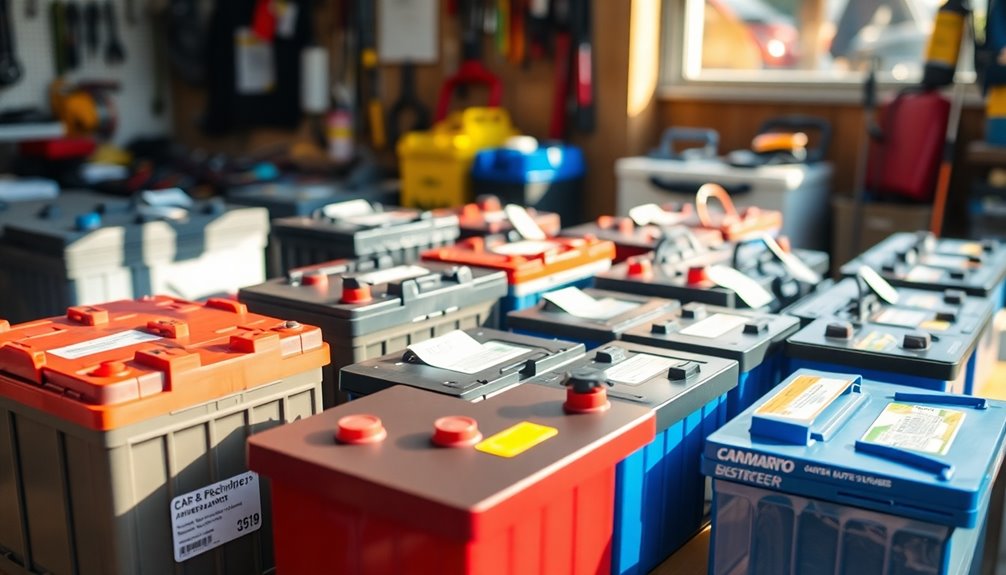
Supporting battery recycling research advances sustainability and reduces waste in electric vehicle technology.
Another critical focus is enhancing EV charging infrastructure. As electric vehicles become more popular, the need for widespread, reliable charging stations grows. Governments allocate funds to expand charging networks, making EV ownership more accessible and convenient. These grants often target innovations that improve charging speed, affordability, and integration with renewable energy sources. By supporting the development of advanced EV charging technologies, policymakers aim to accelerate adoption, lower emissions, and reduce dependence on fossil fuels.
Public funding also encourages private sector involvement in battery research. Many grants are designed to foster collaboration between academia, industry, and government agencies. This synergy helps accelerate breakthroughs, from solid-state batteries to safer, more durable energy storage solutions. When you pursue these grants, you tap into resources that can cover everything from laboratory equipment to pilot projects, reducing the financial burden typically associated with innovation. This support not only speeds up development cycles but also helps bring new battery technologies to market faster.
Furthermore, government programs often include provisions for pilot projects and demonstrations, allowing you to test new concepts in real-world conditions. For example, you might develop a more sustainable battery recycling process or a more efficient EV charging station, then showcase its viability in a community setting. Such demonstrations are critical for attracting further investment and scaling solutions that can have a meaningful environmental impact.
Ultimately, government funding and grants serve as powerful catalysts for battery innovation. They enable you to push the boundaries of current technology, improve recycling methods, and expand EV charging infrastructure—all essential for a cleaner, more sustainable future. By leveraging these resources, you can help shape the next generation of energy storage solutions, making electric transportation more practical, eco-friendly, and accessible to everyone.
Frequently Asked Questions
What Are the Eligibility Criteria for Applying for Government Battery Grants?
You need to demonstrate your focus on battery safety and show how your project advances safe, innovative battery technology. During the grant application process, you’ll submit detailed proposals outlining your objectives, methodologies, and potential impact. Make certain you meet the eligibility criteria, such as being a registered organization or researcher in the relevant field. Also, highlight how your work aligns with the grant’s goals to improve battery safety and innovation.
How Long Does It Typically Take to Receive Funding Approval?
Ever wonder how long it takes to get that funding approval? Typically, the application timelines for government grants can range from a few months to over a year, depending on the program and completeness of your submission. Once approved, funding duration varies but often spans 1 to 3 years. Staying patient and prepared for potential delays is vital, as thorough reviews are necessary to guarantee your project aligns with funding priorities.
Are There Specific Geographic Regions Prioritized for Grants?
You’ll find that certain regions, especially those with strong regional incentives, are prioritized for grants. Governments often focus on areas with existing infrastructure or strategic importance, encouraging international collaborations to boost innovation. You should explore regional programs and partnerships that align with your project, as these targeted grants can accelerate your funding process. Keep an eye on specific geographic priorities to maximize your chances of securing support for battery innovations.
What Reporting Requirements Are Attached to Funded Projects?
Think of grant compliance like tending a garden—you need to regularly check on your plants to guarantee they thrive. For funded projects, you must submit progress reports demonstrating adherence to reporting standards. These include financial statements, project milestones, and impact assessments. Failing to meet these reporting requirements can jeopardize future funding, so stay diligent, keep detailed records, and communicate transparently to assure your project remains in good standing.
Can Private Companies Apply Jointly With Academic Institutions?
Yes, private companies can apply jointly with academic institutions for funding. Industry partnerships are encouraged to foster collaboration, innovation, and knowledge sharing. When you form these partnerships, you’ll need to address intellectual property rights upfront, clarifying ownership and licensing agreements. This collaboration often strengthens your proposal, demonstrating a combined effort to advance battery technology, and increases your chances of securing funding by leveraging the strengths of both industry and academia.
Conclusion
By securing government funding and grants, you can turn your battery innovations into reality, fueling progress and sustainability. Imagine transforming a spark of idea into a powerful energy source—like a seed growing into a thriving tree. These resources act as the foundation, supporting your vision from concept to commercialization. With the right support, you hold the potential to light up the future, bridging the gap between ambition and achievement.