TL;DR

Get backup power and energy gear delivered free — and shop member deals
- Fast, free delivery on millions of items
- Access to Prime Big Deal Days deals on October 6–7
- Prime Video, Amazon Music and more included
Portable solar power stations are rechargeable batteries that store solar energy for use away from the grid. They’re perfect for camping, emergencies, or backup power, but sizing, capacity, and features matter. Choosing the right station depends on your device needs and mobility requirements.
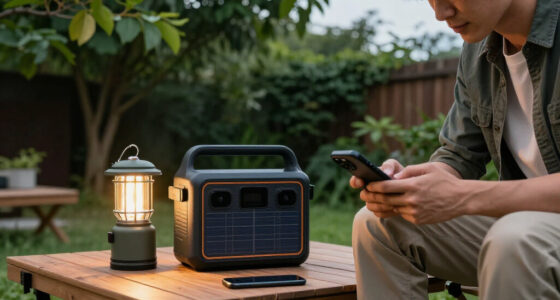
Imagine sitting in your backyard, a gentle breeze stirring the trees, and knowing that your power comes entirely from the sun. No noise, no fumes — just clean, silent energy stored in a sleek, portable box. That’s what a portable solar power station offers. It’s not just a gadget; it’s a game-changer for anyone who needs reliable power away from the grid.
Whether you’re camping, facing a blackout, or prepping for an outdoor event, understanding how these stations work can save you money, stress, and environmental impact. In this blog, you’ll learn what makes a good portable solar power station, how to pick one for your needs, and the recent innovations making them better than ever.
Match your station’s capacity with your device’s watt-hour needs, adding a buffer for real-world inefficiencies.
Prioritize pure sine-wave inverters and durable lithium battery chemistry (like LiFePO4) for sensitive and long-term use.
Understand solar input limits; more panels don’t always mean faster charging—compatibility and weather matter.
Evaluate portability based on weight, size, and your ability to transport, especially for outdoor or travel use.
Invest in quality features like safety certifications, good warranty, and support to protect your investment and ensure peace of mind.
Why Your Portable Solar Power Station Size Matters More Than You Think
Choosing the right size for your station is like picking the right backpack — too small, and you’ll leave essentials behind; too big, and it becomes a burden. Capacity, measured in watt-hours (Wh), shows how much energy your station can store. For example, a 500 Wh unit can run your phone, laptop, or LED lights for days, but a fridge or power tools will drain it quickly.
Let’s say you want to run a mini fridge that consumes about 50 watts. A 500 Wh station could power it for roughly 8-10 hours, but that’s not accounting for inverter losses or efficiency. A station with 1,500 Wh can keep it running all day and into the night. Think about your typical devices: a smartphone, a small TV, a couple of LED lanterns, or a portable refrigerator? Match capacity accordingly.
Remember, real-world use is less than the rated capacity because of losses and inefficiencies. So, always add a buffer — a 20-30% margin is smart for longer trips or outages. Choosing a station that slightly exceeds your calculated needs ensures reliable performance, especially when weather conditions or device efficiency vary. This foresight helps prevent unexpected shutdowns and extends the usability of your power station in critical moments.
portable solar power station 1000Wh
As an affiliate, we earn on qualifying purchases.
As an affiliate, we earn on qualifying purchases.
How to Pick the Perfect Output Power for Your Devices
Output power, measured in watts, determines which devices you can run. A station might have enough stored energy but still lack the inverter capacity to start a fridge or power tool. For example, a microwave with a 1,000-watt rating needs an inverter that can handle at least 1,200 watts surge.
If you want to run multiple devices simultaneously, check the combined continuous wattage and surge ratings. A good rule of thumb: add up the wattage of all devices running at once, then choose a station with at least 25% more capacity. This extra margin accounts for surges and prevents overloads, which can damage your equipment or cause shutdowns at critical moments.
For sensitive electronics like cameras or medical devices, look for pure sine-wave inverters. They produce clean, stable power similar to grid electricity, which is essential for preventing malfunctions or damage. Think of it like the difference between a smooth, flowing river and a choppy stream—your electronics prefer the smooth flow to operate safely and efficiently. Investing in a station with a robust inverter capacity and high-quality waveforms ensures your devices are protected and perform optimally, especially under demanding conditions.
Understanding Battery Chemistry: Which One Lasts Longer?
Not all batteries are created equal. The most common lithium chemistries are Lithium Iron Phosphate (LiFePO4) and Nickel Manganese Cobalt (NMC). LiFePO4 batteries are like the marathon runners of the battery world—long-lasting, stable under heat, and with a cycle life that often exceeds 2,000 full cycles. NMC batteries are lighter and pack more energy into less space, but they typically last around 1,000 cycles.
Imagine using your station daily for two years. An LiFePO4 battery might still have over 80% capacity left, while an NMC could be significantly degraded. If you plan to use your station regularly or over many years, prioritizing LiFePO4 makes sense because it offers greater longevity and safety, reducing replacement costs over time. Conversely, if your use is infrequent or for short-term projects, NMC batteries provide a lighter, more compact option with decent performance.
The key is to check the cycle life claims against real-world use. A longer cycle life not only extends the lifespan but also offers better long-term value, minimizing the need for replacements and ensuring consistent performance during critical times.
Solar Charging: How Fast Can Your Station Refill from the Sun?
Solar input is the heart of eco-friendly portable power. But don’t be fooled by the advertised wattage—real-world conditions matter significantly. A 200-watt panel won’t always produce 200 watts; cloud cover, angle, temperature, and shading reduce output. Typically, expect about 60-80% of the rated wattage in good sunlight, which can impact your recharge times.
To estimate charging time, divide your station’s capacity by the actual solar input, considering efficiency losses. For example, a 1,000 Wh station with a 200-watt panel in ideal conditions might take around 5 hours to fully recharge. However, on a cloudy day, this could stretch to 8 or more hours, affecting your planning. Understanding these variables helps you set realistic expectations and avoid being caught unprepared during critical moments.
Additionally, many stations have specific input voltage and current limits. Connecting more panels than the station can handle won’t necessarily speed up charging and could even damage your equipment. Using compatible panels and monitoring weather conditions allows you to optimize your charging schedule, ensuring you have power when needed most.
The Ports and Inverter Features That Actually Matter
When it comes to ports, the devil is in the details. USB-A, USB-C, AC outlets, and 12V ports each serve different needs, and understanding their differences ensures you choose a station that fits your device lineup. For instance, USB-C Power Delivery can deliver rapid charging for phones and laptops, saving time and energy. AC outlets are essential for running larger appliances like mini-fridges or power tools, but their capacity depends on the inverter’s ability to handle surge loads.
Pure sine-wave inverters are worth paying extra for—these produce smooth, stable power similar to household outlets, which is crucial for sensitive electronics like cameras, medical devices, or audio equipment. If you plan to run equipment that relies on clean power, investing in a station with a high-quality inverter prevents malfunctions, damage, or data loss. Some models feature multiple ports, wireless charging pads, or specialized outlets, offering convenience and future-proofing. However, more ports don’t necessarily mean better—focus on the types and number of ports you genuinely need to avoid unnecessary complexity and cost.
Portability: How Heavy Is Too Heavy?
“Portable” can mean anything from a lightweight backpack to a wheeled suitcase. Small units under 10 pounds are perfect for backpacking, while larger ones over 30 pounds need handles, wheels, or even two people to move comfortably. Consider your typical use case—will you carry it yourself, or need help?
Imagine hiking into a remote campsite with a 20-pound station slung over your shoulder versus rolling a 50-pound beast on wheels. For regular outdoor use, weight matters because it directly impacts your energy, effort, and convenience. Also, check dimensions—will it fit in your car trunk or storage closet? A compact design can be a game-changer for transport and storage.
Some brands add features like ergonomic handles or foldable panels to improve portability. Ultimately, pick something manageable for your strength and travel plans, since the best device is the one you’ll actually carry and use regularly without frustration or injury.
Safety First: Keep Your Power Station Secure and Protected
Safety isn’t just a box to check. Reputable portable power stations include a Battery Management System (BMS) that guards against overcharging, overheating, and short circuits. But user vigilance still matters—no system is foolproof.
Always keep your station dry, in a ventilated spot, and away from extreme heat—think of it as a delicate guest at a summer picnic. Proper placement prevents overheating and prolongs battery life. Avoid leaving it in hot cars or in direct sunlight for extended periods, which can accelerate degradation or even cause safety hazards. Damaged or swollen batteries are a red flag—stop using the unit immediately and seek professional assessment.
While these stations emit no exhaust, don’t forget they connect to appliances that may pose fire or ventilation risks indoors. Use them responsibly, follow manufacturer instructions for storage, handling, and operation, and regularly inspect for signs of wear or damage to maintain safe operation over time.
What You Need to Know About Cost and Value
Price tags vary widely—some under $500, others over $2,000. But higher cost often correlates with better features, longer lifespan, and more power capacity. When comparing options, consider the cost per watt-hour, inverter quality, battery chemistry, and solar input capability to assess true value. A more expensive unit with advanced features may save money in the long run by lasting longer and performing more reliably.
For instance, a $1,200 station with 1,500 Wh capacity and fast solar input might be a smarter investment than a cheaper model that lacks quick charging or has a shorter cycle life. Additionally, factor in accessories like extra batteries, weatherproof cases, or solar panels—these can significantly enhance your setup but add to initial costs. Think of it as building a complete system rather than just buying a single component.
Don’t forget to check reviews and support options. A good warranty and responsive customer service can prevent headaches later, especially for equipment that might see heavy use or critical applications.
Latest Trends: What’s New in Portable Solar Power Stations?
The market is buzzing with innovations. Longer-lasting LiFePO4 batteries, faster charging speeds, and bigger solar input ranges are now standard. Many models feature app control, remote monitoring, and modular designs that grow with your needs. These advancements improve user experience, efficiency, and adaptability, making portable stations more practical for a variety of scenarios.
Some stations now support bidirectional charging—meaning they can recharge your electric vehicle or even act as a UPS for your home—adding versatility and resilience. Larger capacity units are bridging the gap between camping gear and home backup systems, offering a scalable solution for different energy needs. These technological improvements make portable solar stations more reliable, user-friendly, and integrated into modern energy systems. As renewable energy becomes more mainstream, expect even more innovations that make clean power accessible, affordable, and convenient for everyone.
Staying updated on these trends allows consumers to select equipment that not only meets current demands but also adapts to future needs, ensuring long-term value and sustainability.
Frequently Asked Questions
How large a power station do I need?
List each device’s running wattage, starting wattage, and desired operating time. Add up the total watt-hours needed, and choose a station with at least 20-30% extra capacity. Make sure the inverter can handle the highest surge load, especially for motors or appliances with starting surges.
Can it run a refrigerator?
Yes, many portable stations can run a fridge, but check that the inverter can handle the startup surge (often 2-3 times running wattage). Also, ensure the battery capacity exceeds the fridge’s daily consumption—typically 50-150Wh per hour, depending on size and efficiency.
How long does solar charging take?
Charging time depends on solar panel wattage, sunlight conditions, and the station’s input limits. Divide your station’s capacity by the actual solar input, then factor in inefficiencies. Expect anywhere from 4 to 8 hours in good sunlight for a full recharge of a 1,000 Wh unit with 200W panels.
Can I connect third-party solar panels?
Yes, if their voltage, wattage, and connectors match your station’s specifications. Always verify compatibility—using incompatible panels can damage your equipment or reduce efficiency. Check the maximum input voltage and current ratings carefully.
Is it safe to leave it plugged in all the time?
Some stations support pass-through charging for continuous use, but it depends on the model. Follow manufacturer instructions, and avoid overcharging or exposing the unit to extreme temperatures. Regularly check for signs of damage or swelling, and store in a cool, dry place.
Conclusion
Portable solar power stations are a smart way to bring clean, quiet energy wherever you go. They’re not just for camping—they’re a reliable backup during outages, a tool for outdoor projects, and a step toward greener living.
Pick the right size, prioritize safety, and understand the limits of solar charging. With the right station, you can enjoy the sun’s power without the noise or fumes—just pure, sustainable energy at your fingertips.
Fall Picks
fall essentials
As an affiliate, we earn on qualifying purchases.