Rechargeable alkaline batteries work by reversing chemical reactions inside the cell, allowing you to recharge and reuse them multiple times. They contain materials similar to regular alkalines but are specially designed for reversibility, restoring their chemical energy when connected to an external power source. This process reduces waste and saves money over time. If you want to learn more about how these eco-friendly batteries power your devices repeatedly, keep exploring the details behind their innovative design.
Open a free Amazon Business account
Business pricing, bulk buying and tax-exempt orders.
As an affiliate, we earn on qualifying purchases.
Key Takeaways
- Rechargeable alkaline batteries use reversible chemical reactions to restore energy during recharging.
- External power supplies send current to reverse the chemical processes, re-energizing the chemicals.
- They contain specialized components that enable the chemical reactions to be reversible, unlike traditional alkalines.
- This process allows multiple recharge cycles, reducing waste and environmental impact.
- Despite fewer cycles than other batteries, they provide long-lasting, eco-friendly power for everyday devices.
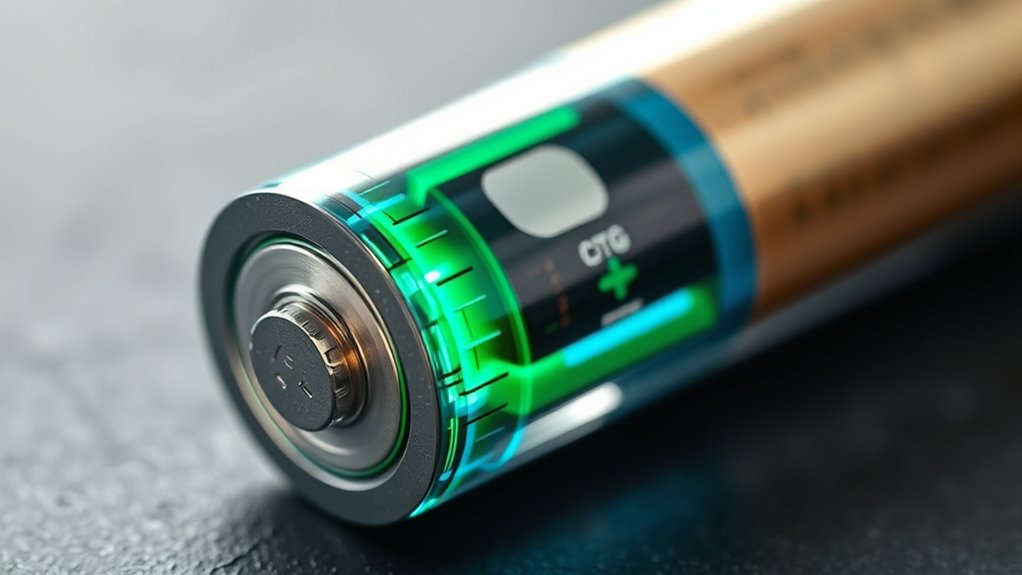
Have you ever wondered if alkaline batteries can be reused? The answer is yes, and rechargeable alkaline batteries are designed to give you multiple uses, unlike traditional single-use batteries. To understand how they work, it helps to know about battery chemistry. Rechargeable alkaline batteries are built with a chemistry similar to standard alkaline batteries, which use zinc and manganese dioxide as their core materials. However, they contain specialized components and design tweaks that allow the chemical reactions to be reversed, enabling them to be recharged and reused many times. This process involves restoring the chemical potential energy that was released during the initial discharge, so you can power your devices again without replacing the battery.
The way these batteries work is quite clever. When you use a rechargeable alkaline battery, chemical reactions occur that produce electrical energy. During recharging, an external power source sends current back through the battery, forcing the chemical reactions to reverse. This restoration process effectively re-energizes the battery’s chemicals, preparing it for another cycle of use. Because the chemistry is similar to that of disposable alkalines, they tend to have a high energy density, making them suitable for devices that require long-lasting power. Additionally, advancements in battery technology have improved their reliability and rechargeability.
While rechargeable alkaline batteries offer convenience, they also have a significant environmental impact compared to single-use batteries. Traditional alkaline batteries often end up in landfills, where their chemicals can leach into the soil and water, posing environmental risks. Rechargeable versions help reduce waste because you can use them repeatedly over many cycles, decreasing the number of batteries that need to be manufactured, transported, and disposed of. This reduction in waste helps lessen the environmental footprint associated with battery disposal. *furthermore*, the manufacturing process for rechargeable alkalines often emphasizes sustainability, aiming to produce batteries that are more eco-friendly and contain fewer hazardous materials.
Despite their benefits, it’s worth noting that rechargeable alkaline batteries generally have a lower cycle life than nickel-metal hydride or lithium-ion batteries, meaning they can only be recharged a limited number of times before performance declines. Still, their ability to be reused multiple times makes them a smart choice for everyday devices, especially when considering the environmental impact. By choosing rechargeable alkaline batteries, you’re not only saving money but also helping to reduce the amount of toxic waste that ends up polluting our planet. This balance of chemistry and environmental consciousness makes rechargeable alkalines a practical and eco-friendly option for powering your daily devices.
As an affiliate, we earn on qualifying purchases.
Frequently Asked Questions
How Many Recharge Cycles Can Rechargeable Alkaline Batteries Typically Endure?
You can usually expect rechargeable alkaline batteries to endure around 20 to 30 cycle longevity. Their recharge capacity tends to decline with each cycle, meaning they might hold less power over time. While they’re convenient for occasional use, if you need batteries with a higher recharge capacity and longer cycle life, consider NiMH or lithium-ion options. Keep in mind that frequent recharging can speed up capacity loss in alkaline types.
Are Rechargeable Alkaline Batteries Environmentally Safer Than Single-Use Ones?
Yes, rechargeable alkaline batteries are generally more environmentally safe than single-use ones. They reduce waste and lessen the environmental impact because you can reuse them multiple times. Plus, their recycling processes help recover valuable materials, minimizing pollution. By choosing rechargeable alkaline batteries, you help lower landfill waste and support more sustainable practices, making them a better choice for eco-conscious consumers.
What Are the Main Differences Between Rechargeable Alkaline and Lithium-Ion Batteries?
You’ll notice that rechargeable alkaline batteries use alkaline battery chemistry, which allows for multiple recharge cycles, but they typically have lower charge retention than lithium-ion batteries. Lithium-ion batteries rely on lithium-ion chemistry, offering higher energy density and better charge retention over time. This makes lithium-ion more suitable for high-drain devices, while rechargeable alkalines are often used for lower-drain applications. The main difference lies in their chemistry and how well they hold a charge.
Can Rechargeable Alkaline Batteries Be Used in High-Drain Devices?
While rechargeable alkaline batteries are convenient, they’re not ideal for high-drain devices. Their battery capacity drops quickly under heavy use, which can lead to shorter device run times. You might find them compatible with some low-drain gadgets, but for high-drain devices, lithium-ion batteries outperform them in both capacity and longevity. So, if you want reliable performance, stick with batteries specifically designed for high-drain applications.
How Should Rechargeable Alkaline Batteries Be Stored to Maximize Lifespan?
To maximize lifespan, store your rechargeable alkaline batteries in a cool, dry place away from direct sunlight and extreme temperatures. Use storage tips like keeping them in a sealed container or original packaging to prevent moisture and corrosion. Avoid leaving batteries fully drained or fully charged for long periods. Proper storage helps preserve their capacity, ensures they stay ready when needed, and prolongs their overall lifespan.
Conclusion
Now that you understand how rechargeable alkaline batteries work, imagine holding a once-drained device in one hand and a fully powered one in the other. It’s like turning back time, restoring energy and life into your gadgets. Unlike single-use batteries that fade away, these rechargeable ones are like a cycle of renewal, promising sustainability and reliability. So next time you power up, think of them as tiny reservoirs of endless potential, ready to energize your world again and again.
NFL season / tailgating Picks
team gear
As an affiliate, we earn on qualifying purchases.