Lithium-ion batteries come in four main families: NMC, NCA, LFP, and LTO, each suited for different needs. NMC offers high energy density ideal for electric vehicles, while NCA provides excellent longevity and stability. LFP batteries are safer with longer cycle life, perfect for stationary storage and buses. LTO batteries excel in rapid charging and durability but have lower energy density. Exploring these options helps you understand which one best fits your application as you learn more.
Key Takeaways
- NMC and NCA batteries offer high energy density and are widely used in electric vehicles, with ongoing efforts to reduce cobalt content.
- LFP batteries utilize phosphate cathodes, providing enhanced safety, longer cycle life, and environmental friendliness, suitable for stationary storage and buses.
- LTO batteries employ titanium oxide anodes, enabling rapid charging and high durability, but have lower energy density compared to other chemistries.
- NMC and NCA are chemistry innovations focused on improving performance, safety, and sustainability, including reducing cobalt usage.
- Each lithium-ion chemistry family balances specific advantages, making them suitable for different applications such as portable devices, EVs, and grid storage.
Lithium-ion batteries have revolutionized portable power by offering high energy density, long cycle life, and lightweight design. When you look into different lithium-ion battery families—like NMC, NCA, LFP, and LTO—you’ll notice that each type has unique characteristics tailored for specific applications. A key factor in understanding these differences is battery chemistry innovations. Advances in chemistry have allowed manufacturers to optimize performance, safety, and lifespan while also addressing environmental impact considerations. For example, improvements in cathode materials have made some batteries more environmentally friendly, reducing reliance on problematic metals and lower-impact manufacturing processes.
In the case of NMC batteries, which combine nickel, manganese, and cobalt, you benefit from a high energy density ideal for electric vehicles and portable electronics. These batteries have seen ongoing chemistry innovations aimed at reducing cobalt content, which is both expensive and environmentally challenging to source. This shift not only helps lower costs but also diminishes the environmental footprint associated with mining and refining cobalt. Similarly, NCA batteries—featuring nickel and cobalt—are known for their longevity and stability, but they face similar concerns regarding their environmental impact. Recent developments focus on minimizing cobalt usage and enhancing recyclability, aligning with broader sustainability goals.
Lithium iron phosphate (LFP) batteries stand out because they use phosphate-based cathodes, which are more abundant and less toxic than nickel or cobalt alternatives. Their chemistry innovations have led to safer, more thermally stable batteries with longer cycle lives, making them a popular choice for stationary storage and electric buses. LFP batteries also present fewer environmental considerations during manufacturing and disposal, since they avoid the problematic metals found in other chemistries. On the other hand, lithium titanate (LTO) batteries, which use titanium oxide, excel in rapid charging and high cycle life. These batteries are highly durable and safer, but their lower energy density means they’re less suitable for portable devices. The environmental impact of LTO is generally positive, as titanium is abundant and less environmentally taxing to produce.
Additionally, ongoing research into Vetted Archives – StrongMocha aims to improve the sustainability and performance of all these battery chemistries, highlighting the importance of continuous innovation in this field.

16pcs CATL 3.7V 60ah NCM Cell NMC Prismatic Cells Lithium Ion Battery Cell For 48V 60v 72V Electric Car Motorcycle
★【16pcs 3.7V 60Ah】These 3.7V 60Ah Battery cells are produced by CATL, benefit from advanced equipment and strict quality…
As an affiliate, we earn on qualifying purchases.
As an affiliate, we earn on qualifying purchases.
Frequently Asked Questions
How Do NMC and NCA Compare in Energy Density?
You’ll find that NMC batteries generally have a slightly lower energy density compared to NCA batteries. In a material composition analysis, NCA’s higher nickel content boosts its energy density, making it ideal for high-performance applications. NMC, with a balanced mix of nickel, manganese, and cobalt, offers good energy density and stability. So, if max energy density is your priority, NCA tends to outperform NMC.
Are LFP Batteries Safer Than NMC and NCA?
You’ll find LFP batteries are generally safer than NMC and NCA because they have a more stable chemistry, reducing the risk of thermal runaway. This stability makes thermal management easier and safer. Plus, LFP batteries are more environmentally friendly regarding battery recycling, as they contain fewer toxic materials. Overall, their safer chemistry and simpler recycling process contribute to a lower risk profile compared to NMC and NCA.
What Is the Typical Lifespan of LTO Batteries?
LTO batteries typically last around 10,000 to 20,000 cycles, which can translate to 15-20 years of use. You’ll find that their longevity greatly reduces concerns about performance degradation over time. Plus, their recyclable design supports sustainable battery recycling, helping minimize environmental impact. This impressive lifespan makes LTO batteries ideal for heavy-duty applications where durability and long-term reliability are vital.
How Do Charging Speeds Vary Among These Battery Types?
You’ll find charging speeds vary among these battery types, with LFP and LTO supporting faster charging thanks to their chemical stability. Fast charging technology impacts each type differently; for example, LTO batteries handle rapid charging with minimal cycle impacts, whereas NMC and NCA batteries may experience reduced lifespan if charged too quickly. Understanding these differences helps you optimize charging practices and extend your battery’s overall health.
Are There Environmental Concerns Specific to Each Battery Family?
Think of each battery family as a different garden—each has unique environmental concerns. You should watch out for recycling challenges and raw material sourcing issues. NMC and NCA batteries often demand rare metals, raising sustainability questions, while LFP and LTO are more eco-friendly but still pose recycling hurdles. Being aware of these factors helps you make greener choices and push for better recycling and sourcing practices.

Bioenno Power 12V, 20Ah LFP LiFePO4 Lithium Iron Phosphate Battery (PVC, BLF-1220A)
Voltage: 12V Capacity: 20Ah Case Type: PVC Pack
As an affiliate, we earn on qualifying purchases.
As an affiliate, we earn on qualifying purchases.
Conclusion
Understanding the differences between NMC, NCA, LFP, and LTO batteries helps you select the right one for your needs. For example, LFP batteries are known for their safety and long cycle life, making up about 50% of EV battery deployments worldwide. With such diverse options, you can prioritize performance, longevity, or safety. By choosing the right lithium-ion family, you ensure your device or vehicle performs reliably and efficiently over time.
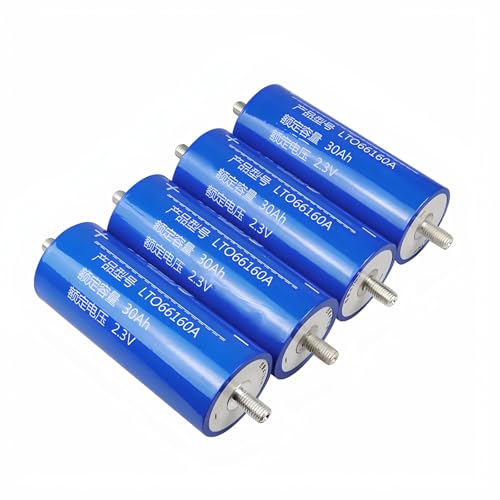
EVE HUAEORNO Yinlong LTO 2.3V 30Ah 10C Grade A Lithium Titanate Battery Cells 12pcs 30000 Cycle 66160
Premium Battery Specifications: 12pcs of 2.3V 30Ah Battery cells produced by Yinlong, manufactured with advanced equipment and strict…
As an affiliate, we earn on qualifying purchases.
As an affiliate, we earn on qualifying purchases.
![Mighty Max Battery MM-H4L Start and Stop Car BCI Group Size 140 Positive Terminal on Left Side [+ -] 12V 50 AH, 80RC, 570 CCA Rechargeable AGM Car Battery](https://m.media-amazon.com/images/I/41Tk24NKjsL._SL500_.jpg)
Mighty Max Battery MM-H4L Start and Stop Car BCI Group Size 140 Positive Terminal on Left Side [+ -] 12V 50 AH, 80RC, 570 CCA Rechargeable AGM Car Battery
Fast Starting Power: This 12V 50Ah 570 CCA delivers strong, steady starts is ready for any weather in…
As an affiliate, we earn on qualifying purchases.
As an affiliate, we earn on qualifying purchases.