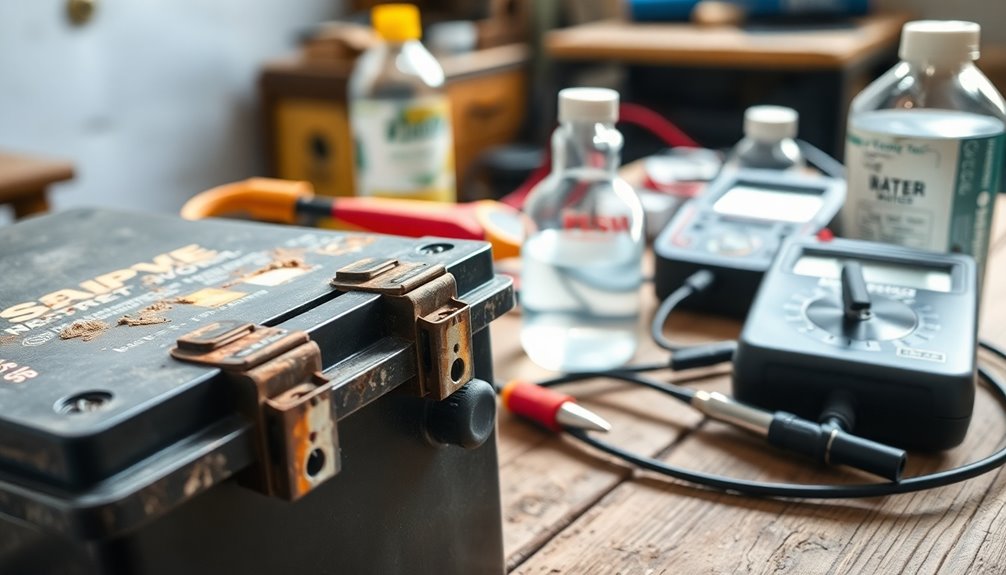
To perform a battery load test at home, start by turning off your vehicle and placing a digital multimeter across the battery terminals to measure its resting voltage—healthy batteries read around 12.6 volts or higher. Then, turn on headlights or accessories for about two minutes to simulate engine load, and check the voltage again. If it drops considerably below 12 volts, your battery may be weak. Keep going to learn the full method and guarantee your battery’s health.
Key Takeaways
- Fully charge the battery and ensure the vehicle is off on a flat surface before testing.
- Use a digital multimeter set to DC voltage to measure the battery’s resting voltage.
- Turn on electrical accessories like headlights for about 2 minutes to apply a load.
- Immediately check the voltage; a drop below 12V indicates possible battery weakness.
- Interpret results: 12.6V+ is healthy; below 12.4V suggests weakening; consider professional testing.
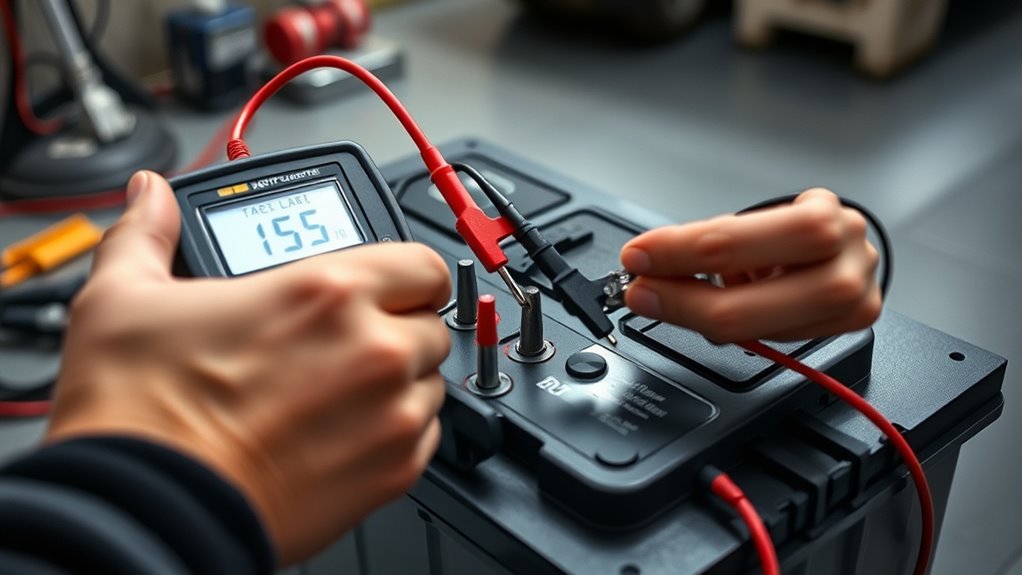
Performing a battery load test at home is a practical way to determine if your vehicle’s battery is still in good shape or needs replacing. To do this effectively, you need to understand the importance of assessing your battery’s health through simple measurements. The key here is voltage measurement, which provides a snapshot of your battery’s current condition. Before starting, ensure your vehicle is turned off and parked on a flat surface. You’ll need a digital multimeter, which is an affordable tool that can accurately measure voltage.
Begin by setting your multimeter to DC voltage, typically denoted as V with a straight line and dotted line underneath. Place the multimeter’s red probe on the positive terminal of the battery and the black probe on the negative terminal. You should see a voltage reading. For a healthy, fully charged battery, the voltage should be around 12.6 volts or slightly higher. If it reads below 12.4 volts, your battery might be undercharged or starting to weaken. A reading under 12.0 volts indicates a substantial loss of charge and suggests that your battery could soon fail, especially under load conditions.
Check your battery voltage; 12.6V or higher indicates a healthy charge, below 12.4V suggests potential weakening.
However, voltage measurement alone isn’t enough to fully evaluate battery health. To perform a basic load test, you can simulate the strain your battery experiences when starting the engine. Turn on the headlights or other electrical accessories for about two minutes to drain a little charge, then immediately check the voltage again. If the voltage drops considerably below 12 volts during this test, your battery might be unable to sustain the load, and it’s likely nearing the end of its lifespan. Conversely, if the voltage stays relatively steady or drops only slightly, your battery is probably still in good shape.
While these simple tests give you a good initial indication, remember that they don’t replace professional testing for a thorough assessment. If your voltage readings are borderline or you notice your vehicle has trouble starting, it’s wise to consult a mechanic for a more detailed load test using specialized equipment. Regularly checking your battery’s health through voltage measurement can help you spot issues early, saving you from unexpected breakdowns. Maintaining a good battery health is vital for reliable vehicle performance, and performing these simple tests at home empowers you to stay ahead of potential problems. Additionally, understanding Net+ Certification Benefits can provide valuable knowledge about maintaining and protecting your tech assets, which is useful if you’re considering upgrading your vehicle’s electrical system or home setup.
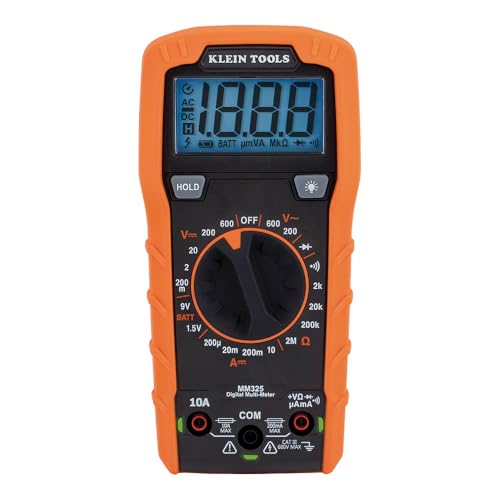
Klein Tools MM325 Multimeter, Digital Manual-Ranging 600V AC/DC Voltage Tester, Tests Batteries, Current, Resistance, Diodes, and Continuity
VERSATILE FUNCTIONALITY: Measures AC/DC voltage up to 600V, 10A DC current, 2MΩ resistance; additional features include continuity, diode…
As an affiliate, we earn on qualifying purchases.
As an affiliate, we earn on qualifying purchases.
Frequently Asked Questions
Can I Perform a Load Test on All Types of Car Batteries?
You can perform a load test on most car batteries, but keep in mind battery compatibility and testing limitations. Not all batteries, like AGM or spiral-wound types, respond well to standard load testing methods. Always check your battery type before testing, and know that some batteries may need specialized equipment. If you’re unsure, consult your vehicle’s manual or a professional to avoid inaccurate results or potential damage.
What Safety Precautions Should I Take During the Test?
You should wear personal protective gear like gloves and safety goggles to protect yourself from acid splashes and sparks. Always handle the battery carefully, avoiding contact with the terminals and ensuring it’s secure to prevent accidental spills. Work in a well-ventilated area, keep a fire extinguisher nearby, and disconnect the negative terminal first. Following these battery handling safety tips helps prevent accidents and keeps you safe during the load test.
How Often Should I Perform a Battery Load Test?
You might think frequent testing is unnecessary, but regular battery maintenance is key for reliable performance. You should perform a battery load test every six months, especially before winter or long trips. Testing frequency helps catch issues early and extends your battery’s lifespan. Don’t wait for a failure—schedule tests regularly to make sure your battery stays in top shape and avoid unexpected breakdowns.
What Signs Indicate a Battery Needs Replacement After Testing?
After testing, you’ll notice warning signs that indicate your battery needs replacement. If your vehicle struggles to start, the headlights appear dimmer, or you experience frequent jump-starts, these are signs of declining battery health. Additionally, a swollen or leaking battery case signals damage, and corrosion around the terminals can hinder performance. Pay attention to these warning signs, and replace your battery promptly to avoid unexpected breakdowns.
Do I Need Special Tools or Equipment to Perform the Test?
Did you know that about 50% of car breakdowns are caused by battery issues? To perform a load test at home, you don’t need specialized equipment, just a multimeter compatible with your vehicle’s battery. Follow simple testing procedure steps: turn off the car, set your multimeter to measure voltage, and check the battery’s voltage. If it drops below 9.6 volts under load, it’s time to replace it.

ANCEL BA101 Car Battery Tester, 12V Digital Automotive Alternator Meter Diagnostic Tool,100-2000 CCA Load Capacity, Charging & Cranking Analyzer for Truck, Boat, RV, Marine Vehicle, and More
Catch Battery Problems Early: Featured in two videos by Project Farm, a popular YouTube channel with millions of…
As an affiliate, we earn on qualifying purchases.
As an affiliate, we earn on qualifying purchases.
Conclusion
Now that you’ve learned how to perform a battery load test at home, you’re almost there. But what if your battery still isn’t performing as it should? The surprising truth might be closer than you think. Don’t rush to replace it just yet—sometimes, a simple test reveals more than you expect. Keep your eyes open and stay curious. Your next step could save you time, money, or even prevent a roadside surprise.
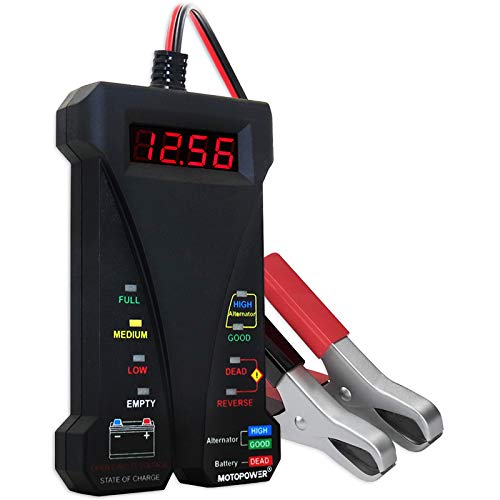
MOTOPOWER MP0514A 12V Digital Car Battery Tester Voltmeter and Charging System Analyzer with LCD Display and LED Indication – Black Rubber Paint
Effortless Operation – Boasting a “plug-and-test” design, there's no need for complex set-up procedures. Just connect it to…
As an affiliate, we earn on qualifying purchases.
As an affiliate, we earn on qualifying purchases.

Nilight – 50004R 120 Pcs/60 Pairs Quick Splice Wire Terminals T-Tap Self-stripping with Nylon Fully Insulated Male Quick Disconnects Kit, 2 Years Warranty
Self-Stripping electrical tap connectors – Nilight self-stripping electrical t-tap connectors makes tapping into an existing wire a quick…
As an affiliate, we earn on qualifying purchases.
As an affiliate, we earn on qualifying purchases.