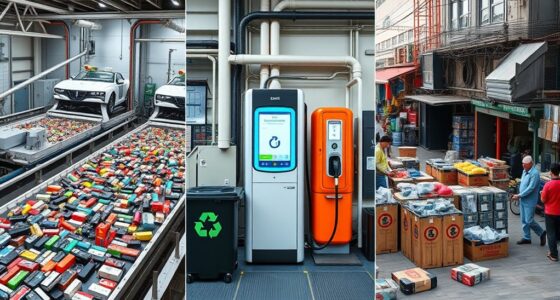

Battery second life involves repurposing used EV batteries for grid storage after their automotive use. This process gives batteries a new purpose, helping store excess energy from solar or wind power while reducing waste. It’s a cost-effective and eco-friendly way to extend battery lifespans and support sustainable energy. If you want to find out how this innovation is transforming energy systems and environmental impact, there’s more to explore ahead.

Get backup power and energy gear delivered free — and shop member deals
- Fast, free delivery on millions of items
- Access to Prime Big Deal Days deals on October 6–7
- Prime Video, Amazon Music and more included
Key Takeaways
- Repurposed EV battery packs can be integrated into large-scale energy storage systems for grid stability.
- Using second-life batteries reduces waste and minimizes environmental impacts of raw material extraction.
- These batteries offer a cost-effective alternative to new storage solutions for renewable energy integration.
- Second-life EV packs help balance supply and demand by storing excess solar and wind energy.
- Recycling and repurposing batteries support sustainable energy practices and promote a circular economy.

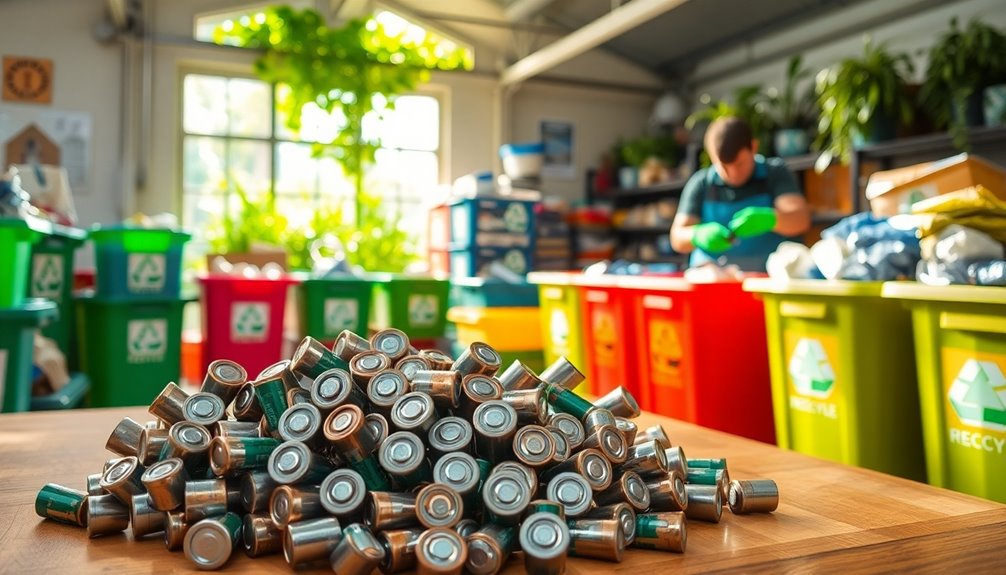
Battery second life refers to the process of repurposing used batteries, especially those from electric vehicles and renewable energy systems, for new applications. When EV batteries reach the end of their primary use, they often still hold a significant amount of capacity, making them suitable for secondary roles. Instead of discarding them, you can give these batteries a second life by integrating them into energy storage systems. This approach not only extends the lifespan of battery components but also reduces waste, aligning with broader goals of battery recycling and sustainable energy.
Battery second life repurposes used EV and renewable energy batteries, reducing waste and supporting sustainable energy solutions.
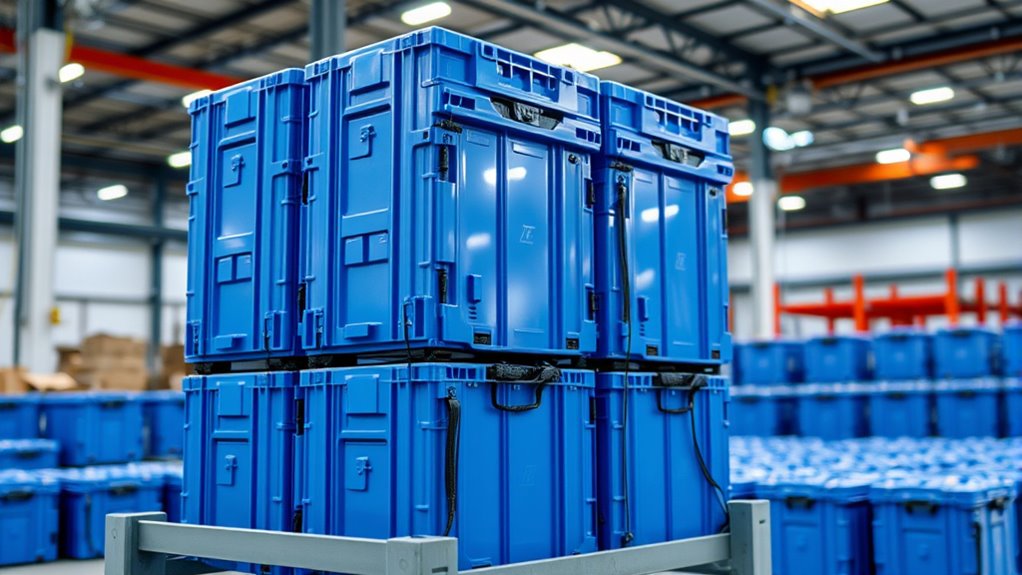
Imagine taking batteries from electric cars that are no longer *ideal* for vehicle use but still have plenty of usable capacity. You can refurbish and assemble these packs into large-scale energy storage solutions. These systems can store excess power generated by solar panels or wind turbines, smoothing out supply fluctuations and providing reliable energy during peak demand. By repurposing EV batteries for grid storage, you help create a more resilient and efficient energy infrastructure. This process supports the shift toward sustainable energy by maximizing the utility of existing resources instead of relying solely on new battery production.
The *shift* from EV to grid storage isn’t just about extending battery life; it’s about creating a circular economy within the energy sector. You play a role in reducing the environmental impact associated with manufacturing new batteries, which involves mining raw materials and processing them under energy-intensive conditions. Repurposing batteries helps you minimize waste and lessen the demand for raw materials, making energy storage more environmentally friendly. It’s a practical way to implement battery recycling, ensuring that valuable materials are recovered and reused rather than ending up in landfills.
Additionally, second-life batteries are increasingly cost-effective for grid applications. Since they’ve already been manufactured and tested, outfitting them for secondary use is often cheaper than producing new batteries from scratch. This affordability accelerates the adoption of renewable energy solutions, helping communities and utilities improve energy management without significant cost increases. As the technology advances, these second-life batteries will become even more efficient and reliable, further boosting their role in sustainable energy strategies.
Furthermore, integrating second-life batteries into energy systems aligns with the principles of sustainable energy and resource conservation, making it an essential part of the modern energy landscape.
Frequently Asked Questions
What Are the Safety Concerns With Repurposed EV Batteries?
You should be aware of safety concerns with repurposed EV batteries, like potential battery fire hazards and chemical leak risks. If not handled properly, batteries can overheat, leading to fires, or leak harmful chemicals that pose health and environmental threats. Proper safety protocols, regular maintenance, and advanced monitoring systems help minimize these risks, ensuring safe and reliable use of second-life batteries in grid storage applications.
How Do Second-Life Batteries Compare Cost-Wise to New Storage Systems?
You’ll find that second-life batteries can cut storage costs by up to 50% compared to new systems, making them a more economical choice. Their cost comparison shows substantial savings, boosting economic viability for large-scale energy storage. This affordability encourages wider adoption, especially for grid applications where budget constraints matter. Overall, repurposed EV batteries offer a smart, cost-effective alternative that helps accelerate cleaner energy solutions while saving you money.
What Is the Typical Lifespan of Repurposed EV Batteries in Grid Storage?
You can expect repurposed EV batteries to last around 5 to 10 years in grid storage, depending on battery degradation and usage patterns. Keep in mind, warranty considerations may limit their lifespan, especially if degradation accelerates. Proper monitoring helps maximize their longevity, but eventually, their capacity diminishes, requiring replacement or refurbishment. Regular assessments guarantee you get the most out of these second-life batteries.
Are There Environmental Benefits to Recycling EV Batteries for Grid Use?
Recycling EV batteries for grid use offers clear environmental benefits, reducing waste, conserving resources, and lowering pollution. You help minimize the environmental impact by extending battery life, decreasing the need for new materials, and preventing hazardous waste from ending up in landfills. Recycling benefits not only the planet but also your community by promoting sustainable energy solutions. Embracing second-life batteries supports a cleaner, greener future for everyone.
How Do Regulations Impact the Deployment of Second-Life Battery Systems?
Regulations substantially impact your deployment of second-life battery systems by introducing regulatory hurdles and licensing requirements. You need to navigate local, state, and federal rules, which can delay or complicate projects. Securing the necessary permits and ensuring compliance with safety standards can be time-consuming and costly. Staying informed and working with regulators helps you streamline the process, making it easier to implement grid storage solutions using repurposed EV batteries.
Conclusion
Imagine giving new life to a tired battery, turning it into a powerful guardian of the grid. By repurposing EV packs, you’re not just recycling; you’re fueling a brighter, more resilient future. Every recycled battery becomes a beacon of hope, shining a light on sustainable innovation. Embrace this second life, and watch as your actions ripple outward, transforming waste into wonder and steering us toward a cleaner, brighter tomorrow.
Fall Picks
fall essentials
As an affiliate, we earn on qualifying purchases.