TL;DR
BYU-Hawaii is launching a second phase of its solar project to make the campus 100% solar-powered. The project includes new ground-mounted arrays, solar canopies, and energy storage, with completion expected soon.
Brigham Young University-Hawaii is advancing its renewable energy efforts by launching the second phase of its solar project, aiming to power the entire campus with 100% solar energy. This expansion will also extend renewable services to the adjacent Polynesian Cultural Center and the Laie Hawaii Temple, marking a significant step toward campus sustainability and energy independence.
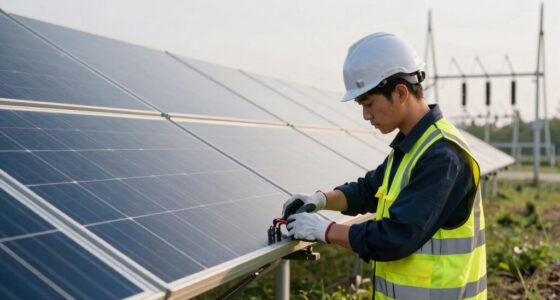
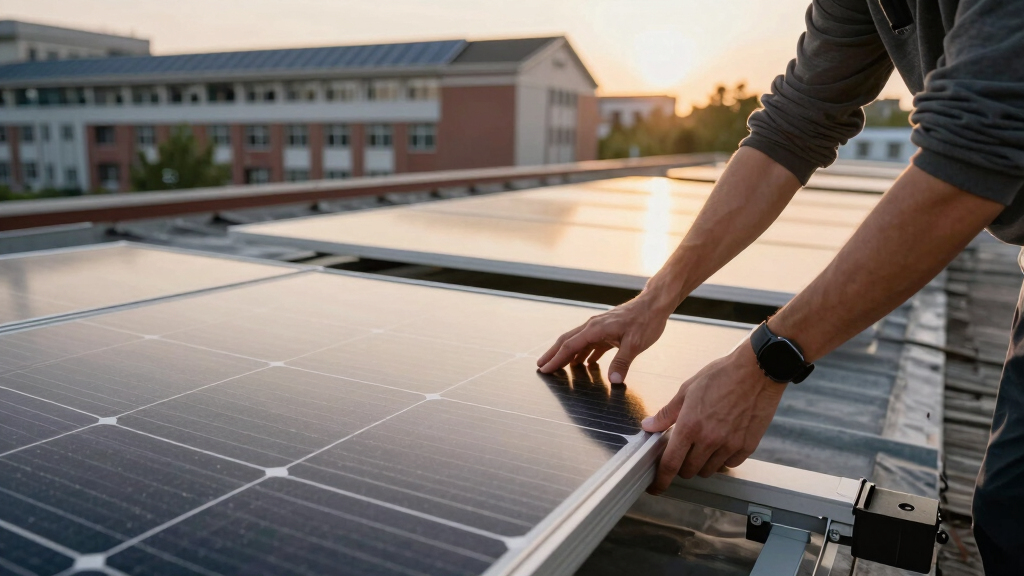
The second phase of BYU-Hawaii’s solar initiative includes the installation of new ground-mount solar arrays southwest of the campus and additional solar canopies over a parking lot near the Polynesian Cultural Center. An energy storage system will also be added, capable of providing up to five days of emergency backup for critical services. The project builds on the university’s 2022 installations, which included rooftop solar, solar carports, and 7 MWh of storage, meeting 39% of the campus energy needs. The new phase is designed to cover the remaining demand, completing the university’s transition to fully renewable energy.
According to Solar Power World, university officials confirmed that the project is currently in development, with expected completion in the near future. The initiative aligns with broader sustainability goals and regional renewable energy commitments, emphasizing the university’s leadership in clean energy adoption.
Implications of Achieving 100% Solar Power at BYU-Hawaii
This project signifies a major milestone in campus sustainability, reducing reliance on fossil fuels and lowering greenhouse gas emissions. It sets a precedent for other educational institutions in Hawaii and beyond, demonstrating the viability of large-scale solar energy integration. The extension of renewable services to nearby facilities enhances regional energy resilience and promotes clean energy adoption in the local community.

ECO-WORTHY Upgraded Solar Ground Mount Adjustable Multi-Pieces Solar Panel Mounting Brackets Kit System for 4pcs 200W/3pcs 300W/2pcs 400W Solar Panels for Ground,Open Space, Cabins and Backyard Sheds
- Large Support for Solar Panels: Supports big solar panels up to 38.6 inches wide
- Enhanced Stability: Includes upgraded support rod for 160lbs capacity
- Adjustable Angle Design: Set between 30 and 60 degrees for optimal sun exposure
As an affiliate, we earn on qualifying purchases.
As an affiliate, we earn on qualifying purchases.
Background of BYU-Hawaii’s Renewable Energy Initiatives
In 2022, BYU-Hawaii installed three rooftop solar projects, five solar carports, and a 7 MWh energy storage system, which collectively supplied 39% of the campus’s energy needs. The current expansion aims to complete the transition to 100% renewable energy, building on these initial efforts. The region’s commitment to renewable energy and Hawaii’s overall goals for sustainability have driven the university’s investments in solar infrastructure.
“The second phase of our solar project will enable us to meet 100% of our energy needs through renewable sources, setting a new standard for campus sustainability.”
— an anonymous university official
Remaining Challenges and Uncertainties in Project Completion
Details about the exact timeline for project completion are still emerging. It is not yet clear how quickly the new installations will be operational or whether there are any unforeseen technical or logistical issues that could delay the project. Additionally, the precise capacity of the energy storage system and its integration with existing infrastructure are still being finalized.
Next Steps Toward Full Solar Power at BYU-Hawaii
The university is expected to complete the installation of the new solar arrays and canopies in the coming months. Once operational, the system will be monitored to ensure it meets energy demand and backup requirements. Future updates will likely include performance assessments and potential expansion of renewable infrastructure to other campus facilities or regional sites.
Key Questions
When will the second phase of the solar project be completed?
While a precise date has not been announced, university officials expect the project to be completed in the near future, likely within the next few months.
How much of the campus’s energy will the new system provide?
The new phase aims to cover the remaining energy demand, enabling the campus to operate entirely on solar power.
Will the project extend renewable energy to other nearby facilities?
Yes, the project includes extending renewable energy services to the Polynesian Cultural Center and the Laie Hawaii Temple.
What is the capacity of the energy storage system?
The storage system is designed to provide up to five days of emergency backup for critical services, though exact capacity details are still being finalized.
Are there any potential delays or challenges expected?
Details about potential delays are not yet clear; ongoing assessments will determine if unforeseen issues arise during installation or commissioning.
Source: Solar Power World