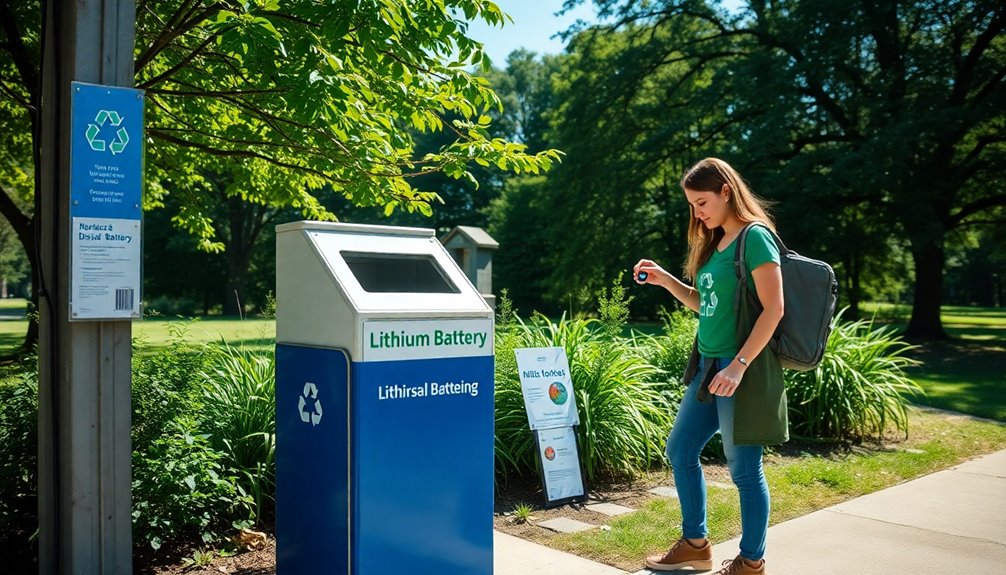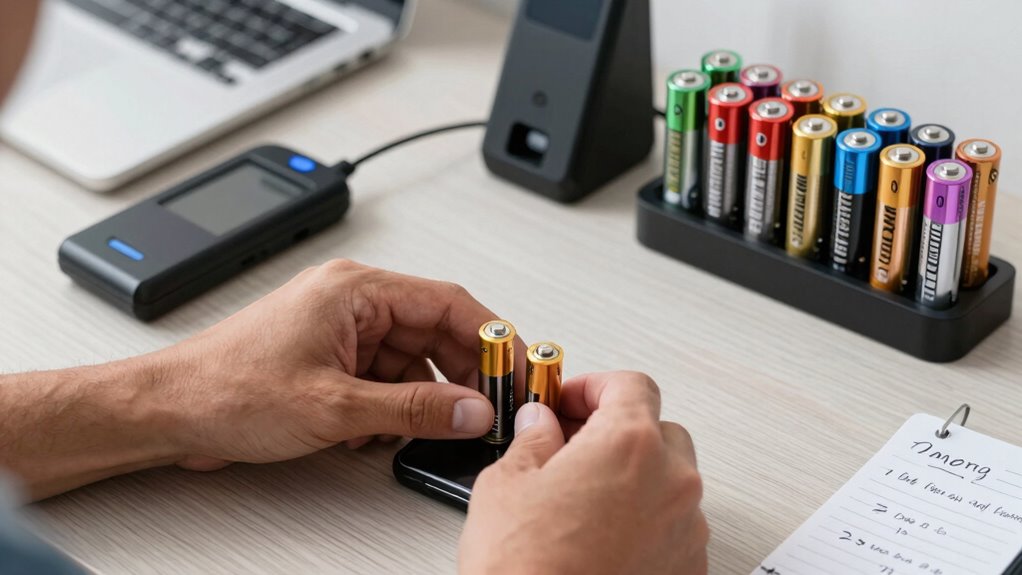
To help new team members manage their energy effectively, teach them to set clear boundaries and prioritize high-impact tasks. Encourage regular breaks and physical movement to reset focus and prevent fatigue. Stress the importance of maintaining healthy routines outside work, like proper sleep and nutrition. Cultivate self-awareness so they recognize when to adjust tasks or take breaks. By adopting these habits, they’ll stay energized and productive—keep exploring to uncover more tips for sustainable success.

Get backup power and energy gear delivered free with Prime
- Fast, free delivery on millions of items
- Prime Video, Amazon Music and more included
- Member-only deals all year
Key Takeaways
- Encourage regular breaks and physical movement to prevent fatigue and maintain energy levels throughout the day.
- Teach prioritization skills to focus on high-impact tasks and avoid burnout.
- Promote healthy routines outside work, including adequate sleep, balanced nutrition, and hydration.
- Help team members recognize energy dips and adjust tasks or take quick recharge breaks accordingly.
- Foster a mindset of working smarter by adopting energy-conserving habits and mindfulness practices.
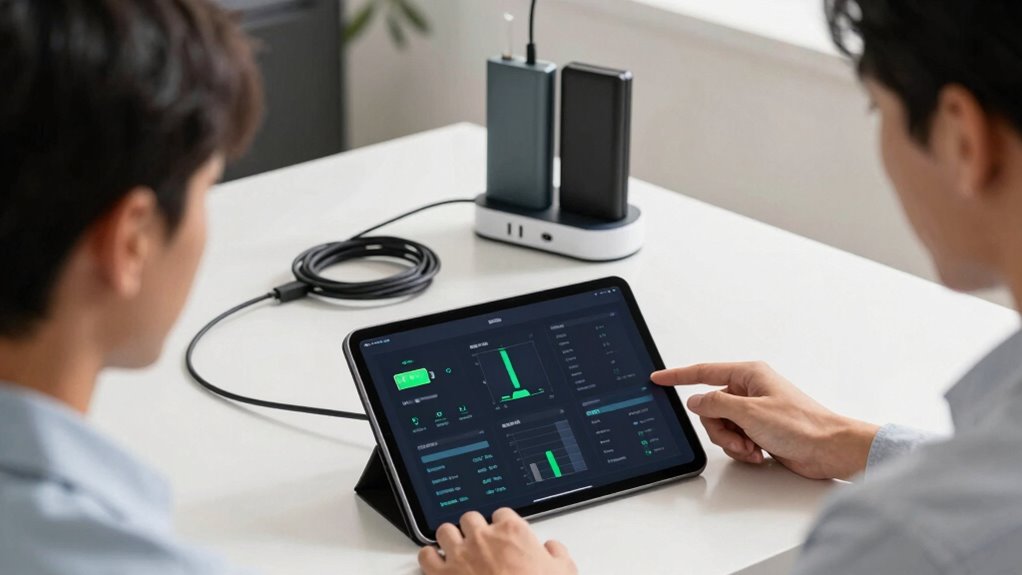
Starting a new role can be overwhelming, but developing good battery habits can help you stay energized and focused throughout the day. When you prioritize energy management, you can maintain your productivity without feeling drained. The key is to adopt simple, effective habits that support your mental and physical stamina, especially during busy workdays. These productivity tips aren’t just about working harder—they’re about working smarter by conserving and replenishing your energy.
Prioritize energy management with simple habits to stay energized, focused, and productive—working smarter, not harder.
One of the most essential habits is setting boundaries around your workload. Know your limits and learn to say no when necessary. Overcommitting drains your energy quickly, leading to burnout and decreased productivity. Instead, focus on prioritizing tasks that align with your goals and have the most impact. Break larger projects into smaller, manageable steps so you don’t feel overwhelmed. This approach allows you to sustain your energy over longer periods and keeps your motivation high.
Another crucial habit is taking regular breaks. Short, frequent pauses—like a five-minute stretch or a quick walk—can substantially boost your energy levels and mental clarity. These moments of pause help reset your focus, prevent fatigue, and promote better energy management. During breaks, step away from screens and engage in physical movement or deep breathing exercises. This refreshes your mind and body, making you more productive when you return to work. Incorporating mindfulness practices can further enhance your awareness of your energy levels and help you stay centered throughout the day.
Maintaining a healthy routine outside of work also plays a major role in your energy levels. Prioritize enough sleep, balanced nutrition, and regular physical activity. When your body is well-rested and fueled properly, your capacity to concentrate and perform at your best increases. Avoid excessive caffeine or sugar, which can cause energy crashes later. Instead, opt for nutritious snacks and stay hydrated to keep your energy steady throughout the day.
Lastly, cultivating a mindset of mindfulness and self-awareness helps you recognize when your energy dips and allows you to adjust accordingly. Whether that means shifting tasks, taking a quick break, or practicing deep breathing, tuning into your body’s signals ensures you’re not pushing yourself past your limits. Incorporating these habits into your daily routine will help you manage your energy more effectively, leading to sustained productivity and a healthier work experience. Remember, good energy management isn’t just about getting through the day—it’s about thriving during it. Developing an understanding of energy management can significantly enhance your overall work performance and well-being.
Products Worth Considering

Jackery Explorer 2000 v2 Portable Power Station, 2042Wh

DJI Osmo Mobile 8 Gimbal with Mic Mini Transmitter, Infinity Black

LG UltraGear 27-Inch QHD OLED Gaming Monitor, 240Hz, 0.03ms, G-SYNC Compatible, FreeSync Premium Pro, HDMI 2.1
As an affiliate, we earn on qualifying purchases.
Frequently Asked Questions
How Often Should Team Members Check Their Battery Status?
You should check your battery status regularly, ideally once a week, to guarantee peak power management. This habit helps you spot issues early and maintain battery calibration, preventing unexpected shutdowns. Regular checks allow you to adjust your usage habits and keep the battery’s performance consistent. By staying vigilant, you extend your device’s lifespan and avoid surprises, making power management smoother and more reliable for your daily tasks.
What Are Signs of a Failing Battery?
Signs of a failing battery include rapid power drain, slow charging, and frequent shutdowns even with a full charge. If your battery’s performance declines, it’s time to focus on battery maintenance and power management. Pay attention to unusual heat or swelling as well. Regularly check for these signs, and replace the battery when necessary, to keep devices running smoothly and extend their lifespan.
Can Battery Habits Vary Between Different Devices?
Yes, battery habits can vary between different devices. You should follow device-specific calibration and manufacturer recommendations to optimize battery health. For example, some gadgets need full charge cycles, while others perform best with partial charges. Always check your device’s manual or official guidelines, as each device’s battery chemistry and design influence how you should care for it. Adjusting your habits accordingly ensures longer battery life and better performance.
How Do Environmental Factors Affect Battery Health?
Environmental factors profoundly impact battery health, affecting your device’s longevity and performance. Extreme temperatures, humidity, and exposure to sunlight can accelerate battery wear, causing it to degrade faster. To preserve battery longevity, avoid leaving devices in hot or cold environments, protect them from moisture, and store them in cool, dry places. By understanding environmental impacts, you help extend your battery’s life and maintain ideal device functionality.
Are There Any Quick Tips to Extend Battery Life?
To extend battery life quickly, focus on proper power management and regular battery calibration. Avoid letting your device completely drain before recharging, and try to keep the battery between 20% and 80% for maximum health. Use power-saving modes when possible, and recalibrate your battery every few months to guarantee accurate readings. These habits help maintain battery efficiency and prolong overall lifespan.
Conclusion
By adopting these battery habits, you’ll keep your energy levels high and your productivity charged. Think of your habits as the fuel that keeps your engine running smoothly—without them, you risk sputtering out before reaching your goals. Remember, consistency is your best friend in maintaining a powerful work rhythm. When you nurture these habits, you’ll find yourself shining brighter each day, turning your workday into a well-oiled machine ready to conquer any challenge.