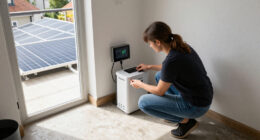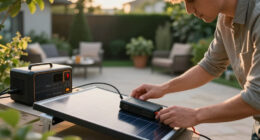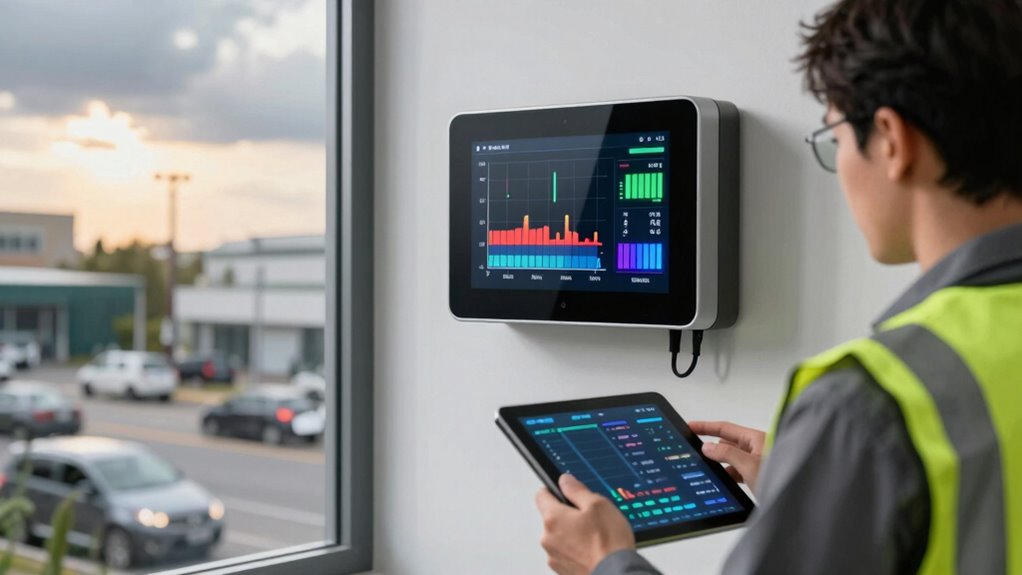
Battery monitoring helps you stay ahead of seasonal demand changes by providing real-time data on voltage, internal resistance, and environmental factors. It allows you to detect early signs of wear, preventing unexpected failures during peak times. Monitoring systems also help you adjust temperature controls and plan maintenance proactively, ensuring ideal performance and longer battery life. By understanding how external conditions impact batteries, you can make smarter decisions to protect your investment—discover more ways monitoring supports your needs.

Get backup power and energy gear delivered free — and shop member deals
- Fast, free delivery on millions of items
- Access to Prime Big Deal Days deals on October 6–7
- Prime Video, Amazon Music and more included
Key Takeaways
- Detects early signs of battery wear to ensure reliable performance during peak seasonal demands.
- Provides real-time data to adjust maintenance schedules proactively, preventing unexpected failures.
- Monitors environmental factors like temperature to optimize battery conditions in changing weather.
- Supports planning for seasonal demand fluctuations, reducing downtime and operational costs.
- Extends battery lifespan by identifying issues early, safeguarding investments during high-stress periods.
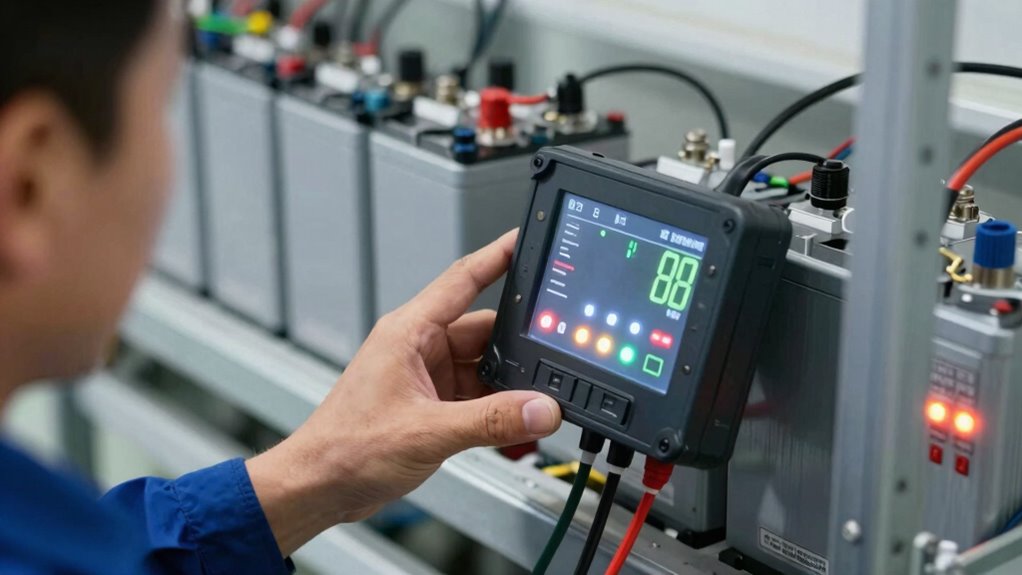
As seasonal demand fluctuates, maintaining dependable battery performance becomes increasingly critical. During peak seasons, such as winter or summer, your batteries are pushed to their limits, and any failure can disrupt operations or compromise safety. That’s where effective battery monitoring plays a crucial role. It allows you to keep a close eye on key factors like battery lifespan and charging efficiency, ensuring you catch issues early before they escalate into costly problems. By actively tracking these aspects, you can extend the overall life of your batteries and enhance their performance, even under stressful seasonal conditions.
Monitoring helps you understand how your batteries are aging over time. As batteries approach the end of their lifespan, their ability to hold charge diminishes, which can cause unexpected outages or decreased efficiency. With real-time data, you can identify signs of wear early—such as declining voltage levels or increased internal resistance—and plan timely replacements. This proactive approach minimizes downtime and prevents sudden failures that are often more expensive and disruptive during busy seasons. Plus, knowing your batteries’ health allows you to schedule maintenance during off-peak times, avoiding interruptions when demand is highest. Additionally, incorporating battery monitoring systems can help you gather precise data to support more informed maintenance decisions. Understanding seasonal demand patterns can further optimize your battery management strategies, especially when combined with insights into environmental factors.
Monitoring battery health early prevents costly failures and downtime during peak seasons.
Environmental factors like temperature swings can significantly impact battery operation, and monitoring systems provide you with insights into how external conditions influence performance. This allows you to adjust usage or implement protective measures accordingly. For example, if a battery’s temperature drops too low, its capacity can diminish, leading to potential failures. With continuous monitoring, you can activate heating or cooling systems to maintain ideal conditions and safeguard your investment. Moreover, understanding the impact of environmental conditions helps in designing better strategies for seasonal adjustments, ensuring your batteries remain reliable throughout fluctuating weather patterns. Additionally, accurate data from these systems enables more precise forecasting of potential issues, further enhancing your preparedness.
As an affiliate, we earn on qualifying purchases.
Frequently Asked Questions
How Often Should Battery Monitoring Systems Be Recalibrated?
You should recalibrate your battery monitoring system at least once a year to guarantee accurate readings, but calibration frequency may vary depending on usage and environmental conditions. Regular recalibration helps maintain ideal battery lifespan by identifying issues early. If your system experiences temperature fluctuations or heavy seasonal demand changes, consider recalibrating more often—every six months—to keep performance consistent and extend your battery’s effective life.
What Are the Signs of Battery Degradation During Seasonal Changes?
You’ll notice signs of battery degradation during seasonal changes, like reduced battery lifespan and fewer charge cycles. If your battery drains faster or struggles to hold a charge, it’s a clear indicator. Temperature fluctuations can cause wear, leading to decreased performance. Keep an eye on the charge cycles; if they decline prematurely, it’s time to contemplate maintenance or replacement to guarantee reliable operation during changing seasons.
Can Battery Monitoring Prevent Unexpected Power Failures?
Battery monitoring technology keeps a close eye on your battery’s health, alerting you to issues before they become critical. By tracking the battery lifespan and performance trends, you avoid getting caught off guard. This proactive approach helps prevent unexpected power failures, especially during seasonal demand spikes. Fundamentally, monitoring technology acts as your battery’s best watchdog, ensuring reliable power when you need it most.
Is There a Difference in Monitoring Needs for Different Battery Types?
Yes, your monitoring needs vary based on battery chemistry. For example, lead-acid batteries need regular voltage and electrolyte level checks, while lithium-ion batteries require monitoring of temperature and state of charge. Adjust your monitoring protocols accordingly to guarantee peak performance and safety. Different battery types have unique characteristics, so tailoring your approach helps prevent failures, extend lifespan, and ensure reliable power during seasonal demand fluctuations.
How Does Temperature Affect Battery Monitoring Accuracy?
Temperature sensitivity can subtly influence your battery monitoring accuracy, making it seem a bit off during seasonal shifts. To keep things running smoothly, you should adjust calibration frequency more often in extreme weather. This way, you guarantee your readings stay precise, avoiding surprises. Staying attentive to temperature effects helps you maintain reliable battery performance year-round, especially when seasonal changes bring unpredictable weather swings.
Conclusion
As the seasons shift like the tides, battery monitoring becomes your lighthouse in the fog. It guides you through unpredictable demand swings, ensuring your power stays steady and reliable. With vigilant oversight, you prevent hidden storms from brewing beneath the surface. Think of it as your silent guardian, always watching, always ready. Embrace this tool, and let it illuminate your path to seamless, season-proof energy management—keeping your operations humming smoothly, no matter the weather outside.
Fall Picks
fall essentials
As an affiliate, we earn on qualifying purchases.