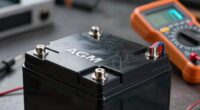
The best time to use a battery maintainer instead of a charger is when you’re storing your vehicle for an extended period. It keeps your battery topped off, preventing overcharging and deterioration. This guarantees your battery stays healthy, especially during off-seasons when your vehicle sits idle. Plus, it’s hassle-free—just plug it in and let it work automatically. If you want to know more about how to get the most out of your battery maintenance, keep exploring.
Open a free Amazon Business account
Business pricing, bulk buying and tax-exempt orders.
As an affiliate, we earn on qualifying purchases.
Key Takeaways
- Use a battery maintainer during long periods of inactivity to keep your battery topped off without risk of overcharging.
- Opt for a maintainer when storing seasonal vehicles, like motorcycles or boats, to prevent battery deterioration.
- Choose a maintainer for regular use if you have a busy schedule, as it operates automatically without supervision.
- Utilize a maintainer to reduce electricity costs and extend battery lifespan, unlike frequent charging that may lead to overuse.
- Employ a maintainer when dealing with various battery types to ensure optimal care and compatibility across different applications.
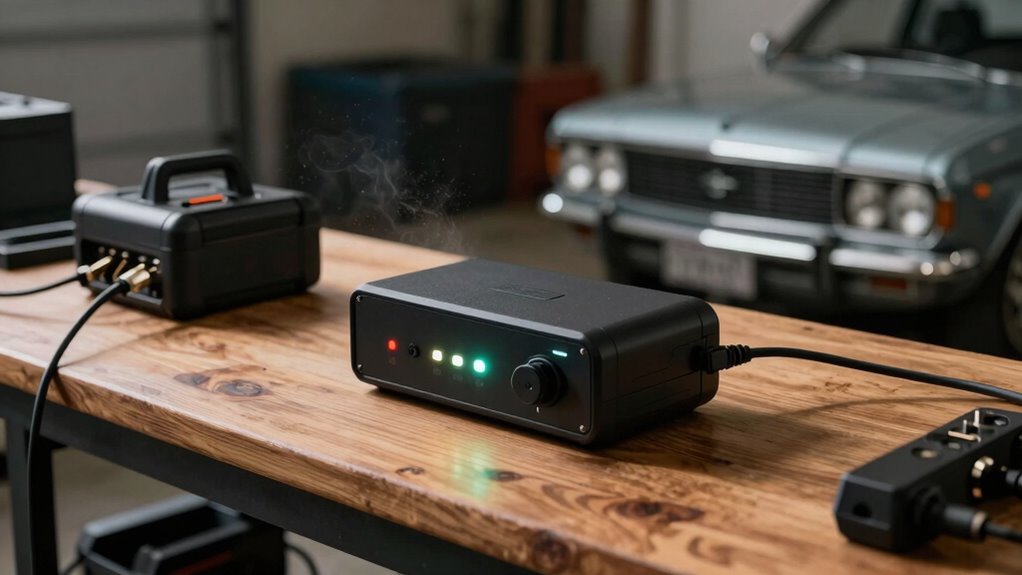
When your vehicle sits unused for a while, deciding between a battery maintainer and a charger can be important for keeping your battery in peak condition. If you’re storing your vehicle during the off-season or simply won’t be driving it for an extended period, a battery maintainer is often the better choice. This device is designed to enhance battery longevity by providing a low-level charge that keeps your battery topped off without overcharging it.
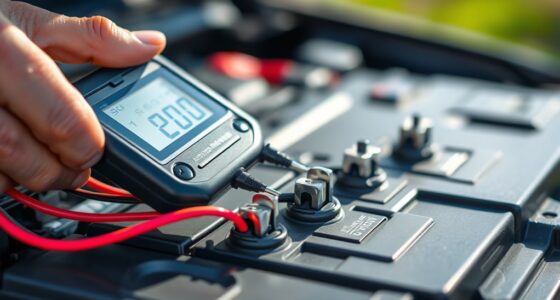
One of the most significant maintenance tips to reflect on is how a battery maintainer operates. It goes through charging cycles that regulate voltage, guaranteeing that your battery remains at an ideal level. This is essential because a battery that’s left to sit can slowly lose its charge, leading to sulfation and reduced lifespan. By using a maintainer, you’re effectively preventing this deterioration, which is especially important during seasonal storage.
A battery maintainer regulates voltage through charging cycles, preventing sulfation and extending battery life during storage.
User convenience plays a considerable role as well. A battery maintainer is typically simpler to use than a standard charger. You can plug it in and leave it connected without worrying about monitoring the charging process. This means less hassle for you, especially when you’re busy with other tasks. The automatic shut-off feature found in most maintainers also adds to this convenience, as it stops charging once the battery is full.
Cost efficiency is another factor to keep in mind. While a charger may seem like a more straightforward solution, frequent use can lead to higher electricity bills and potential battery replacement costs. By investing in a battery maintainer, you’ll save money in the long run. Plus, they often come with features like smart technology that adapts to your battery’s needs, making them a more economical choice over time.
Lastly, think about equipment compatibility. Most battery maintainers are versatile and can work with various battery types, including lead-acid and lithium-ion. This means you won’t have to worry about whether your maintainer will work with your specific vehicle or equipment. Choosing the right device guarantees that you’re taking the best possible care of your battery, ultimately extending its life and keeping your vehicle ready for action whenever you need it.
As an affiliate, we earn on qualifying purchases.
Frequently Asked Questions
Can I Use a Battery Maintainer on All Battery Types?
You can use a battery maintainer on many battery types, but it works best with lead acid and lithium batteries. Maintainers keep batteries topped off and prevent sulfation in lead acid or over-discharging in lithium. The benefits include extending battery life and ensuring your vehicle’s ready to go when you are. Just make sure the maintainer is compatible with your specific battery type to avoid any issues.
How Long Can I Leave a Maintainer Connected?
You can leave a battery maintainer connected for as long as you need, giving your battery the TLC it deserves. This consistent care enhances battery lifespan and reduces maintenance frequency, ensuring your vehicle’s ready whenever you are. While it’s designed for prolonged use, always check the manufacturer’s recommendations for your specific battery type. Remember, a little love goes a long way in keeping your battery happy and healthy!
Will a Maintainer Work in Extreme Temperatures?
Yes, a maintainer can work in extreme temperatures, but you need to be cautious. Temperature effects can impact its efficiency, especially in very hot or cold conditions. If the temperature is too far from the ideal range, it might not maintain the battery as effectively. Always check your maintainer’s specifications, and consider moving it to a more temperate environment if you’re facing extreme conditions. This’ll help guarantee peak performance.
Can a Maintainer Damage My Battery?
No, a maintainer won’t damage your battery when used correctly. In fact, studies show that using a battery maintainer can extend your battery lifespan by up to 30%. These devices keep your battery at ideal charge levels without overloading it. For best results, follow maintenance tips like ensuring proper ventilation and checking connections regularly. By doing this, you maximize your battery’s efficiency and longevity, keeping your vehicle ready whenever you need it.
Is a Battery Maintainer Necessary for Seasonal Vehicles?
Yes, a battery maintainer is necessary for seasonal vehicles. During periods of seasonal usage, batteries can discharge, leading to decreased vehicle longevity. By using a maintainer, you keep the battery charged without overloading it, ensuring it’s ready when you need it. This simple tool helps prevent sulfation and extends battery life, saving you from potential headaches when it’s time to hit the road again. It’s a smart investment for any seasonal vehicle owner.
Conclusion
To sum up, using a battery maintainer instead of a charger is smart for long-term battery health, especially for vehicles you don’t use often. For example, if you have a classic car parked in your garage, a maintainer keeps the battery topped off without overcharging. This way, when you’re ready to hit the road, your battery’s ready too—no surprises. So, next time you think about charging, consider maintaining for the best performance!
NFL season / tailgating Picks
team gear
As an affiliate, we earn on qualifying purchases.