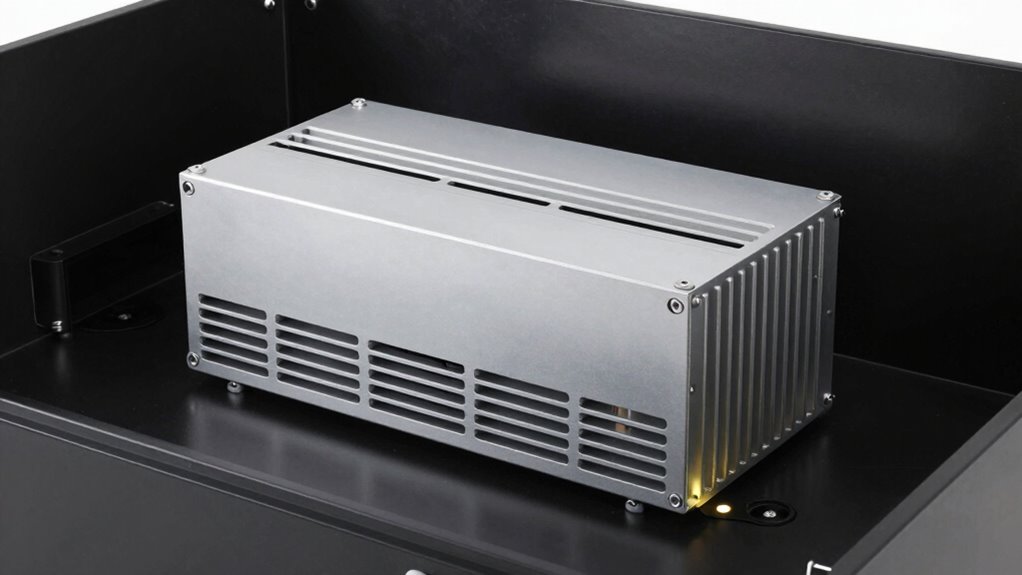

48V LiFePO4 systems run cooler because their chemistry naturally produces less heat and is easier to thermally manage, ensuring safer and more efficient operation. When operated within recommended limits, they generate minimal heat, reducing overheating risks and extending battery life. However, excessive loads, poor ventilation, or pushing beyond capacity can cause them to overheat. If you want to understand how to keep your system running at its best, keep exploring these factors.

Get backup power and energy gear delivered free — and shop member deals
- Fast, free delivery on millions of items
- Access to Prime Big Deal Days deals on October 6–7
- Prime Video, Amazon Music and more included
Key Takeaways
- LiFePO4 chemistry inherently produces less heat, promoting cooler operation under normal conditions.
- Proper thermal management, including ventilation and heat sinks, keeps systems running cooler.
- Excessive current loads or heavy usage without adequate cooling increase heat generation.
- Poor ventilation or confined spaces trap heat, causing system temperatures to rise.
- When thermal management is inadequate, heat accumulation accelerates aging and reduces efficiency.
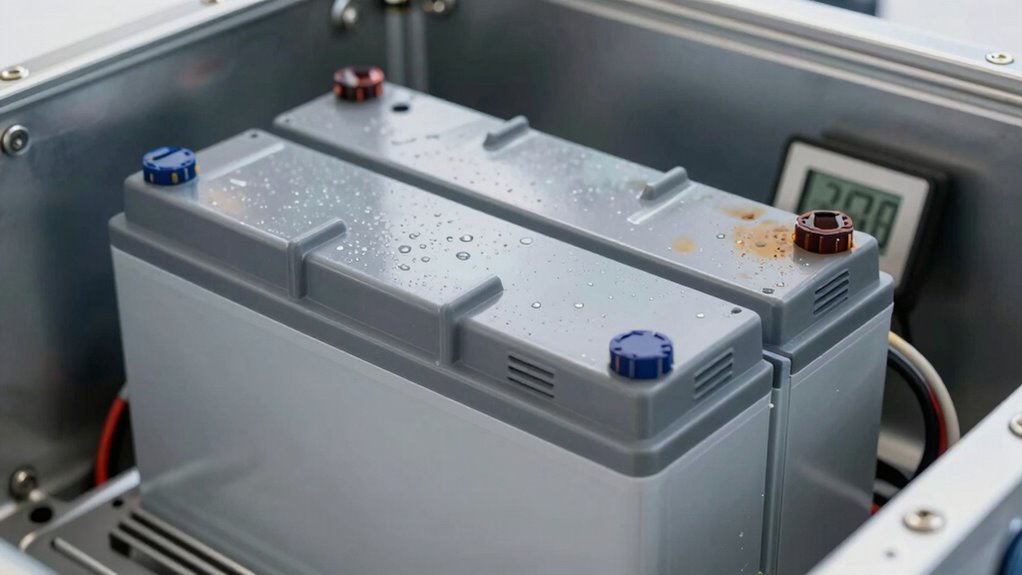
When it comes to powering your systems efficiently, 48V LiFePO4 batteries stand out because they run cooler than traditional lithium-ion options. This cooler operation isn’t just a bonus; it directly impacts thermal management, which is vital for maintaining battery health and overall system performance. Because these batteries generate less heat during use, you’re less likely to encounter overheating issues that can shorten lifespan or cause safety concerns. Cooler batteries also tend to be more stable, reducing the need for complex cooling systems and allowing for more compact or lightweight designs. By effectively managing temperature, you optimize efficiency, ensuring the batteries deliver maximum power with minimal energy loss.
The key to this cooler operation lies in the chemistry of LiFePO4 cells. They inherently produce less heat because of their stable chemical structure, which resists thermal runaway and reduces energy dissipation as heat. This means you benefit from more consistent performance over time and less downtime for cooling or maintenance. When you prioritize thermal management in your design, you can extend the lifespan of your batteries and improve overall efficiency. Proper airflow, adequate spacing, and heat sinks become less critical, simplifying system architecture and reducing costs. This efficiency optimization allows your system to operate at higher loads without risking overheating, ensuring reliable performance even during prolonged use.
However, 48V LiFePO4 systems don’t always stay cool. Under heavy load conditions or if the batteries are poorly managed, they can heat up considerably. For example, if you push the batteries beyond their recommended current limits, they may generate excessive heat, compromising thermal management efforts. Similarly, inadequate ventilation or poor placement within a confined space can trap heat, leading to higher operating temperatures. When these situations occur, the batteries’ efficiency drops because higher temperatures increase internal resistance, cause voltage drops, and accelerate aging. In such cases, you’ll notice reduced runtime and potential safety hazards, making it essential to monitor and manage thermal conditions actively.
Additionally, using proper thermal management techniques can help mitigate these risks and keep your systems running cooler and more reliably.
48V LiFePO4 battery thermal management system
As an affiliate, we earn on qualifying purchases.
As an affiliate, we earn on qualifying purchases.
Frequently Asked Questions
How Does Ambient Temperature Affect Lifepo4 System Cooling?
Ambient influence plays a big role in your LiFePO4 system’s cooling. When temperatures fluctuate or rise, your system’s cooling needs increase to prevent overheating. Cooler ambient temperatures help your batteries run efficiently and stay cooler naturally, reducing the need for active cooling. Conversely, high or unstable temperatures can cause your system to heat up more quickly, requiring additional cooling measures to maintain safe and peak operation.
Can Improper Wiring Cause Lifepo4 System Overheating?
Improper wiring can definitely cause your LiFePO4 system to overheat. When wiring integrity is compromised or installation errors occur, it may lead to increased resistance, causing components to heat up excessively. Always guarantee correct, secure wiring, and double-check connections to prevent overheating. Poor wiring not only risks damage but also reduces efficiency and safety, so taking the time to install properly is vital for peak system performance.
What Role Does Battery Age Play in Temperature Regulation?
Did you know that battery degradation accelerates as much as 20% after five years? As your LiFePO4 battery ages, thermal management becomes more critical because degradation affects heat dissipation. Over time, decreased capacity can lead to uneven temperature regulation, increasing overheating risks. Regular monitoring of battery health helps you identify aging issues early, ensuring efficient thermal management and prolonging system lifespan.
Are There Specific Charging Habits That Impact System Temperature?
Your charging habits directly impact system temperature. Fast charging increases heat, so sticking to moderate charging speeds helps keep your 48V LiFePO4 system cooler. Overcharging or charging beyond its battery capacity can also cause overheating. To maintain ideal temperature, charge gradually, avoid exceeding recommended capacity, and monitor the system during rapid charge cycles. Consistent, controlled charging habits ensure your battery stays cool and performs efficiently.
How Do Different Brands Compare in Cooling Efficiency?
Some brands blow others out of the water in cooling efficiency thanks to their top-tier reputation and cutting-edge cooling technology. You’ll notice that premium brands invest heavily in advanced heat dissipation, making their systems run cooler and more reliable. Meanwhile, lesser-known brands might struggle with overheating issues because they skimp on cooling tech. So, when choosing, go for those with stellar reputation and innovative cooling solutions for the coolest, most efficient performance.
Conclusion
So, next time you glance at your 48V LiFePO4 system, imagine it basking in a gentle, steady glow, its components quietly humming without breaking a sweat. When it runs cooler, it’s like a calm lake at dawn—smooth, peaceful, and efficient. But remember, if it starts to heat up like midday sun, you’ll want to check for issues. Keep it cool, keep it running smoothly, and enjoy the quiet power flowing beneath your fingertips.
Fall Picks
fall essentials
As an affiliate, we earn on qualifying purchases.